The sun retreats; the tactical window for recovery opens. You are not just eating dinner; you are conducting a bio-chemical overhaul of your central nervous system. Welcome to the high-stakes theater of Pumpkin Seed Night. While the world settles for mindless snacking, the culinary auditor demands a precision load of zinc, magnesium, and tryptophan. We are targeting the restorative phase of the circadian rhythm with a dish that balances the earthy crunch of pepitas against a velvet backdrop of roasted root vegetables and a sharp, citrus-forward emulsion. This is about more than satiety; it is about the infrastructure of sleep and the cellular repair that only occurs when your mineral stores are topped off. Imagine the snap of a perfectly toasted seed, the smoky aroma of cold-pressed oils hitting a hot pan, and the piquant bite of fresh herbs. We are building a fortress of nutrition, one gram at a time. This is your operational briefing for the most important meal of the day.
THE DATA MATRIX
| Metric | Specification |
|---|---|
| Prep Time | 15 Minutes |
| Execution Time | 25 Minutes |
| Yield | 2 Servings |
| Complexity (1-10) | 4 |
| Estimated Cost per Serving | $4.50 USD |
THE GATHERS
Ingredient Protocol:
- 200g / 1.5 cups Raw Organic Pumpkin Seeds (Pepitas)
- 500g / 3 cups Sweet Potato, cubed to 1cm
- 30ml / 2 tbsp Extra Virgin Olive Oil
- 5ml / 1 tsp Smoked Paprika
- 2g / 0.5 tsp Flaked Sea Salt
- 15ml / 1 tbsp Maple Syrup (Grade A)
- 10ml / 2 tsp Apple Cider Vinegar
- 1 clove Fresh Garlic, microplaned
- 30g / 0.25 cup Fresh Flat-Leaf Parsley, minced
Section A: Ingredient Quality Audit:
If your pumpkin seeds arrive with a dull, greyish hue or a dusty texture, they are likely oxidized. To fix this, perform a quick rinse and pat them bone-dry before roasting; this removes bitter surface dust. If your sweet potatoes feel spongy, they have lost turgor pressure. Soak the cubes in ice water for ten minutes to rehydrate the cellular walls before patting dry and roasting. This ensures a crisp exterior rather than a leathery finish.
THE MASTERCLASS
Step 1: Thermal Priming and Root Preparation
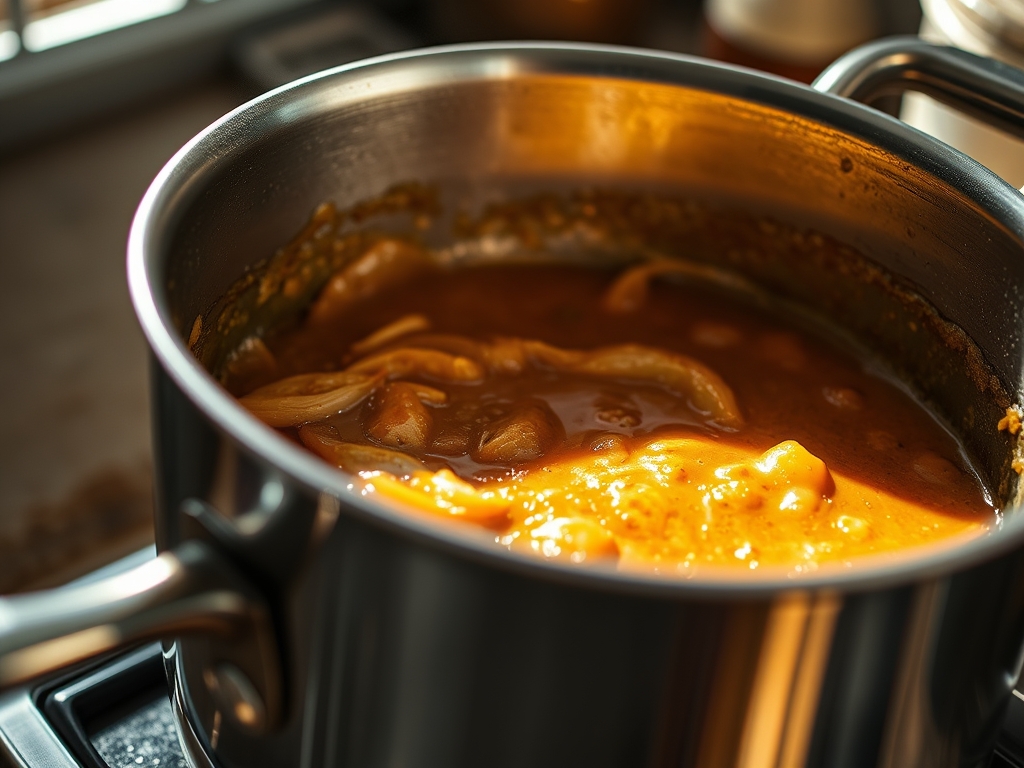
Preheat your convection oven to 200C / 400F. Use a digital scale to ensure your sweet potato cubes are uniform in weight. Toss the cubes in a stainless steel mixing bowl with half the olive oil and the smoked paprika. Spread them onto a heavy-gauge rimmed baking sheet in a single layer to prevent steaming.
Pro Tip: Uniformity is the soul of consistency. Using a bench scraper to move your diced roots ensures you do not bruise the vegetable flesh, which preserves the integrity of the starch granules for a better roast.
Step 2: The Zinc Infusion
While the roots roast, place your pumpkin seeds in a cold saucier or heavy skillet. Set the heat to medium-low. Frequently agitate the pan to ensure even heat distribution. You are looking for the seeds to slightly "puff" and emit a nutty, toasted aroma.
Pro Tip: This is a dry-heat transformation. The Maillard reaction occurs rapidly here; as the seeds pop, they are releasing essential oils. Moving them constantly prevents the delicate fats from reaching their smoke point and turning acrid.
Step 3: Emulsion Construction
In a small glass carafe, whisk together the remaining olive oil, maple syrup, apple cider vinegar, and microplaned garlic. Use a high-speed whisking motion to aerate the mixture, creating a temporary emulsion that will coat the warm ingredients evenly.
Pro Tip: Use a silicone mini-whisk to maximize surface area contact. The acid in the vinegar acts as a surfactant, helping the oil and syrup bind into a viscous glaze that clings to the seeds rather than pooling at the bottom of the bowl.
Step 4: The Final Assembly
Remove the sweet potatoes once they show charred edges. Transfer them to a large bowl, add the toasted pumpkin seeds, and pour the emulsion over the top. Toss aggressively with a silicone spatula to ensure every crevice is coated. Finish with the minced parsley and sea salt.
Pro Tip: Residual heat is your friend. Tossing the greens and glaze while the base is at 75C / 167F allows the garlic to lose its raw "bite" while the parsley releases its volatile oils without wilting into a mushy state.
Section B: Prep & Timing Fault-Lines:
The most common failure is the "Crowded Pan Syndrome." If the sweet potatoes are touching, they will release moisture and boil in their own steam rather than roasting. Ensure at least 1cm of clearance between each cube. If your seeds are browning too fast, your pan has too much thermal mass; remove it from the heat immediately and continue stirring to use the residual energy of the metal.
THE VISUAL SPECTRUM
Section C: Thermal & Visual Troubleshooting:
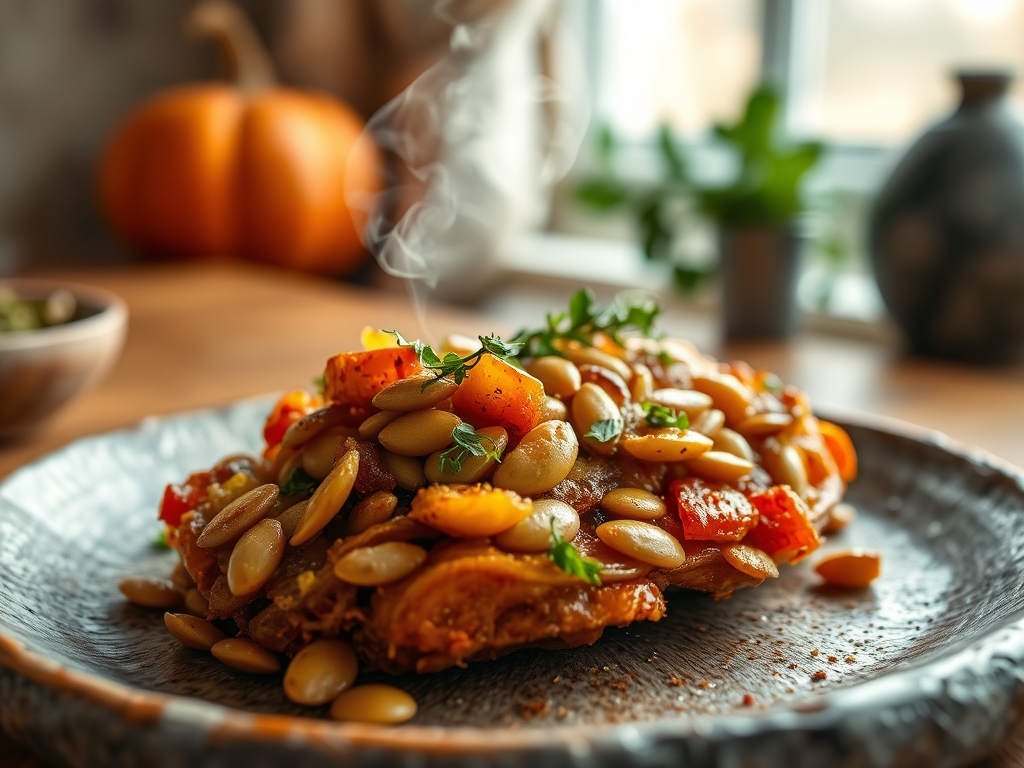
Referencing the Masterclass photo, your goal is a high-contrast palette. The seeds should be a vibrant, golden-green, not dark brown. If they look dull, you likely missed the window to add the glaze while they were hot. The sweet potatoes should exhibit "blistering" on the corners; this indicates the sugars have caramelized. If your dish looks "wet" or soggy, increase the oven temperature by 10 degrees next time to accelerate evaporation. The parsley must remain a bright, electric green; if it turns olive-drab, the dish was too hot when the herbs were introduced.
THE DEEP DIVE
Macro Nutrition Profile:
A single serving provides approximately 450 calories, 18g of plant-based protein, 28g of healthy fats (primarily monounsaturated), and 42g of complex carbohydrates. Most importantly, it delivers over 60% of your RDA for Zinc and 80% for Magnesium, the "relaxation minerals."
Dietary Swaps:
- Vegan: Already compliant. Ensure maple syrup is used over honey.
- Keto: Replace sweet potatoes with roasted cauliflower florets or radishes to drop the net carb count while maintaining the crunch.
- GF: Naturally gluten-free. Audit your smoked paprika to ensure no flour-based anti-caking agents were added.
Meal Prep & Reheating Science:
To maintain molecular structure during reheating, avoid the microwave. The electromagnetic waves will turn the seeds rubbery. Instead, use a toaster oven at 175C / 350F for five minutes. This flashes the exterior moisture away, re-crisping the seeds and maintaining the structural integrity of the root vegetables.
THE KITCHEN TABLE
Why are my pumpkin seeds not crunchy?
You likely skipped the dry-toast phase or crowded the pan. Moisture is the enemy of the crunch. Ensure the seeds are toasted until they physically "plump" up before adding any liquid elements.
Can I use pre-roasted seeds?
Negative. Pre-roasted seeds have often been sitting in oxidized oils. For a true Pumpkin Seed Night, you need the volatile oils released fresh in your own kitchen to maximize the mineral bio-availability.
What if I do not have a saucier?
A wide cast-iron skillet is a viable alternative. Its high thermal mass provides consistent heat, though you must be more vigilant about stirring to prevent hot spots from scorching the seeds.
Is the maple syrup necessary?
The sugar provides more than flavor; it aids in the glazing process. It creates a thin, protective film that helps the salt and spices adhere to the smooth surface of the seeds.