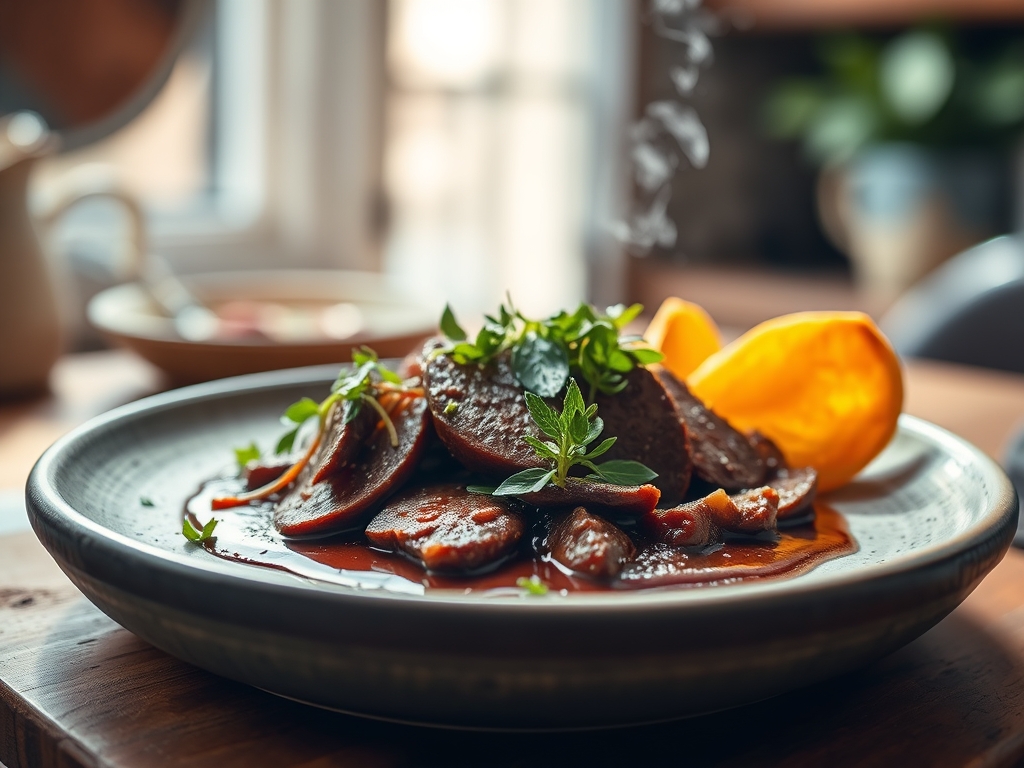
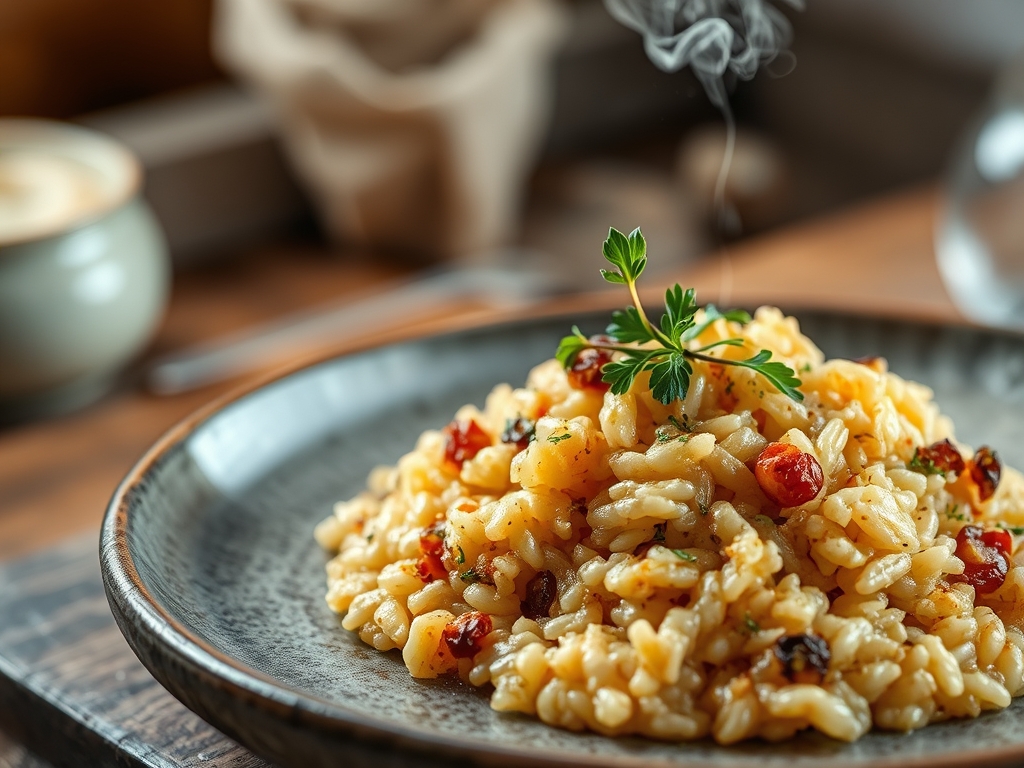
Stop settling for the lukewarm, gelatinous tragedy that usually passes for convenience food. We are here to dismantle the myth that speed necessitates a sacrifice of soul. Welcome to the audit of the century; we are dissecting the structural integrity of Dehydrated Risotto. This is not about a sad pouch of salty dust found in the camping aisle. This is about engineering a shelf-stable, high-velocity gourmet grain that maintains its architectural dignity from the dehydrator tray to the dinner plate. We are looking for that perfect starch suspension where every grain of Arborio remains distinct yet enveloped in a viscous, velvet embrace. The goal is a dish that screams of butter-emulsified luxury but can be resurrected with nothing more than boiling water and five minutes of patience. We are optimizing for the Maillard reaction during the initial toast and managing retrogradation during the drying phase to ensure that, upon rehydration, the texture is indistinguishable from a labor-intensive, forty-minute stovetop ritual. Strap in; we are about to turn your pantry into a high-performance flavor laboratory.
THE DATA MATRIX
| Metric | Specification |
|---|---|
| Prep Time | 60 Minutes |
| Execution Time | 8 Hours (Dehydration) / 5 Minutes (Reheat) |
| Yield | 4 Standard Servings |
| Complexity (1-10) | 7 |
| Estimated Cost per Serving | $2.25 |
THE GATHERS
Ingredient Protocol:
- 300g / 1.5 cups Arborio or Carnaroli Rice
- 750ml / 3 cups High-Gelatin Chicken or Vegetable Stock
- 120ml / 0.5 cup Dry White Wine (Acidic Profile)
- 60g / 4 tbsp Unsalted Grass-Fed Butter
- 50g / 0.5 cup Finely Grated Parmigiano-Reggiano
- 1 Large / 100g Shallot, Minced
- 2 Cloves / 10g Garlic, Microplaned
- 5g / 1 tsp Kosher Salt
- 2g / 0.5 tsp Fresh Cracked Black Pepper
Section A: Ingredient Quality Audit:
The primary failure point in Dehydrated Risotto is the choice of rice. If you attempt this with long-grain white rice, the structural integrity will collapse into a mushy slurry. You must use a high-starch, short-grain variety like Arborio to ensure the amylopectin levels are sufficient for that signature creaminess. If your stock lacks body, it will not provide the necessary "glue" to hold the flavor profile together during the drying process. Technical fix: Infuse your stock with a piece of kombu or a parmesan rind before starting to increase the glutamic acid content and viscosity. If the wine is too sweet, the sugars will caramelize unevenly in the dehydrator, leading to a bitter aftertaste. Stick to a crisp Sauvignon Blanc or Pinot Grigio to maintain a piquant edge that cuts through the fat.
THE MASTERCLASS
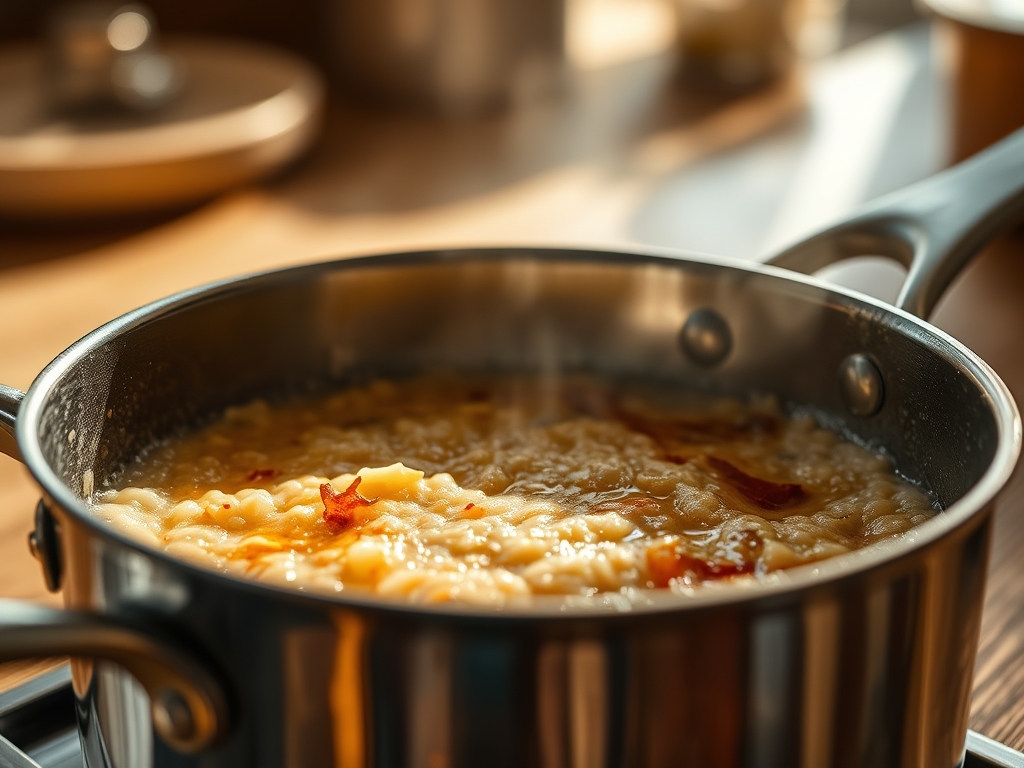
Step 1: The Aromatics and the Toast
Begin by melting half of your butter in a heavy-bottomed saucier. Sauté the shallots and garlic until translucent but not browned. Add the dry rice and toast the grains for three minutes until the edges are translucent but the center remains opaque. This step is critical to render the surface starch and develop a nutty base note.
Pro Tip: Use a digital scale to ensure your rice-to-fat ratio is exact. Over-fatting the rice at this stage will create a lipid barrier that prevents the grains from dehydrating properly, leading to rancidity in storage.
Step 2: Deglaze and Hydrate
Pour in the white wine to deglaze the pan, scraping up any browned bits. Once the wine has been fully absorbed, begin adding your stock one ladle at a time. Stir constantly with a silicone spatula to aerate the mixture and encourage the release of starch. Stop cooking when the rice is "al dente" with a slight bite in the center.
Pro Tip: Do not overcook the rice here. The dehydration and subsequent rehydration process will continue to soften the grain. Aim for a texture that feels slightly underdone by traditional standards to account for the secondary thermal cycles.
Step 3: The Emulsion and Cooling
Remove the pan from the heat and vigorously stir in the remaining butter and Parmigiano-Reggiano. This creates a viscous emulsion. Spread the finished risotto onto a parchment-lined baking sheet in a thin, even layer. Use a bench scraper to level the surface, ensuring there are no clumps that could trap moisture.
Pro Tip: Rapid cooling is essential to prevent bacterial growth. Place the tray in the refrigerator for 30 minutes before moving to the dehydrator. This stabilizes the starches and makes the mixture easier to handle.
Step 4: Dehydration Protocol
Transfer the chilled risotto to dehydrator trays lined with non-stick sheets. Set your dehydrator to 135 degrees Fahrenheit (57 degrees Celsius). Dry the mixture for 8 to 10 hours until the rice is completely hard and shatters when pressed. It should look like small, golden pebbles.
Pro Tip: Rotate your trays every three hours to ensure even airflow. Use an infrared thermometer to verify that the internal temperature of the dehydrator remains consistent, as fluctuations can lead to case hardening where the outside is dry but the inside remains moist.
Section B: Prep & Timing Fault-Lines:
The most common human error is impatience during the initial stovetop phase. If you add the stock too quickly, the starch won't develop, resulting in a thin, watery rehydrated product. Conversely, if you over-reduce the liquid before dehydration, the grains will fuse together into an inseparable brick. Ensure you are using a timer to monitor the stirring intervals. Temperature control is equally vital; if the dehydrator is too hot (above 145 degrees Fahrenheit), you risk cooking the fats and cheeses, which will cause the oils to separate and go rancid within days.
THE VISUAL SPECTRUM
Section C: Thermal & Visual Troubleshooting:
Look closely at the Masterclass photo. Notice the distinct separation of grains despite the creamy coating; this is the hallmark of a successful audit. If your final product appears dull or grey, you likely skipped the toasting phase or used an oxidized stock. To fix a "flat" visual profile, ensure you infuse your stock with fresh herbs like thyme or parsley before the initial cook. If you see uneven browning or dark spots, your dehydrator has hot spots. Solution: Increase the frequency of tray rotation. If the rehydrated dish looks "broken" with oil floating on top, your initial emulsion was weak. Next time, stir more vigorously during the final butter addition to lock those fats into the starch matrix.
THE DEEP DIVE
Macro Nutrition Profile:
A single serving of this engineered Dehydrated Risotto provides approximately 380 calories, 12g of fat, 55g of carbohydrates, and 8g of protein. The high starch content provides sustained glucose release, while the fats from the butter and cheese offer satiety.
Dietary Swaps:
- Vegan: Replace butter with a high-quality olive oil and use nutritional yeast or a fermented nut-based cheese substitute. Ensure the vegetable stock is rich in umami (mushrooms are excellent here).
- Keto: Risotto is inherently high-carb; however, you can apply these dehydration techniques to riced cauliflower, though the starch-binding properties will differ significantly.
- GF: Arborio rice is naturally gluten-free, but always verify that your stock and spices are processed in a gluten-free facility.
Meal Prep & Reheating Science:
To rehydrate, combine equal parts dehydrated risotto and boiling water in a heat-proof container. Cover and let sit for 5 minutes. The science of starch retrogradation means that as the rice cools and dries, the amylose molecules realign into a crystalline structure. Boiling water breaks these bonds, returning the grain to its supple state. Store the dry product in vacuum-sealed bags with an oxygen absorber to maintain molecular integrity for up to six months.
THE KITCHEN TABLE
How long does Dehydrated Risotto last?
When stored in a cool, dark place in a vacuum-sealed bag with an oxygen absorber, it stays shelf-stable for 6 to 9 months. The high fat content from cheese and butter is the limiting factor for longevity.
Can I use brown rice for this?
Technically yes, but the bran layer interferes with starch release. You will lose the signature creamy texture that defines a true risotto. The rehydration time will also increase significantly, defeating the purpose of a "speed" meal.
Why is my rehydrated risotto crunchy?
This indicates insufficient rehydration time or water temperature. Ensure the water is at a rolling boil when added, and keep the container tightly covered to trap steam, which is necessary to penetrate the retrograded starch core.
Is a dehydrator mandatory?
While an oven on the lowest setting with the door propped open can work, it is inefficient and risks scorching the fats. A dedicated dehydrator provides the precise airflow and temperature control required for a gourmet result.