Imagine the sound of a structural failure in your backpack. It is the muffled snap of a dry, chalky brick that promised sustained vitality but delivered only crumbs and disappointment. We are not here to discuss those dusty relics of the vending machine era. We are here to engineer Portable Energy Bars that function as high-performance fuel cells. This is culinary architecture at its most demanding level. We are balancing the viscous grip of natural binders against the structural integrity of toasted grains. Every bite must deliver a calculated release of glucose while maintaining a texture that resists thermal degradation in a gym bag or a hiking pack. We are looking for a specific tensile strength; a bar that bends but does not shatter, and yields to the tooth without sticking to the palate. This is a symphony of lipids, complex carbohydrates, and fiber, all held together by the precise application of heat and pressure. If you are tired of eating cardboard masquerading as nutrition, welcome to the laboratory. We are about to render raw ingredients into a portable masterpiece of edible infrastructure.
THE DATA MATRIX
| Metric | Specification |
|---|---|
| Prep Time | 20 Minutes |
| Execution Time | 30 Minutes |
| Yield | 12 Bars (60g each) |
| Complexity (1-10) | 4 |
| Estimated Cost per Serving | $0.85 |
THE GATHERS
Ingredient Protocol:
- Rolled Oats (Base): 500ml / 2 cups
- Raw Almonds (Chopped): 250ml / 1 cup
- Medjool Dates (Pitted): 375ml / 1.5 cups
- Creamy Almond Butter: 125ml / 0.5 cup
- Maple Syrup (Grade A): 60ml / 0.25 cup
- Flax Seeds (Ground): 30ml / 2 tbsp
- Sea Salt (Fine): 2.5ml / 0.5 tsp
- Vanilla Extract: 5ml / 1 tsp
- Dark Chocolate Chips (70% Cacao): 125ml / 0.5 cup
Section A: Ingredient Quality Audit:
The primary failure point in Portable Energy Bars is often the moisture content of the dates. If your dates are dry and fibrous, they will fail to create the necessary viscous paste required for structural adhesion. To fix this, soak subpar dates in boiling water for ten minutes, then drain thoroughly before processing. Another common issue is rancid nuts. Always taste your almonds before starting; if they lack a clean, sweet snap, they have oxidized. To rescue slightly dull nuts, toast them at 175C for five minutes to render their natural oils and revitalize the flavor profile. If your almond butter has separated, do not simply pour off the oil. Use a high speed immersion blender to re-emulsify the solids and lipids, ensuring a consistent binder that won't leak through the wrapper later.
THE MASTERCLASS
Step 1: The Thermal Calibration
Preheat your oven to 175C (350F). Spread the rolled oats and chopped almonds across a heavy duty rimmed baking sheet. Toast them for 10 to 12 minutes until they emit a nutty aroma and show slight golden pigmentation.
Pro Tip: This step utilizes the Maillard reaction to develop complex flavor compounds. Use a digital scale to ensure your dry-to-wet ratio is exact, as even a five percent deviation in oat weight can lead to a bar that crumbles under its own weight.
Step 2: The Binding Matrix
While the grains toast, place the pitted dates into a high speed food processor. Pulse until the dates form a thick, sticky paste that clumps into a ball. This is your primary structural adhesive.
Pro Tip: If the paste is too stubborn, add a teaspoon of warm water to infuse the fiber with enough moisture to become pliable. Professional chefs use a silicone spatula to scrape the sides, ensuring no large chunks remain to compromise the bar's internal geometry.
Step 3: The Emulsion Phase
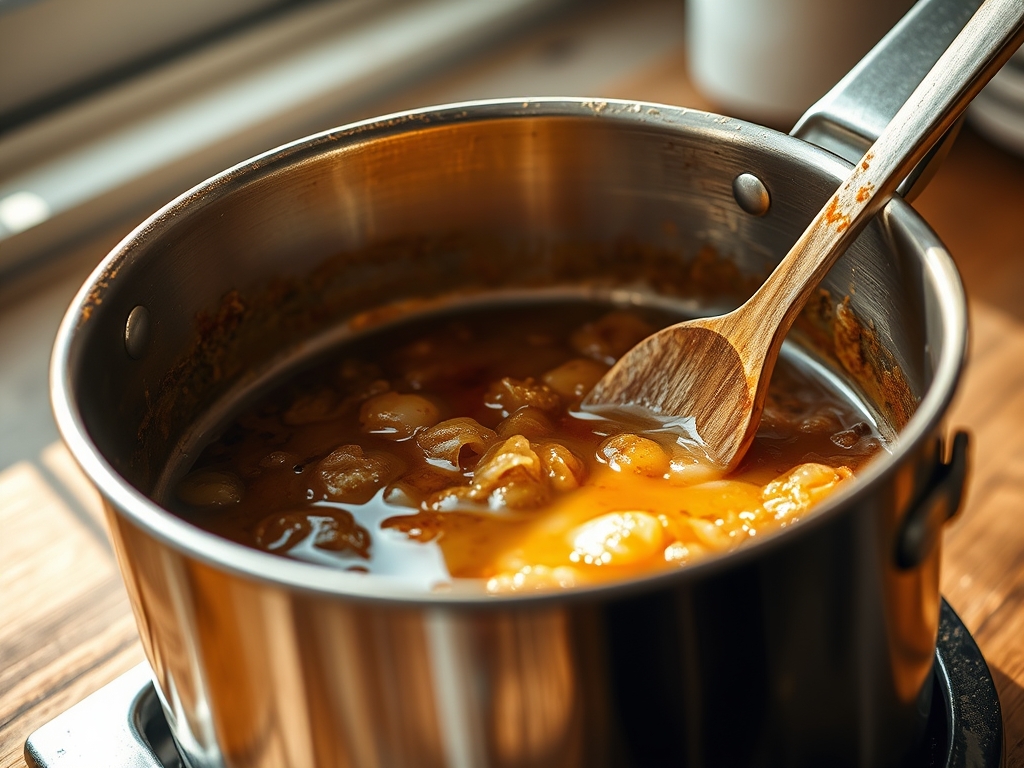
In a small saucier over low heat, combine the almond butter, maple syrup, and sea salt. Stir constantly until the mixture is fluid and fully integrated. Do not allow it to boil, as excessive heat will cause the sugars to crystallize and harden the final product.
Pro Tip: Heating the binders reduces their viscosity, allowing them to coat every grain of oat and fragment of nut. This ensures that the "glue" of your Portable Energy Bars is distributed evenly at a molecular level.
Step 4: The Integration
In a large stainless steel mixing bowl, combine the toasted oats, almonds, date paste, and the warm liquid binder. Use a bench scraper or a stiff spatula to fold the ingredients together. The goal is a homogenous mass where no dry pockets of oats remain.
Pro Tip: Add the chocolate chips last, once the mixture has cooled slightly. This prevents them from melting entirely, allowing them to act as internal "rebar" within the bar's structure.
Step 5: The Compression
Line a 20cm square baking pan with parchment paper, leaving an overhang on the sides. Transfer the mixture to the pan. Place another sheet of parchment on top and use a heavy, flat bottomed glass or a professional offset spatula to press the mixture down with significant force.
Pro Tip: Compression is the secret to shelf stability. By removing air pockets, you prevent the ingress of oxygen and moisture, which preserves the bar and ensures it won't fall apart during transit.
Step 6: The Setting Period
Place the pan in the refrigerator for at least two hours, or ideally overnight. Once firm, use the parchment overhang to lift the block onto a cutting board. Use a sharp chef's knife to slice into twelve uniform rectangles.
Pro Tip: For the cleanest edges, wipe your knife with a warm, damp cloth between every cut. This prevents the sticky date sugars from dragging through the bar and ruining the aesthetic "look" seen in professional photography.
Section B: Prep & Timing Fault-Lines:
The most common human error is impatience during the cooling phase. If you attempt to slice the bars while the lipids in the almond butter are still warm, the bars will suffer a catastrophic structural collapse. Another timing issue involves the toasting of the oats. If they are under-toasted, they will absorb too much moisture from the dates and turn into a soggy mash. If over-toasted, they become brittle and lose their ability to bond. Use a timer and trust your nose; the moment the kitchen smells like a bakery, the oats are ready.
THE VISUAL SPECTRUM
Section C: Thermal & Visual Troubleshooting:
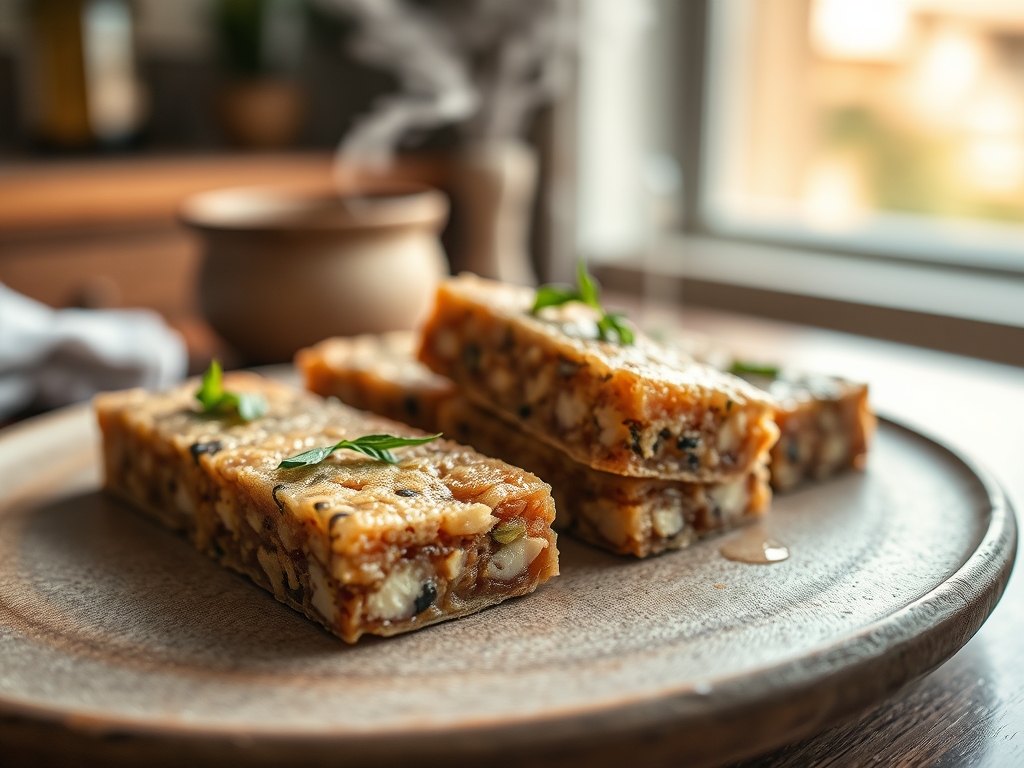
Referencing the Masterclass photo, your Portable Energy Bars should exhibit a variegated landscape of textures. If your bars look dull or monochromatic, you likely over-processed the dates into a slurry rather than a paste. If the chocolate chips have streaked across the surface, the mixture was too hot during the integration phase. Uneven browning on the oats suggests they weren't agitated on the baking sheet during toasting. To achieve that professional sheen seen in the image, ensure the maple syrup is high quality; lower grade syrups lack the mineral content to provide that subtle, reflective glisten. If the bars appear "shaggy" at the edges, increase your compression force during Step 5.
THE DEEP DIVE
Macro Nutrition Profile:
Each bar provides approximately 280 calories, 12g of healthy fats, 38g of complex carbohydrates, and 7g of plant based protein. The high fiber content from the dates and oats ensures a low glycemic load, preventing the "crash" associated with processed sugar bars.
Dietary Swaps:
- Vegan: This recipe is inherently vegan.
- Keto: Replace oats with hemp hearts and shredded coconut; swap dates for a sugar free fiber syrup.
- GF: Ensure oats are certified gluten free to avoid cross contamination.
Meal Prep & Reheating Science:
These bars are designed for ambient temperature stability. However, to maintain their molecular structure for up to three weeks, store them in an airtight container with parchment separators. If they become too firm in a cold climate, a five second pulse in the microwave will slightly soften the almond butter without compromising the bar's shape.
THE KITCHEN TABLE
How do I prevent the bars from being too sticky?
Increase the ratio of toasted oats by ten percent. This provides more surface area for the binders to cling to, reducing the amount of "free" sugars on the exterior of the bar.
Can I use honey instead of maple syrup?
Yes, but honey has a higher moisture content. You may need to increase the compression time in the refrigerator to allow the bar to fully set and reach its target tensile strength.
Why did my bars crumble when I cut them?
This is a sign of insufficient compression or dry dates. Ensure you are putting your full weight into the pressing phase to lock the ingredients into a singular, solid matrix.
How long do these stay fresh in a backpack?
Due to the low water activity of the ingredients, these bars are shelf stable at room temperature for five to seven days. For longer treks, vacuum sealing will extend their lifespan significantly.