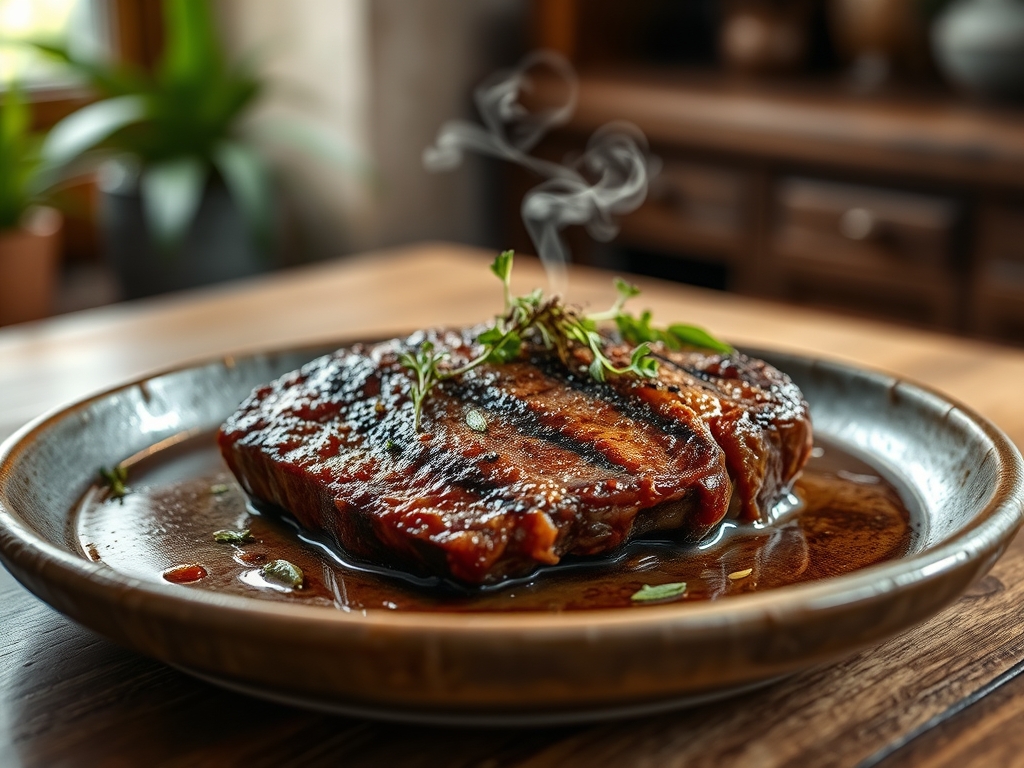
Forget the grey, boiled slabs of disappointment that haunt the dreams of amateur campers. We are moving beyond the primitive campfire char and entering the realm of precision thermal engineering. When you deploy a Vacuum Sealed Steak in the backcountry, you are not just eating; you are executing a high-performance biological refueling mission. Imagine pulling a perfectly edge-to-edge medium-rare ribeye from a thermal bath, the fat already rendered into a viscous liquid gold, ready for a sixty-second sear that triggers a Maillard reaction so violent it smells like victory. This is about the intersection of anaerobic preservation and culinary dominance. We are leveraging atmospheric pressure to force seasoning deep into the muscle fibers while ensuring that not a single drop of precious moisture escapes into the ether. This is the technical audit of the ultimate trail luxury. We are talking about protein that has been structurally optimized for maximum tenderness and flavor density. If you are still throwing raw meat into a cooler with loose ice, you are failing the audit. It is time to upgrade your infrastructure.
THE DATA MATRIX
| Metric | Specification |
|---|---|
| Prep Time | 20 Minutes |
| Execution Time | 2 Hours (Thermal Bath) |
| Yield | 2 Servings |
| Complexity (1-10) | 4 |
| Estimated Cost per Serving | $18.50 |
THE GATHERS
Ingredient Protocol:
- 565g / 20oz Prime Ribeye or New York Strip (1.5 inches thick)
- 15g / 1 tbsp Kosher Salt
- 5g / 1 tsp Coarsely cracked black peppercorns
- 30ml / 2 tbsp Avocado oil (high smoke point)
- 45g / 3 tbsp Unsalted butter
- 3 cloves / 15g Garlic, smashed
- 2 sprigs / 4g Fresh rosemary
Section A: Ingredient Quality Audit:
Sub-par raw materials are the primary failure point in anaerobic cooking. If your beef exhibits a pale, watery complexion, it likely suffers from high moisture content and poor cellular integrity. To fix this, perform a "Dry Brine Audit" by salting the meat and leaving it uncovered on a wire rack in the refrigerator for four hours before sealing. This tightens the protein structure. If your herbs lack a piquant aroma, they are oxidized; double the quantity or infuse them into your finishing butter to compensate for the diminished volatile oils.
THE MASTERCLASS
1. The Atmospheric Seal
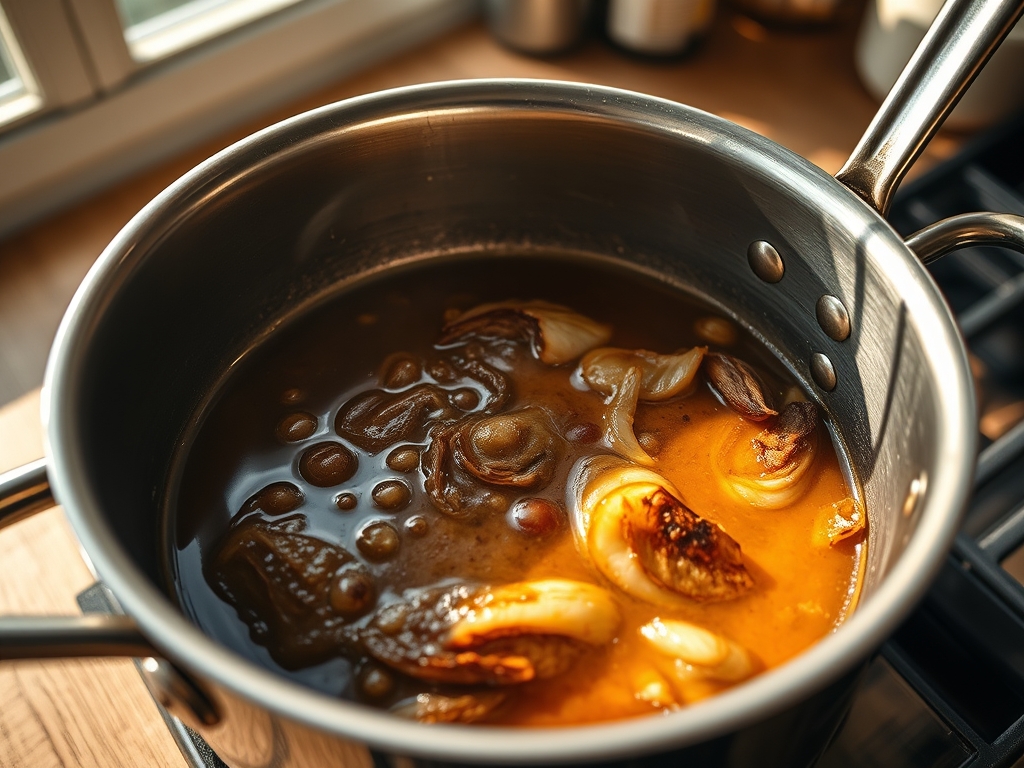
Season the beef aggressively on all surfaces using your digital scale to ensure a precise 1.5 percent salt-to-weight ratio. Place the steak into a heavy-duty BPA-free bag. Use a vacuum sealer to remove all oxygen, ensuring the plastic contours perfectly to the muscle fibers.
Pro Tip: Removing oxygen prevents aerobic bacteria growth and ensures 100 percent contact with the water, which conducts heat 25 times more efficiently than air.
2. Thermal Equilibrium
Set your immersion circulator to 54 degrees Celsius (129 degrees Fahrenheit) for a perfect medium-rare. Submerge the bag completely. If the bag floats, use a heavy saucier or a weight to keep it submerged.
Pro Tip: This temperature allows the collagen to begin breaking down without denaturing the proteins to the point of toughness; it is the "sweet spot" for structural integrity.
3. The Ice Bath Shock
Once the timer expires, immediately plunge the sealed bag into a 50/50 ice and water slurry for ten minutes. This stops the internal carry-over cooking and prepares the surface for a high-heat sear without overcooking the center.
Pro Tip: This "thermal crashing" is a professional secret that ensures you can get a thick crust later without creating a grey "overcooked" ring inside the meat.
4. Surface Dehydration
Remove the steak from the bag and use a lint-free paper towel to bone-dry the surface. Any residual moisture will turn to steam and prevent the Maillard reaction. Use a bench scraper to clear your workstation of any bag juices (save these to deglaze a pan later).
Pro Tip: Moisture is the enemy of the crust; even a microscopic layer of water requires massive energy to evaporate, which delays browning and overcooks the interior.
5. The Kinetic Sear
Heat a cast-iron skillet until it reaches 260 degrees Celsius (500 degrees Fahrenheit). Add avocado oil, then the steak. Sear for 45 seconds per side. In the final 30 seconds, add butter, garlic, and rosemary. Use a large spoon to aerate and baste the foaming butter over the meat.
Pro Tip: Basting with hot fat ensures that the nooks and crannies of the steak reach the required temperature for flavor development while the herbs infuse the rendered fat.
Section B: Prep & Timing Fault-Lines:
The most common human error is the "Cold Start." If you move a steak directly from the freezer to the hot pan, the exterior burns before the interior reaches a safe temperature. Always use the immersion circulator to bring the core to target temp first. Another failure is "Seal Leakage." If you see bubbles escaping the bag during the bath, your seal is compromised. Immediately remove, re-dry, and re-seal to prevent the meat from becoming waterlogged and losing its mineral profile.
THE VISUAL SPECTRUM
Section C: Thermal & Visual Troubleshooting:
Analyze the Masterclass photo above. Notice the deep, mahogany-colored crust; this is the result of proper surface dehydration and high-heat kinetic energy. If your steak looks grey or tan, your pan temperature was insufficient. If you see a thick grey band between the crust and the red center, you skipped the ice bath shock. The fat should look translucent and render into a soft texture; if it is white and hard, the thermal bath duration was too short to break down the lipid chains. For a dull-colored steak, a final splash of acid (like lemon juice) can brighten the visual profile and cut through the heavy fats.
THE DEEP DIVE
Macro Nutrition Profile:
A standard 250g serving of this Vacuum Sealed Steak provides approximately 620 calories. It delivers 62g of high-bioavailability protein and 42g of fat. The anaerobic process preserves essential B-vitamins and minerals like Zinc and Iron that are often lost in traditional high-heat grilling where juices drip into the coals.
Dietary Swaps:
- Vegan: Replace the steak with a thick-cut "steak" of Lion's Mane mushroom. Use vegan butter (oil-based) for the basting phase. The mushroom structure mimics the fibrous texture of beef when compressed in a vacuum bag.
- Keto/GF: This recipe is inherently Keto and Gluten-Free. Ensure your butter is grass-fed to maximize Omega-3 fatty acid ratios.
Meal Prep & Reheating Science:
To maintain the molecular structure during reheating, keep the steak in its vacuum-sealed bag. Re-submerge it in a 52 degree Celsius water bath for 20 minutes. This warms the protein through without re-triggering the coagulation of muscle fibers, which causes the "leftover" rubbery texture found in microwave reheating.
THE KITCHEN TABLE
Why is my steak juice red?
That is myoglobin, not blood. It is a protein that delivers oxygen to muscles. In vacuum sealing, the lack of oxygen can turn it purple; once opened, it reacts with air to turn bright red again.
Can I leave it in the water bath for 24 hours?
Negative. While the temperature remains safe, the enzymatic breakdown will eventually turn the muscle fibers into a mushy, unappealing paste. For a ribeye, the structural integrity peak is between two and four hours.
Do I need an expensive vacuum sealer?
While a chamber sealer is the gold standard for liquids, a standard suction sealer works for steaks. You can even use the "water displacement method" with a high-quality zip-top bag if your mechanical infrastructure fails.
Should I put butter in the bag?
Actually, no. Fats are flavor carriers. Putting butter in the bag during the long cook can actually pull flavor out of the meat and into the fat, which you then discard. Save the butter for the final sear.