The kitchen is a battlefield of thermodynamics; every second lost to the slow boil of a starch-heavy tuber is a tactical failure in the pursuit of immediate satiety. We are moving beyond the era of the humble, lumpy side dish. Today, we audit the infrastructure of the rapid calorie-dense mash, transforming dehydrated flakes into a viscous, velvet-smooth masterpiece that defies its shelf-stable origins. This is not about cutting corners; it is about precision-engineered efficiency. By leveraging high-level Instant Potato Hacks, we bypass the forty-minute peeling and boiling cycle in favor of a sixty-second rehydration protocol that yields professional results. Imagine a texture so refined it mimics a triple-passed Robuchon-style puree, yet it originates from a box in your pantry. We are here to aerate the mundane and infuse every molecule with fat and flavor. If you think instant potatoes are a compromise, your culinary infrastructure is outdated. Prepare for a total system reboot of your starch management strategy.
THE DATA MATRIX
| Metric | Specification |
|---|---|
| Prep Time | 2 Minutes |
| Execution Time | 3 Minutes |
| Yield | 4 Servings |
| Complexity (1-10) | 2 |
| Estimated Cost per Serving | $0.85 |
THE GATHERS
Ingredient Protocol:
- 225g / 2 cups Instant Potato Flakes (Unflavored)
- 475ml / 2 cups Whole Milk (3.5% Fat)
- 120ml / 0.5 cup Heavy Cream
- 115g / 1 stick Unsalted Grass-fed Butter
- 5g / 1 tsp Fine Sea Salt
- 2g / 0.5 tsp White Pepper (to maintain visual purity)
- 15ml / 1 tbsp Cultured Buttermilk (for piquant acidity)
Section A: Ingredient Quality Audit:
The primary failure point in rapid starch hydration is the quality of the rehydration liquid. If your milk is nearing its expiration or has been scorched, the proteins will denature and create a grainy mouthfeel. Technical Fix: If using low-fat dairy, you must compensate for the lack of lipids by increasing the butter ratio. If your potato flakes have a stale, cardboard-like aroma, they have oxidized. You can salvage this by toasted the dry flakes in a dry saucier for 30 seconds before adding liquid to render out the off-flavors and introduce a nutty, toasted profile. Always use filtered water if dairy is not the primary base; chlorine in tap water will interact with the starch molecules and create a chemical aftertaste that no amount of salt can mask.
THE MASTERCLASS
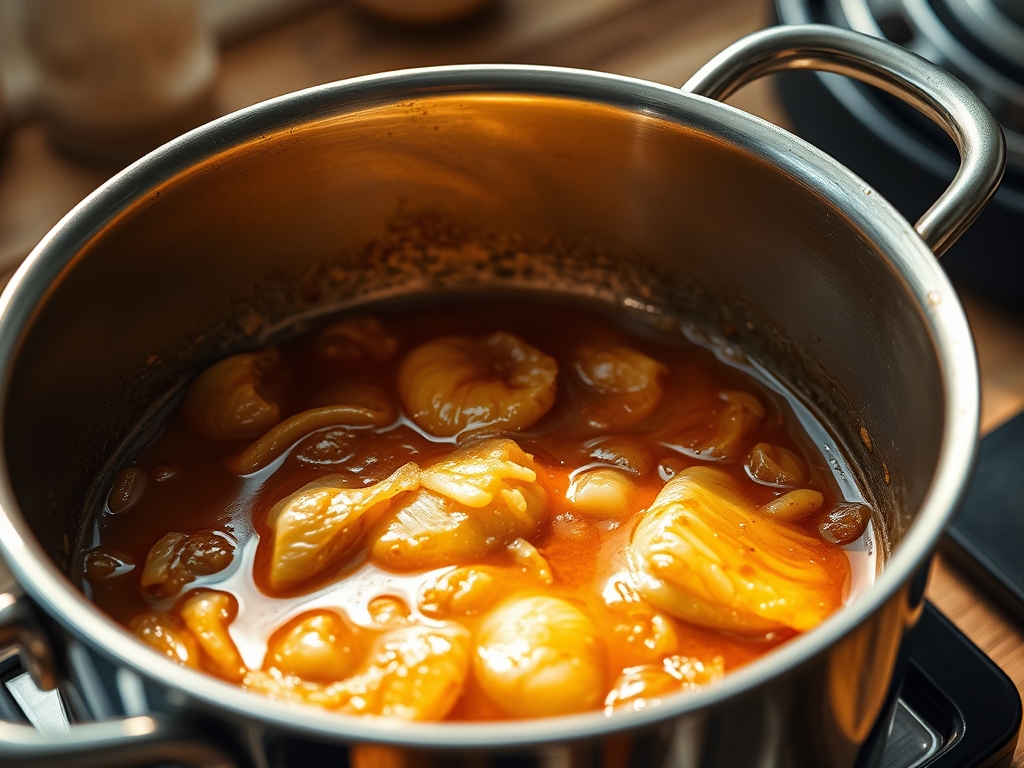
1. Thermal Liquid Calibration
Place your stainless steel saucier on a digital scale and tare it. Combine the milk, cream, and butter. Heat until the butter is fully melted and the liquid reaches exactly 185 degrees Fahrenheit. Do not allow it to reach a rolling boil, as this will cause the milk solids to separate.
Pro Tip: Maintaining the temperature below boiling prevents the starch granules from bursting too violently. This ensures a smooth, non-gummy texture. Using a saucier with rounded bottom edges allows for better whisk contact, preventing scorched pockets of dairy.
2. The Granule Integration
Remove the vessel from the heat source. Using a steady hand, rain the potato flakes into the liquid while whisking gently with a balloon whisk. Do not dump them in a single mass, as this creates "dry islands" of unhydrated starch.
Pro Tip: This technique is known as "staged hydration." By slowly introducing the flakes, you allow each granule to swell independently. A bench scraper can be used to clean the sides of the pot to ensure 100% integration of the dry material.
3. Aeration and Emulsification
Let the mixture sit undisturbed for 60 seconds to allow the moisture to penetrate the core of the flakes. After the rest, use a silicone spatula to fold in the buttermilk and white pepper. Fold from the bottom up to aerate the mash without overworking the starch.
Pro Tip: Over-mixing is the enemy of the potato. Excessive mechanical agitation releases amylose, which turns your mash into wallpaper paste. The buttermilk provides a chemical lift, reacting slightly with the starch to create a lighter, fluffier structure.
4. Final Texture Refinement
If the mash appears too stiff, add warm milk in 15ml increments. The goal is a viscous consistency that holds a peak but flows slightly when the plate is tilted. Taste for seasoning and adjust salt levels immediately while the mixture is hot.
Pro Tip: Use a digital scale to record the exact amount of extra liquid added. This allows you to standardize your recipe for future audits, ensuring perfect repeatability regardless of the brand of flakes used.
Section B: Prep & Timing Fault-Lines:
The most common human error is the "Cold Addition" fallacy. Adding cold butter or cold cream to already hydrated potatoes will cause the starch to seize, resulting in a waxy texture. All fats must be incorporated at the thermal peak. Furthermore, timing is critical; instant potatoes lose their structural integrity faster than fresh tubers. If the mash sits for more than ten minutes without a cover, a skin will form. To fix this, press a piece of parchment paper directly onto the surface of the mash to prevent evaporation and oxidation. If the mixture becomes too thick during a delay, do not add water; use a small amount of warm heavy cream to infuse moisture without diluting the flavor profile.
THE VISUAL SPECTRUM
Section C: Thermal & Visual Troubleshooting:
Referencing the Masterclass photo, the ideal mash should possess a satin-like sheen, indicating a successful fat-to-starch emulsion. If your mash looks dull or matte, you have under-indexed on butter. A yellow, oily film on the surface suggests the emulsion has broken because the liquid was too hot. To fix a broken emulsion, whisk in a tablespoon of cold heavy cream vigorously. If the color is greyish, you likely used black pepper or your water had high mineral content. For a vibrant, professional look, always use white pepper and a pinch of turmeric if you desire a "farm-fresh" golden hue. The peaks in the photo show "structural loft"; if your potatoes are flat and runny, reduce the liquid in your next audit by 10%.
THE DEEP DIVE
Macro Nutrition Profile:
A standard serving of this engineered mash provides approximately 280 calories, 18g of fat, 24g of carbohydrates, and 4g of protein. It is a high-density fuel source designed for rapid recovery or high-output days.
Dietary Swaps:
- Vegan: Replace butter with a high-quality vegan oil-based spread and use unsweetened cashew milk. Cashew milk contains natural fats that mimic the mouthfeel of dairy better than almond or soy.
- Keto: This is a starch-based dish and is inherently difficult to make Keto. However, you can blend 50% steamed cauliflower florets with 50% instant potatoes to significantly reduce the net carb count while maintaining the "potato" infrastructure.
- GF: Most instant potatoes are naturally gluten-free, but always audit the packaging for "cross-contamination" warnings.
Meal Prep & Reheating Science:
To maintain molecular structure during reheating, avoid the microwave if possible. The microwave agitates water molecules violently, which can shatter the starch bonds. Instead, reheat in a small saucepan over low heat, adding a splash of milk to re-lubricate the granules. If you must use a microwave, cover the bowl tightly and use 50% power to ensure even thermal distribution.
THE KITCHEN TABLE
How do I fix gummy instant potatoes?
Gumminess is caused by over-mixing. You cannot "un-gum" them, but you can transform them. Fold in an egg yolk and some flour, then sear them in a pan as potato pancakes to hide the structural failure.
Can I use water instead of milk?
You can, but you sacrifice the protein-fat matrix that gives mash its luxury. If using water, double the butter and add a bouillon cube to the boiling liquid to deglaze the flavor profile of the dry flakes.
Why are my potatoes lumpy if they are instant?
This happens when flakes are added to boiling water too fast. The outer layer hydrates and seals off the dry center. Always whisk constantly while adding the flakes to ensure every granule has individual access to the liquid.
How do I make them taste like "real" potatoes?
The secret is the "Butter-First" method. Some chefs prefer to hydrate the flakes with melted butter before adding any liquid. This coats the starch in fat, preventing the gluey texture and providing a massive flavor boost.