Forget the romanticized image of a slow morning in a sun-drenched cabin. True Off Grid Coffee Prep is an exercise in tactical thermodynamics and precision fluid dynamics. When you are miles from the nearest power grid; the margin for error evaporates faster than steam from a boiling kettle. We are not just making a beverage; we are executing a high-stakes solvent extraction where the variables are hostile. Your water source is inconsistent. Your ambient temperature is fluctuating. Your heating element is likely a temperamental flame rather than a stabilized induction loop. To achieve a truly viscous and balanced cup in the wild; you must treat your portable brewing node like a laboratory. We are looking for that perfect intersection of Maillard-driven sweetness and clean acidity. Anything less is just hot; brown failure. This audit breaks down the infrastructure required to turn a primitive campsite into a high-output extraction zone. We will leverage thermal mass and precise grind geometry to ensure your morning ritual is technically flawless; regardless of your GPS coordinates.
THE DATA MATRIX
| Metric | Specification |
|---|---|
| Prep Time | 4 Minutes |
| Execution Time | 6 Minutes |
| Yield | 350ml / 12oz |
| Complexity (1-10) | 7 |
| Estimated Cost per Serving | $1.25 |
THE GATHERS
Ingredient Protocol:
- 30g / 1.05oz Whole Bean Coffee (Light-Medium Roast)
- 350ml / 11.8oz Filtered Water (Target 150ppm mineral content)
- 2g / 0.5 tsp Raw Demerara Sugar (Optional for caramelization)
- 50ml / 1.7oz Full Fat Oat Milk or Cream (For lipid emulsification)
Section A: Ingredient Quality Audit:
The primary failure point in remote extraction is water hardness. If your water is too soft; the coffee will taste sharp and thin. If it is too hard; the minerals will buffer the acids and leave you with a flat; chalky mess. Technical Fix: Carry a small vial of magnesium sulfate and sodium bicarbonate to "re-mineralize" distilled or snow-melt water. Furthermore; pre-ground coffee is a non-starter. The surface area exposure leads to rapid lipid oxidation. Always utilize a manual burr grinder with stainless steel cutters to maintain particle size distribution and prevent the "fines" that cause over-extraction and bitterness.
THE MASTERCLASS
1. Thermal Priming of the Node
Before a single grain of coffee touches the vessel; you must achieve thermal equilibrium. Pour boiling water into your brewer and carafe. This prevents the "heat sink" effect where the cold equipment steals energy from the brewing water; dropping the temperature below the required 92 degrees Celsius.
Pro Tip: Use a digital scale to measure the pre-heat water. Understanding the thermal mass of your equipment allows you to compensate for ambient cold. Professional baristas use this to ensure the slurry temperature remains constant.
2. Precision Grind Calibration
Set your manual burr grinder to a medium-fine setting; resembling sea salt. The goal is to maximize surface area without creating a "mud" that stalls the flow. Aerate the grounds by shaking the hopper gently before dosing into the filter.
Pro Tip: A bench scraper is surprisingly useful here to gather any stray grounds on a rough outdoor table. Maintaining a clean workspace prevents cross-contamination of flavors and ensures your measurements remain accurate to the milligram.
3. The Bloom Phase (Degassing)
Pour exactly 60ml of water over the grounds. You will see bubbles forming; this is the release of Carbon Dioxide. If the coffee does not bloom; it is stale. This phase allows the water to penetrate the cellular structure of the bean without being blocked by gas.
Pro Tip: Use a saucier or a gooseneck kettle for this. The narrow spout allows for laminar flow; ensuring you saturate every particle without agitating the bed too violently; which would lead to uneven extraction.
4. Controlled Agitation and Draw-Down
Pour the remaining water in slow; concentric circles. Avoid hitting the sides of the filter; as this causes "channeling" where water bypasses the coffee entirely. The total contact time should not exceed four minutes.
Pro Tip: Watch the "crema" or the golden foam on top. This is a suspension of CO2 and coffee oils. If it disappears too quickly; your water temperature was likely too high; causing the volatile aromatics to flash off.
Section B: Prep & Timing Fault-Lines:
The most common human error in Off Grid Coffee Prep is "thermal drifting." In cold environments; the water in your kettle loses 2 to 3 degrees per minute. If you hesitate during the pour; you will end up extracting at 85 degrees Celsius; resulting in a sour; under-extracted profile. Technical Fix: Use an insulated cozy for your brewing vessel and always keep the lid on the kettle between pours. Use a stopwatch to track the "draw-down" time. If the water takes longer than 4 minutes to pass through; your grind is too fine; if it takes less than 2 minutes; it is too coarse.
THE VISUAL SPECTRUM
Section C: Thermal & Visual Troubleshooting:
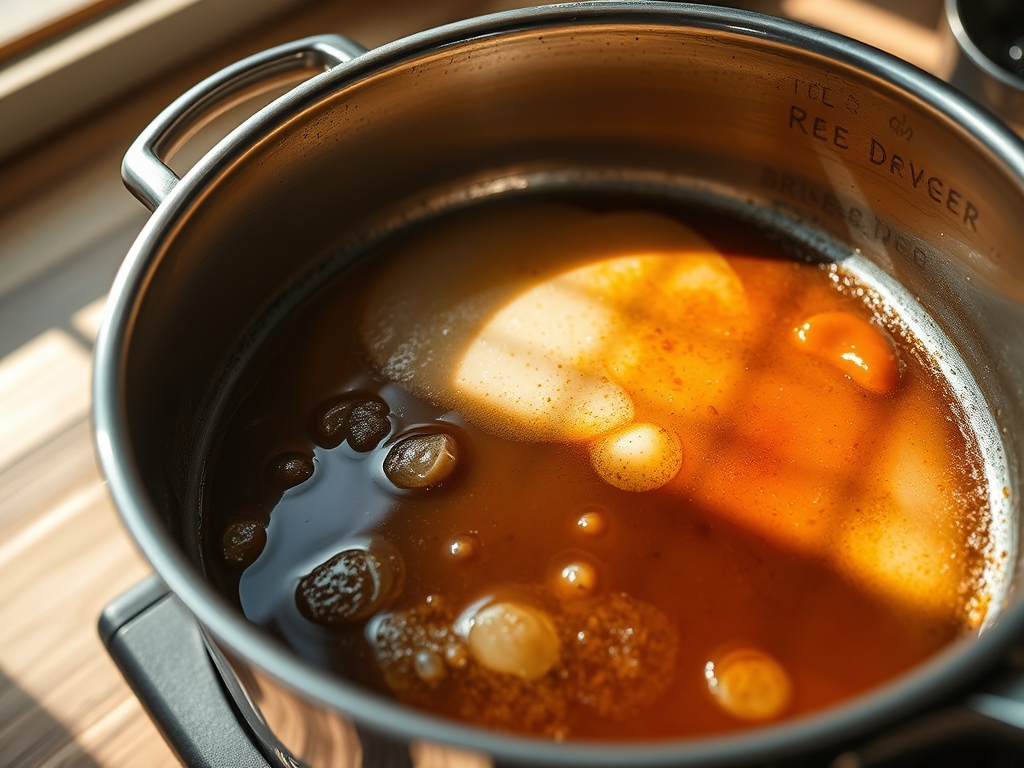
Referencing the Masterclass photo above; note the deep; mahogany clarity of the liquid. If your brew appears cloudy or "muddy;" you have likely suffered a filter bypass or used a blade grinder that produced too much dust. If the top of the coffee bed looks "high and dry" (grounds stuck to the sides of the filter); your pouring technique was inconsistent. You want a flat; level bed of grounds at the end of the brew. This indicates that the water passed through the entire mass evenly. If the color is pale or translucent; you have not achieved the necessary solute concentration. Check your ratio; you likely used too much water for the amount of coffee dosed.
THE DEEP DIVE
Macro Nutrition Profile:
Black coffee is effectively calorie-neutral but rich in polyphenols and antioxidants. When adding lipids like cream; you introduce fat-soluble vitamins (A; D; E; K). A standard 12oz cup with 50ml of cream contains approximately 120 calories; 12g of fat; and 2g of protein.
Dietary Swaps:
- Vegan: Substitute cream with coconut manna for a high-medium chain triglyceride (MCT) boost that aids in mental clarity.
- Keto: Whisk in 15g of unsalted grass-fed butter to create a viscous emulsion that provides sustained energy.
- GF: Coffee is naturally gluten-free; but ensure your oat milk is certified to avoid cross-contamination.
Meal Prep & Reheating Science:
Never reheat coffee in a pot; as this scorches the delicate oils and creates a piquant; acrid flavor. If you must prep ahead; store the coffee in a high-quality vacuum flask. The goal is to maintain the molecular structure by preventing further oxidation. If the temperature drops below 60 degrees Celsius; the chlorogenic acids begin to break down into quinic acid; which is responsible for that "stale" burnt taste.
THE KITCHEN TABLE
Why does my coffee taste like pennies?
This is usually a sign of over-extraction or metallic contamination from your water vessel. Ensure your kettle is stainless steel or titanium. Check your brew time; if it exceeds five minutes; the water is pulling metallic tannins from the beans.
Can I use snow for my water source?
Snow is essentially distilled water and lacks the minerals needed to infuse with coffee solids. It will result in a flat brew. Always add a pinch of sea salt or a mineral tablet to snow-melt before boiling.
What is the best way to clean gear off-grid?
Avoid soap; which leaves a residue that destroys the coffee's surface tension. Use boiling water and a stiff brush. The high heat will render any leftover oils and sanitize the equipment without affecting the flavor profile of the next batch.
How do I prevent my beans from going oily?
Oily beans are a result of dark roasting or heat exposure. Keep your beans in a vacuum-sealed; opaque container stored in the coolest part of your pack. This prevents the lipids from migrating to the surface and turning rancid.