Stop treating your breakfast like a secondary consideration or a chaotic pile of dairy. We are here to architect a masterpiece of macro-optimization. The Greek Yogurt Parfait is not merely a snack; it is a high-performance fuel cell designed to balance the piquant acidity of fermented protein against the crystalline crunch of complex carbohydrates. Imagine the tactile snap of toasted oats meeting the dense, viscous embrace of strained yogurt. This is a study in textures. We are looking for that specific moment where the fruit juices begin to infuse the top layer of the yogurt, creating a marbled aesthetic that signals peak freshness. If your current breakfast feels like a soggy, uninspired chore, you are failing the audit. We demand structural integrity. We demand a specific ratio of crunch to cream that maintains its form from the first spoonful to the final scrape of the glass. It is time to stop assembling and start engineering. Let us calibrate your kitchen for maximum kinetic potential.
THE DATA MATRIX
| Metric | Specification |
|---|---|
| Prep Time | 12 Minutes |
| Execution Time | 5 Minutes |
| Yield | 2 Servings |
| Complexity (1-10) | 3 |
| Estimated Cost per Serving | $2.75 |
THE GATHERS
Ingredient Protocol:
- 500g / 2 cups Strained Greek Yogurt (Full fat for maximum mouthfeel)
- 120g / 1 cup High-protein Granola (Look for clusters with structural density)
- 150g / 1 cup Fresh Berries (Blueberries, raspberries, or sliced strawberries)
- 30ml / 2 tbsp Raw Honey or Grade A Maple Syrup
- 5ml / 1 tsp Pure Vanilla Bean Paste
- 2g / 0.5 tsp Flaked Sea Salt
- 10g / 1 tbsp Toasted Hemp Hearts or Chia Seeds
Section A: Ingredient Quality Audit:
If your yogurt is watery, you are dealing with whey syneresis. This occurs when the protein network collapses. Fix this by straining the yogurt through a fine-mesh sieve lined with cheesecloth for thirty minutes to restore a thick, spreadable consistency. If your berries are dull and lack that piquant punch, they are likely under-ripe or stored at incorrect temperatures. Macerate them in a small bowl with a teaspoon of lemon juice and a pinch of sugar for five minutes to draw out the juices and infuse them with brightness. Stale granola is a non-starter; if it lacks "snap," toss it onto a sheet pan and toast it at 150C / 300F for six minutes to render out any residual moisture and crisp the sugars.
THE MASTERCLASS
1. Calibrate the Base Layer
Place your glass vessel on a digital scale and tare it to zero. Spoon in 125g of the Greek yogurt. Use the back of a small spoon to smooth the surface, ensuring there are no air pockets trapped against the glass.
Pro Tip: Use a silicone spatula to fold the vanilla bean paste into the yogurt before assembly. This ensures an even distribution of flavor without over-working the proteins, which can cause the yogurt to lose its viscous quality and become runny.
2. Establish the Fruit Foundation
Layer half of your macerated berries directly onto the yogurt. Aim for the perimeter of the glass first to create a clean visual line. This layer acts as a moisture barrier and a flavor transition zone.
Pro Tip: Use a pair of precision culinary tweezers to place the fruit if you are aiming for a gallery-grade presentation. Ensuring the fruit is dry on the outside prevents the juice from bleeding prematurely into the white yogurt layers.
3. Deploy the Crunch Component
Add a generous layer of granola. Do not pack it down; you want to maintain the air gaps between the clusters to preserve the "kinetic" snap of the dish.
Pro Tip: If you are using a homemade granola, ensure it has reached room temperature. Adding warm granola to cold yogurt creates localized condensation, which will immediately soften the oats and ruin the textural contrast you have worked to build.
4. Repeat and Seal
Add the remaining yogurt, followed by the rest of the fruit and a final sprinkle of hemp hearts. Drizzle the honey in a thin, steady stream from a height of six inches to aerate the syrup as it falls.
Pro Tip: Use a saucier or a small squeeze bottle for the honey drizzle to achieve professional-grade precision. This prevents large clumps of sugar from overwhelming specific bites and ensures a balanced protein-to-sugar ratio throughout the vessel.
Section B: Prep & Timing Fault-Lines:
The most common failure in parfait architecture is the "Soggy Bottom" syndrome. This happens when the granola is layered too far in advance. If you are meal-prepping, keep the granola in a separate dry container and only integrate it at the point of consumption. Temperature control is also vital; if the yogurt sits at room temperature for more than twenty minutes, the lactic acid profile shifts, becoming overly sharp and losing its creamy finish. Always serve in chilled glassware to maintain the thermal mass of the dairy.
THE VISUAL SPECTRUM
Section C: Thermal & Visual Troubleshooting:
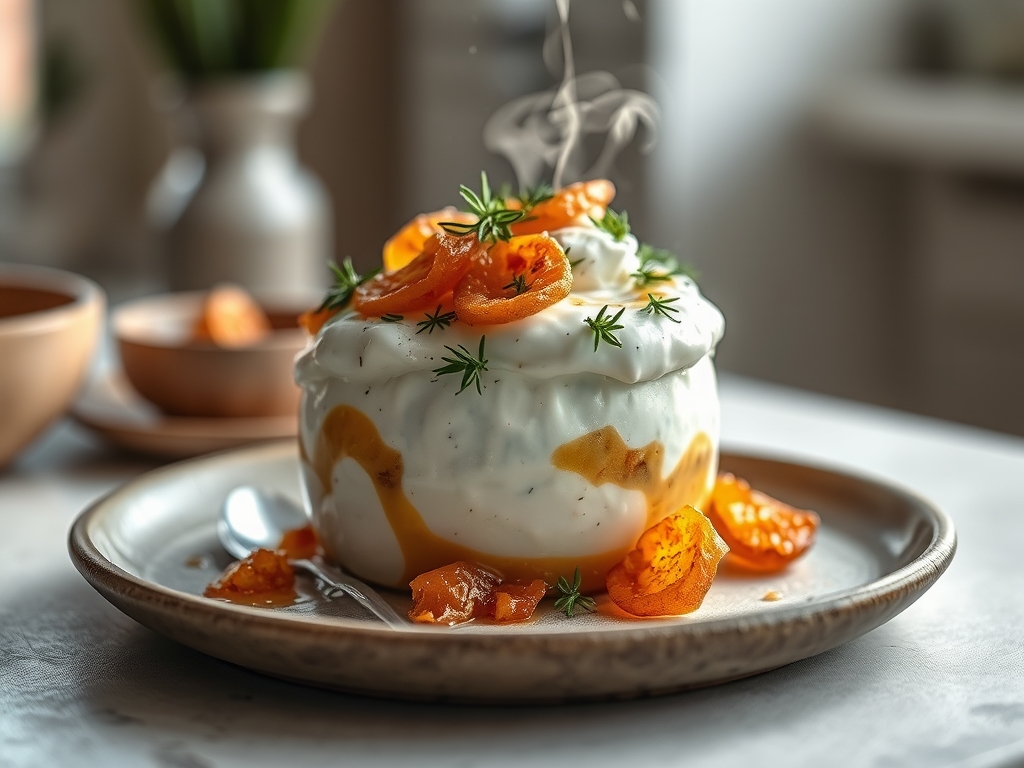
Look at the Masterclass photo. Notice the distinct, sharp lines between the white yogurt and the deep purples of the berries. If your layers are blurring, your yogurt is too thin or your fruit is too wet. Use the bench scraper method to clean the inside of the glass if you smudge the yogurt during assembly. If the granola looks pale, it lacks the Maillard reaction depth required for a complex flavor profile. A quick flash-toast in a dry skillet will deepen the color to a rich mahogany. Dull berries can be revived with a light brush of simple syrup to provide a high-gloss finish that catches the light, just like the professional audit image above.
THE DEEP DIVE
Macro Nutrition Profile
A standard serving as outlined provides approximately 28g of protein, 45g of carbohydrates, and 12g of healthy fats. The high protein content from the Greek yogurt ensures satiety, while the fiber in the berries and oats provides a sustained energy release. This is the definition of layered kinetic nutrition.
Dietary Swaps
- Vegan: Substitute Greek yogurt with a high-protein almond or soy-based Greek-style alternative. Use agave nectar instead of honey.
- Keto: Replace granola with toasted pecans, walnuts, and pumpkin seeds. Swap the berries for blackberries, which have a lower glycemic load.
- GF: Ensure your granola is certified gluten-free, or use a mix of toasted buckwheat and puffed quinoa.
Meal Prep & Reheating Science
Never reheat a parfait; the molecular structure of the yogurt will break, resulting in a grainy, separated mess. For meal prep, use the "Dry-Cap" method. Fill your jars with yogurt and fruit, then place a small piece of parchment paper on top before adding the granola. This creates a physical barrier that keeps the crunch intact for up to 48 hours in a 4C / 40F environment.
THE KITCHEN TABLE
Why is my yogurt watery after one day?
This is syneresis. The protein structure is straining under its own weight. Stir it back in for a quick fix, or strain it longer before assembly to create a more stable, dense matrix that resists liquid separation.
Can I use frozen berries?
Frozen berries are acceptable but require a different protocol. Thaw them in a sieve first to remove excess liquid. If added frozen, they will release water as they melt, turning your parfait into a soggy, purple soup.
What is the best granola for texture?
Look for "cluster" varieties that use egg whites or honey as a binder. These provide a superior "snap" and resist moisture absorption better than loose, flat oat flakes. Structural integrity is the priority here.
How do I make it less tart?
If the piquant nature of the yogurt is too aggressive, whisk in a tablespoon of heavy cream or mascarpone. This increases the fat content and coats the tongue, effectively neutralizing the sharp acidic bite of the fermentation.