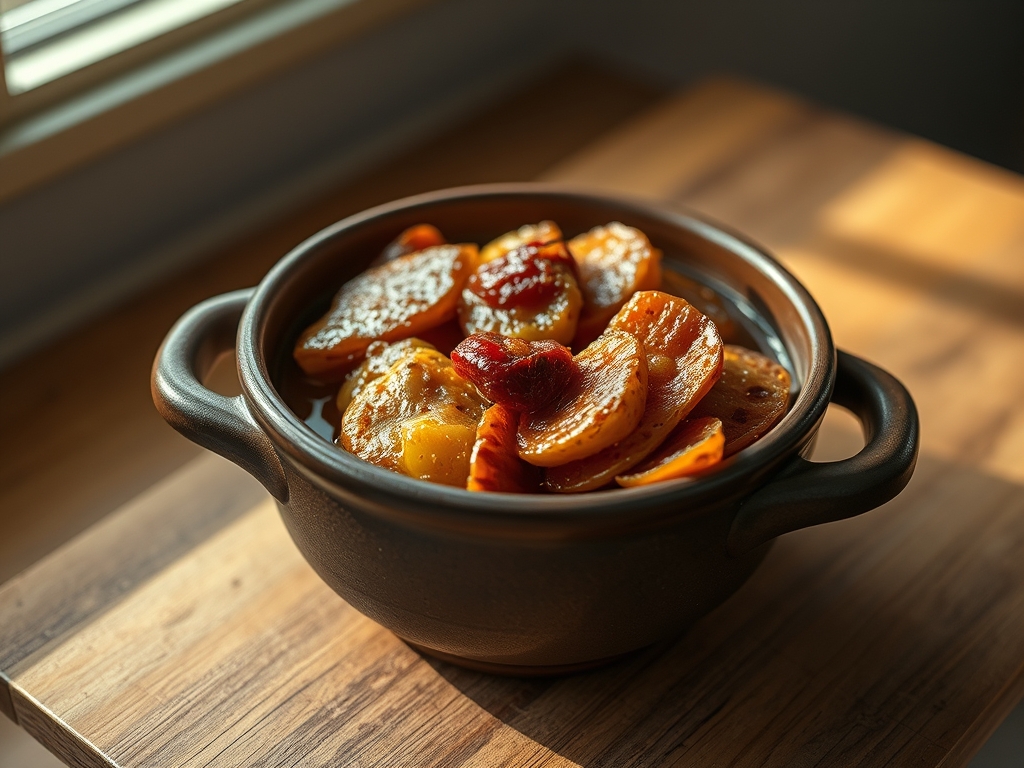
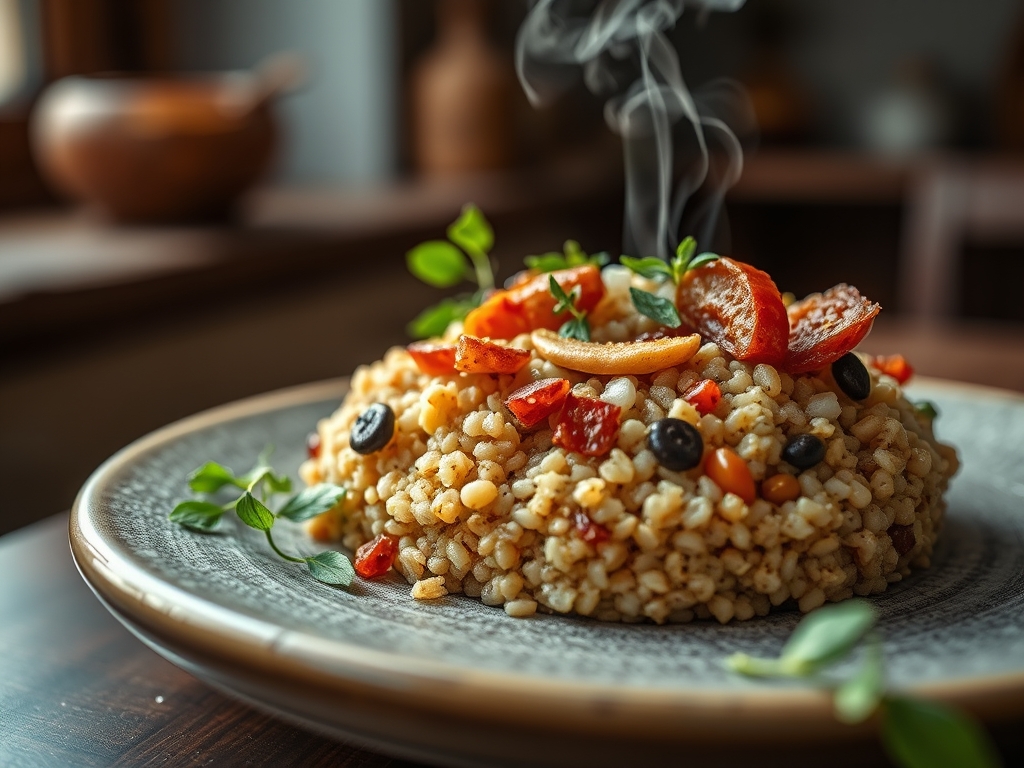
Listen closely because your pantry is currently a wasteland of untapped kinetic potential. We are moving beyond the era of limp salads and uninspired grains. Today, we initiate a full-scale structural overhaul of your midday fuel source. The Quinoa Energy Bowl is not just a meal; it is a high-performance delivery system for complete amino acid profiles and slow-burn complex carbohydrates. Imagine the crunch of flash-seared vegetables meeting the fluffy, nutty resistance of perfectly hydrated pseudocereals. We are looking for a symphony of textures where the viscous dressing binds every component into a unified caloric engine. When you construct this bowl, you are not just cooking. You are engineering a biological advantage. The goal is a dish that provides sustained mental clarity without the dreaded post-lunch glycemic crash. We will utilize thermal precision and mechanical agitation to transform humble seeds into a masterpiece of culinary infrastructure. Prepare to audit your technique and elevate your standards. The era of mediocre lunches ends here.
THE DATA MATRIX
| Metric | Specification |
|---|---|
| Prep Time | 15 Minutes |
| Execution Time | 20 Minutes |
| Yield | 4 Units |
| Complexity | 4/10 |
| Estimated Cost per Serving | $3.75 USD |
THE GATHERS
Ingredient Protocol:
- 250g / 1.25 cups Uncooked Tri-Color Quinoa
- 500ml / 2 cups Filtered Water or Vegetable Stock
- 200g / 1 large Sweet Potato (diced into 1cm cubes)
- 150g / 1 bunch Lacinato Kale (destemmed and massaged)
- 60ml / 4 tbsp Extra Virgin Olive Oil
- 30ml / 2 tbsp Tahini (high-viscosity)
- 15ml / 1 tbsp Fresh Lemon Juice
- 5g / 1 tsp Smoked Paprika
- 2g / 0.5 tsp Sea Salt
- 100g / 0.75 cup Cooked Chickpeas (dried and crispy)
Section A: Ingredient Quality Audit:
If your quinoa smells dusty or bitter, you have failed at the procurement stage. This bitterness is caused by saponins, a natural soapy coating. The fix is a high-pressure rinse in a fine-mesh sieve until the water runs crystal clear. If your tahini has separated into a concrete-like sediment and a slick oil layer, do not simply pour off the top. Use a mini-whisk or immersion blender to re-emulsify the fats. Sub-par kale that feels tough can be salvaged through mechanical breakdown. Sprinkle it with salt and lemon juice, then use your hands to aggressively massage the leaves until the cellular walls collapse and the color deepens to a vibrant forest green.
THE MASTERCLASS
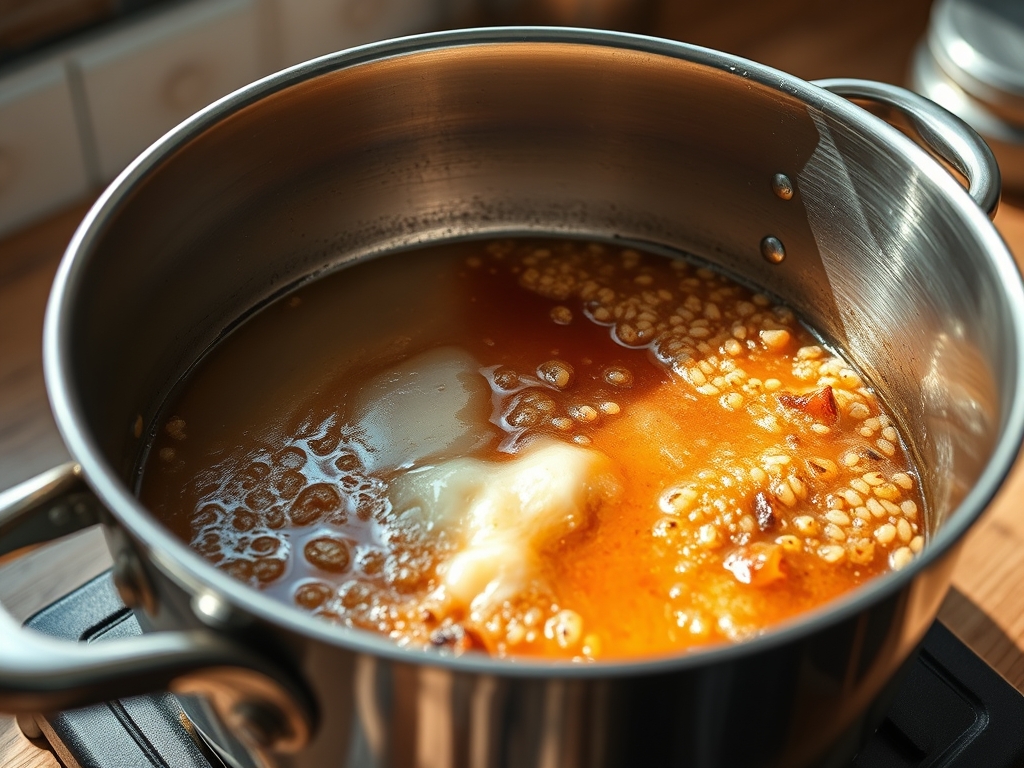
1. Thermal Hydration of the Base
Combine your rinsed quinoa and liquid in a heavy-bottomed saucier. Bring to a rapid boil, then reduce to a simmer and cover tightly. The goal is to allow the seeds to absorb the moisture through capillary action without scorching the bottom.
Pro Tip: Use a digital scale to measure your liquid by weight rather than volume. Water weighs exactly 1g per 1ml. This precision ensures your quinoa is fluffy rather than a waterlogged paste.
2. Maillard Reaction Optimization
Toss your diced sweet potatoes in olive oil and paprika. Spread them in a single layer on a preheated baking sheet. Roast at 200C (400F) until the edges show significant browning. This is the Maillard reaction at work, converting starches into complex sugars.
Pro Tip: Use a metal bench scraper to flip the potatoes halfway through. This tool allows you to clear the pan surface efficiently, ensuring even heat distribution and preventing the vegetables from steaming in their own moisture.
3. Emulsifying the Liquid Gold
In a small glass bowl, combine the tahini, lemon juice, and a splash of warm water. Whisk vigorously. Initially, the mixture may "seize" and become thick, but continued agitation will aerate the fats and create a smooth, pourable dressing.
Pro Tip: A piquant dressing requires balance. If the tahini is too bitter, add a drop of maple syrup to counteract the tannins without overwhelming the savory profile.
4. Structural Assembly
Once the quinoa has absorbed all liquid, remove from heat and let it sit covered for five minutes. Use a fork to fluff the grains, then fold in the massaged kale. The residual heat will slightly wilt the greens without destroying their enzymatic integrity.
Pro Tip: Use a thermometer to ensure your quinoa has reached an internal temp of 98C (208F) before pulling it off the heat. This guarantees the germ has fully "popped" and the texture is optimal.
Section B: Prep & Timing Fault-Lines:
The most common failure in this workflow is the "Soggy Bottom" syndrome. This occurs when roasted vegetables are added to the bowl while they are still venting steam. This moisture migrates into the quinoa, destroying the grain separation. Allow your roasted elements to rest for three minutes on a wire rack before assembly. Another critical error is over-boiling the quinoa. If the seeds look like mush, you have ruptured the starch granules. To fix this, spread the overcooked quinoa on a sheet pan and place it in a low oven for five minutes to evaporate excess surface moisture.
THE VISUAL SPECTRUM
Section C: Thermal & Visual Troubleshooting:
Referencing the Masterclass photo above, notice the distinct separation of the quinoa grains and the charred, caramelized edges of the sweet potatoes. If your bowl looks monochromatic or dull, you have likely under-seasoned or over-steamed your vegetables. A vibrant Quinoa Energy Bowl should pop with color. If your kale looks grey, you have applied too much heat for too long. To restore visual impact, infuse the dish with a handful of fresh herbs or a sprinkle of pomegranate seeds. If the tahini dressing looks broken or oily on the surface, it lacks a proper emulsion. Add a teaspoon of warm water and whisk until it regains a creamy, opaque consistency.
THE DEEP DIVE
Macro Nutrition Profile:
This bowl is a powerhouse of balanced macros. A single serving provides approximately 18g of complete protein, 12g of healthy fats (primarily monounsaturated), and 14g of dietary fiber. It is rich in manganese, magnesium, and phosphorus, which are essential for ATP production and bone density.
Dietary Swaps:
- Vegan: Already compliant. Ensure your tahini is pure sesame.
- Keto: Quinoa is too high in carbs for strict keto. Swap the quinoa for riced cauliflower and increase the tahini and avocado portions.
- GF: Quinoa is naturally gluten-free; just ensure your spices are not processed in a facility with wheat.
Meal Prep & Reheating Science:
Quinoa holds its molecular structure remarkably well when refrigerated. To reheat, avoid the microwave if possible, as it can cause the kale to become viscous and slimy. Instead, use a non-stick skillet over medium heat with a teaspoon of water. Cover the pan to create a steam-chamber effect. This re-hydrates the starch molecules without making the base soggy.
THE KITCHEN TABLE
Why is my quinoa always bitter?
You are skipping the rinse cycle. Quinoa is coated in saponins to deter pests. Use a fine-mesh strainer and cold running water for sixty seconds. Rub the seeds together to mechanically strip the bitter coating away before cooking.
Can I use white quinoa instead of tri-color?
Yes, but you sacrifice structural integrity. White quinoa is softer and cooks faster. Red and black varieties have a thicker bran coat, providing a superior "snap" when bitten. Tri-color offers the best textural diversity for an energy bowl.
My dressing turned into a thick paste. Help!
Tahini is high in fat and protein. When acid like lemon juice is added, it can cause the proteins to clump. Slowly whisk in a tablespoon of warm water. The heat helps the fats flow and restores the emulsion.
How do I get the chickpeas actually crunchy?
Moisture is the enemy of the crunch. Pat your canned chickpeas bone-dry with a paper towel. Remove any loose skins. Roast them at high heat until they rattle on the pan. Only season them after they come out of the oven.