The air in a high-performance kitchen is not merely oxygen; it is a pressurized medium for volatile organic compounds. When you bruise a sprig of fresh Rosmarinus officinalis, you are not just prepping a garnish. You are initiating a mechanical rupture of the glandular trichomes to release 1,8-cineole and alpha-pinene. This is the foundation of Rosemary Infused Water. We are moving beyond the pedestrian concept of "flavored hydration" and entering the realm of cognitive optimization. Most home cooks treat infusion like a passive hobby, but we are going to treat it like a laboratory extraction. We want a liquid that is crisp, herbaceous, and structurally sound. If your water tastes like a dusty spice cabinet, your extraction parameters are skewed. We are aiming for a profile that is sharp and piquant, cutting through the mental fog with the precision of a laser-honed chef's knife. Prepare to recalibrate your sensory baseline as we engineer the ultimate aromatic solvent.
THE DATA MATRIX
| Metric | Specification |
|---|---|
| Prep Time | 5 Minutes |
| Execution Time | 20 Minutes (plus cooling) |
| Yield | 1 Liter / 4.2 Cups |
| Complexity (1-10) | 2 |
| Estimated Cost per Serving | $0.45 |
THE GATHERS
Ingredient Protocol:
- 1000ml / 4.2 cups Filtered Alkaline Water
- 15g / 4-5 Large Sprigs Fresh Organic Rosemary
- 2g / 0.5 tsp Citric Acid or 15ml / 1 tbsp Fresh Lemon Juice
- 50g / 0.25 cup Sliced English Cucumber (Optional for hydration synergy)
- 2g / 1 pinch High-Mineral Sea Salt
Section A: Ingredient Quality Audit:
The primary failure point in Rosemary Infused Water is the age of the botanical. If your rosemary needles are brittle, grey, or shedding upon contact, the essential oils have already oxidized. You will be left with a woody, bitter tannin profile rather than the bright, piney notes we require. To fix this, perform a "snap test." If the stem bends without a clean break, it is too hydrated and likely lacks concentrated oils. Use only vibrant, needle-dense sprigs. Furthermore, the water quality is non-negotiable. Tap water containing high chlorine levels will bind with the rosemary terpenes, creating a medicinal "swimming pool" aftertaste. Always use a carbon-filtered or reverse osmosis source to ensure a neutral canvas for the infusion.
THE MASTERCLASS
Step 1: Thermal Priming and Mineral Balancing
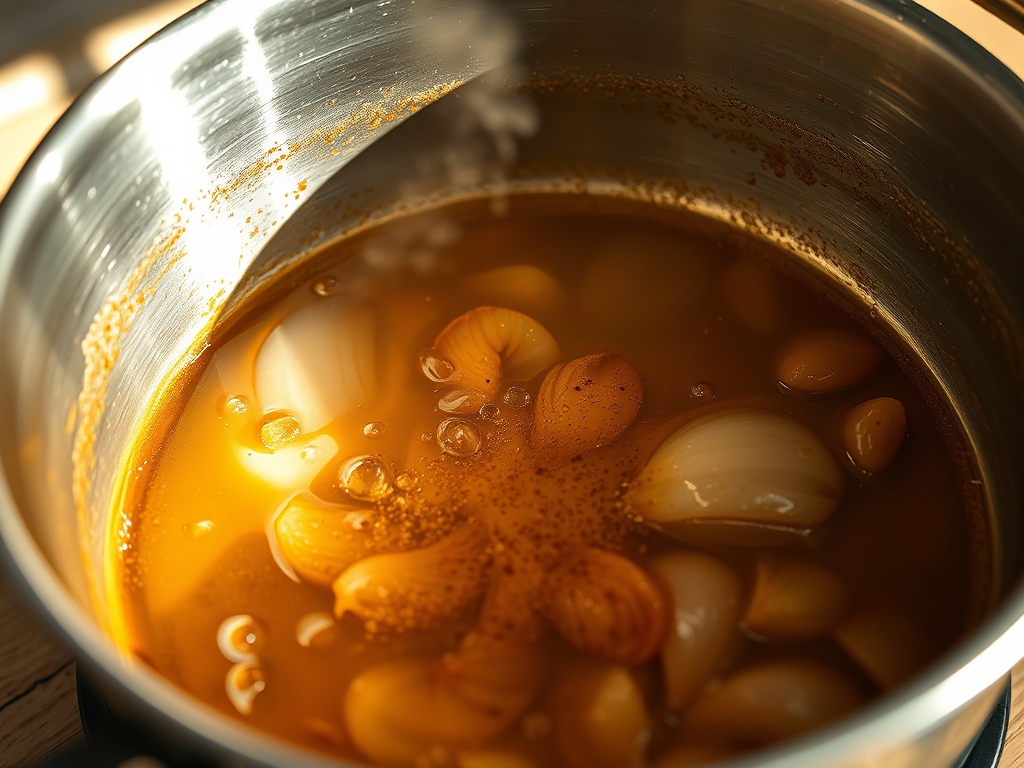
Begin by placing your filtered water into a high-grade stainless steel saucier. We are not looking for a rolling boil; we are targeting the "shrimp eye" stage of heating, roughly 80 degrees Celsius. Add your sea salt now. The sodium ions act as a flavor bridge, reducing the perception of bitterness while enhancing the aromatic volatility of the herbs.
Pro Tip: Use a calibrated digital scale to measure your salt and herbs. Volumetric measurements are for amateurs; mass-based measurements ensure that your Rosemary Infused Water has a consistent molecular density every time you execute the protocol.
Step 2: Mechanical Bruising and Terpene Activation
While the water heats, take your rosemary sprigs and place them on a clean workstation. Use the flat side of a heavy chef's knife or a stainless steel bench scraper to firmly press down on the needles. You want to hear a faint crackling sound. This is the physical destruction of the plant's cell walls, allowing the oils to infuse into the solvent more efficiently.
Pro Tip: Do not over-bruise. If you pulverize the rosemary into a paste, you will release excess chlorophyll, which will turn your water a swampy green and introduce a grassy, unpleasant flavor profile. Aim for "controlled trauma."
Step 3: The Steep and Flash Cool
Submerge the bruised rosemary into the hot water and immediately remove the saucier from the heat source. Cover the vessel with a tight-fitting lid to prevent the aromatic steam from escaping. Let this sit for exactly 15 minutes. After the timer sounds, use a fine-mesh chinois to strain the liquid into a glass carafe already filled with a few ice cubes to "flash cool" the mixture.
Pro Tip: Covering the vessel is essential for "terpene capture." If you leave the pot open, the most delicate aromatic notes will evaporate into the room, leaving you with a flat, one-dimensional beverage.
Section B: Prep & Timing Fault-Lines:
The most common error is "over-extraction." If you leave the rosemary in the water for hours at room temperature, the liquid becomes increasingly viscous and bitter as heavier tannins leach out. If you miss your 15-minute window, the water will take on a soapy texture. If your timing is off, dilute the over-extracted concentrate with 25% fresh cold water and a squeeze of lemon to reset the pH balance. Temperature control is equally vital; boiling the rosemary will "cook" the oils, resulting in a flavor reminiscent of roasted chicken rather than a refreshing beverage.
THE VISUAL SPECTRUM
Section C: Thermal & Visual Troubleshooting:
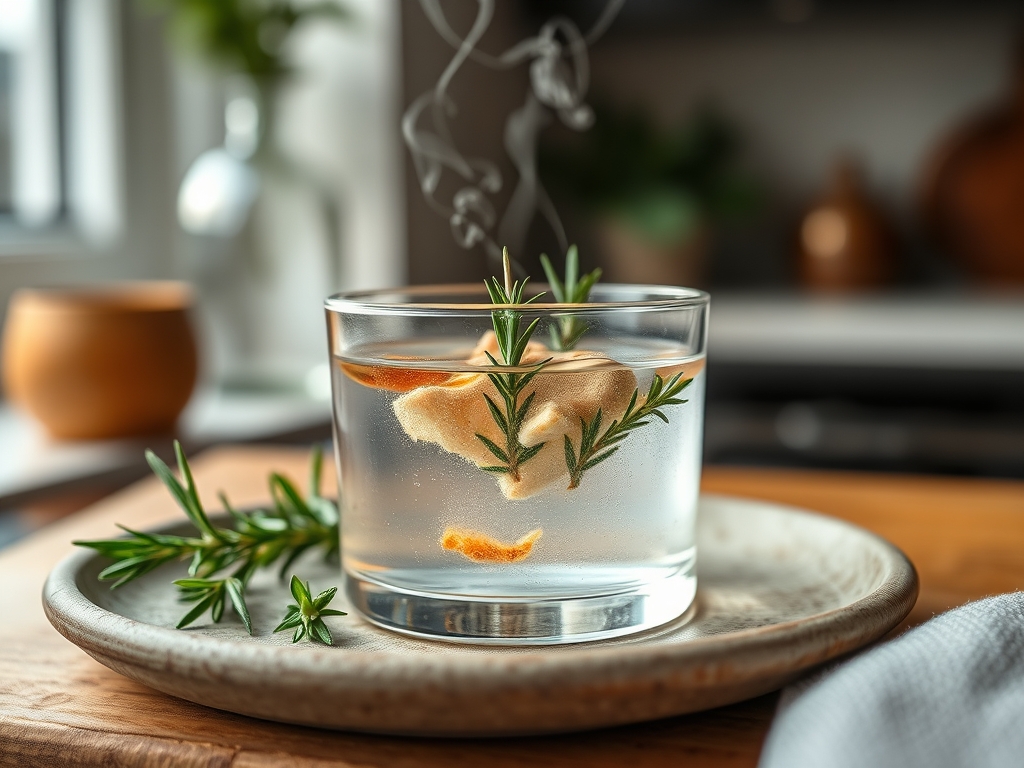
Look at the Masterclass photo above. Notice the clarity of the liquid. It should be nearly transparent with a faint, pale straw-colored tint. If your water looks cloudy, you likely used tap water with high mineral "hardness" or you squeezed the rosemary sprigs too hard during the straining process. If the rosemary needles in the glass look brown or wilted, they were exposed to heat for too long. For the best visual impact, use a fresh, un-bruised sprig for the final presentation. The needles should stand upright and look "turgid" and hydrated. If your infusion looks dull, a tiny pinch of citric acid will act as a brightener, shifting the pH to a range that preserves the vibrant green hues of the garnish.
THE DEEP DIVE
Macro Nutrition Profile:
This beverage is a metabolic "zero-point" entry. It contains negligible calories, fats, or carbohydrates. However, it is rich in phytochemicals like rosmarinic acid and carnosic acid. These compounds are being studied for their ability to inhibit the breakdown of acetylcholine, a neurotransmitter vital for memory and focus.
Dietary Swaps:
- Vegan/Keto/GF: Naturally compliant.
- Sparkling Variant: Replace 50% of the still water with highly carbonated mineral water after the infusion has cooled. The CO2 bubbles will aerate the aromatics, delivering them directly to your olfactory receptors.
- Sweetened: If you require a glucose spike, use a 1:1 ratio of monk fruit sweetener or a light agave nectar to maintain a low-glycemic index.
Meal Prep & Reheating Science:
Rosemary Infused Water is best consumed within 48 hours. Beyond this window, the molecular structure begins to degrade through oxidation. If you must store it, use an airtight amber glass bottle to protect the terpenes from UV light. Never reheat this mixture; the secondary heating phase will destroy the delicate aromatic profile and leave you with a bitter, unpalatable liquid.
THE KITCHEN TABLE
How long does Rosemary Infused Water last in the fridge?
It remains peak-functional for 48 hours. After that, the aromatics begin to oxidize and the flavor shifts from "piney" to "musty." Always store in a sealed glass container to prevent the absorption of "fridge odors."
Can I use dried rosemary for this recipe?
You can, but the results will be inferior. Dried rosemary has lost most of its volatile oils. If you must use it, reduce the quantity by half and expect a woodier, less vibrant flavor profile.
Is it safe to drink rosemary water every day?
For most people, yes. It is a fantastic hydration tool. However, because rosemary is a potent botanical, those who are pregnant or on specific blood-thinning medications should consult a medical professional before high-volume daily consumption.
Why does my rosemary water taste like soap?
This is usually a sign of over-extraction or using too much rosemary. If the sprigs sit in the water for over 20 minutes, they release saponins and heavy tannins that create a slick, soapy mouthfeel. Stick to the 15-minute limit.