The kitchen is not a sanctuary; it is a high-performance laboratory where the objective is cognitive optimization. Forget the concept of breakfast as a leisurely ritual. We are here to execute the Egg Choline Protocol, a systematic approach to bioavailability that transforms humble poultry ova into a potent acetylcholine precursor. Imagine the sizzle as the pan hits the exact thermal threshold. The smell of browning lipids fills the air while the proteins begin their intricate dance of denaturation. This is about more than flavor. It is about the structural integrity of the yolk and the precise coagulation of the whites. We are targeting a state of perfect suspension where the nutrients are preserved and the texture is sublime. Every movement must be calculated. Every gram must be accounted for. When you crack that shell, you are initiating a chemical sequence that demands total focus. If you want a sluggish morning, go find a bowl of cereal. If you want to ignite your neural pathways, follow the protocol.
THE DATA MATRIX
| Metric | Specification |
|---|---|
| Prep Time | 5 Minutes |
| Execution Time | 8 Minutes |
| Yield | 1 Serving |
| Complexity (1-10) | 4 |
| Estimated Cost per Serving | $2.15 |
THE GATHERS
Ingredient Protocol:
- 3 Large Pasture-Raised Eggs (150g / 5.3 oz)
- Unsalted Grass-Fed Butter (14g / 1 tbsp)
- Heavy Cream or Full-Fat Milk (15ml / 1 tbsp)
- Fine Sea Salt (1.5g / 0.25 tsp)
- Freshly Cracked Black Pepper (0.5g / 0.125 tsp)
- Chives, finely minced (5g / 1 tbsp)
- Sourdough Bread, thick-cut (45g / 1 slice)
Section A: Ingredient Quality Audit:
The primary failure point in the Egg Choline Protocol is the age of the albumen. Older eggs possess thin, watery whites that spread aggressively and fail to aerate properly. If your eggs lack viscosity, add a half-teaspoon of lemon juice to the mixture; the acidity helps stabilize the protein network. Furthermore, ensure your butter is high-fat European style. Low-quality butter contains excess water that will steam your eggs rather than render a silky mouthfeel. If the butter smells cheesy or "off," the volatile fatty acids have oxidized; discard it immediately to avoid a piquant but unpleasant aftertaste.
THE MASTERCLASS
1. The Homogenization Phase
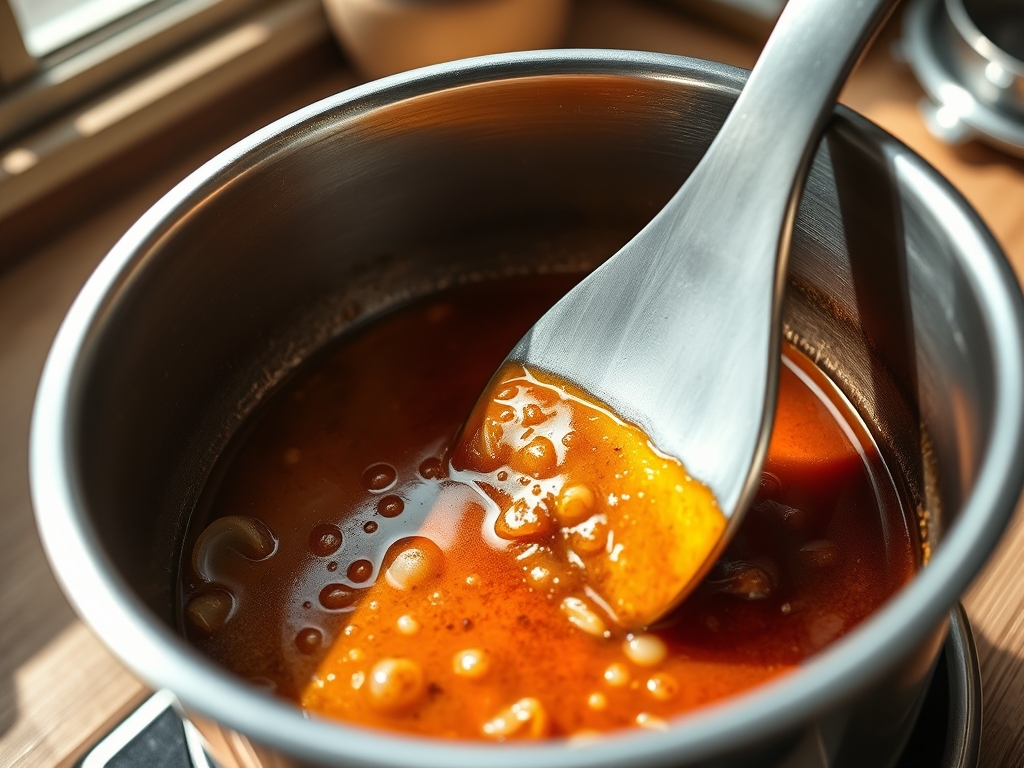
Crack your eggs into a stainless steel mixing bowl placed on a digital scale to ensure precise mass. Add the heavy cream and salt. Use a whisk to vigorously beat the mixture until no streaks of white remain and the liquid is perfectly uniform.
Pro Tip: This step is about mechanical shearing. By breaking the sulfur bonds in the whites before they hit the heat, you ensure a more tender curd. Using a scale avoids the "eyeballing" error that leads to inconsistent salt distribution.
2. Thermal Calibration
Place a heavy-bottomed saucier or non-stick skillet over medium-low heat. Add the butter and watch for the "foaming" stage. Once the foam subsides but before the solids turn brown, the pan is ready.
Pro Tip: The foaming is the evaporation of water. Once it stops, the temperature is roughly 212 degrees Fahrenheit (100 Celsius). This is the "Goldilocks zone" for the Egg Choline Protocol; any hotter and the proteins will toughen instantly.
3. Controlled Coagulation
Pour the egg mixture into the center of the pan. Let it sit for exactly ten seconds to establish a base layer. Using a silicone spatula or a bench scraper, begin moving the eggs from the edges toward the center in long, sweeping motions.
Pro Tip: This technique creates "ribbons" of curd. By constantly moving the uncooked liquid onto the hot surface, you maximize surface area contact without overcooking the bottom layer.
4. The Residual Heat Finish
When the eggs look 80 percent set and slightly viscous, remove the pan from the heat entirely. Fold in the chives and black pepper. The internal energy of the mass will finish the cooking process on the plate.
Pro Tip: This is the "carry-over cooking" principle. If the eggs look finished in the pan, they will be dry on the plate. Professional chefs always pull the pan early to maintain a custardy, moist profile.
Section B: Prep & Timing Fault-Lines:
Human error usually manifests as "The Pan-Sear Panic." If you see steam rising aggressively, your thermal management has failed. Immediately lift the pan off the burner to drop the temperature. If the eggs are sticking, your pan was either too cold when you added the fat, or the surface tension was compromised by a lack of cleanliness. Always use a dedicated egg pan that has never seen the abrasive side of a sponge.
THE VISUAL SPECTRUM
Section C: Thermal & Visual Troubleshooting:
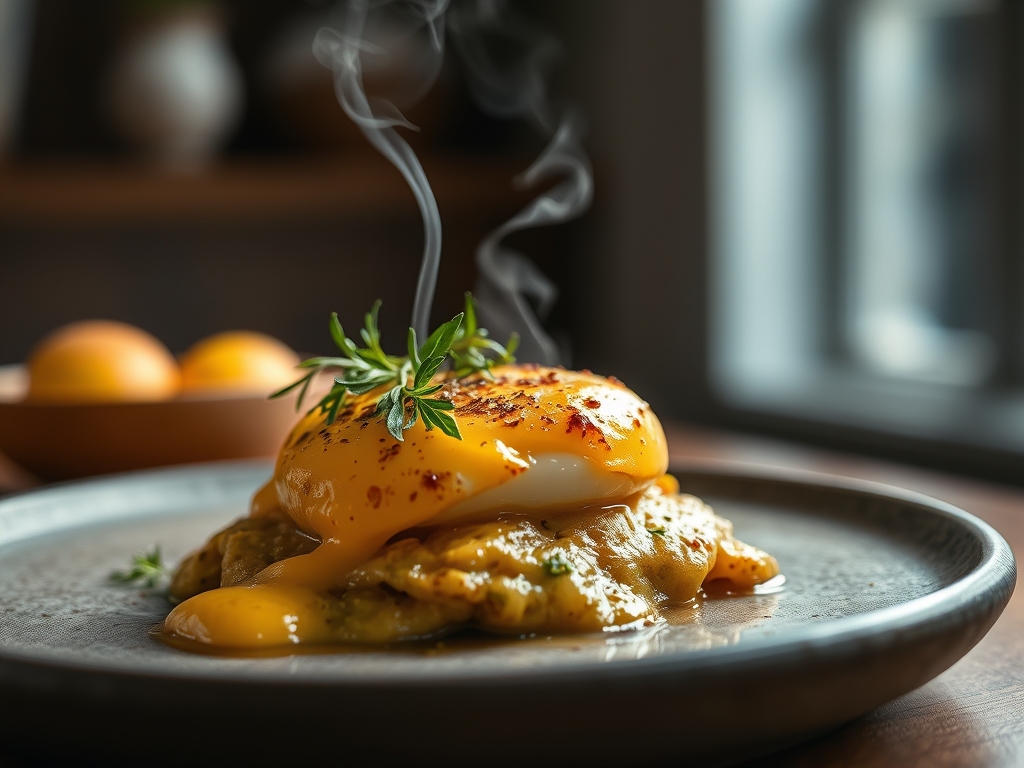
Referencing the protocol image, notice the soft, pillowy folds and the lack of any brown "lace" on the edges. If your eggs show brown spots, you have triggered the Maillard reaction prematurely; while tasty on a steak, it signals a loss of moisture in eggs. If the color is dull or grayish, you likely added the pepper too early, allowing the piperine to bleed into the whites. For a vibrant, golden hue, ensure you are using pasture-raised yolks which are higher in carotenoids. If the dish looks "weepy" with liquid pooling at the bottom, the proteins have over-coagulated and squeezed out the moisture; reduce your heat by 15 percent next time.
THE DEEP DIVE
Macro Nutrition Profile
A single execution of the Egg Choline Protocol yields approximately 240 calories, 18g of protein, 17g of fat, and less than 2g of carbohydrates. Most importantly, it delivers roughly 300mg of choline, hitting over 50 percent of the daily recommended intake for cognitive maintenance.
Dietary Swaps
- Vegan: Replace eggs with a mung-bean-based substitute and use coconut oil. Note that the choline profile will be significantly lower.
- Keto: Eliminate the sourdough toast and increase the butter to 28g to boost the lipid-to-protein ratio.
- GF: Utilize a high-density gluten-free bread or serve over a bed of sautéed spinach to infuse the dish with extra magnesium.
Meal Prep & Reheating Science
Eggs are notoriously difficult to reheat because the microwave vibrates water molecules, causing the protein lattice to tighten into a rubbery mess. If you must reheat, use a double boiler method. This indirect heat gently warms the lipids without shattering the delicate protein bonds, preserving the molecular structure of the yolk.
THE KITCHEN TABLE
How do I get the eggs so creamy without extra fat?
The secret is constant agitation. By using a saucier and stirring continuously, you break down the curds into smaller pieces. This creates a natural emulsion between the fats and the proteins, resulting in a velvet-like texture.
Can I use a whisk in the pan?
Only if you are using a stainless steel pan and are prepared for a high-intensity cleanup. A silicone whisk is acceptable, but a spatula allows for the folding motion that creates those iconic, broad ribbons seen in the protocol.
Why add salt at the beginning?
Salt acts as a stabilizer. It reduces the temperature at which the proteins begin to bond, allowing for a slower, more controlled thickening process. This prevents the "rubbery" texture associated with high-heat, unseasoned eggs.
Is pasture-raised really necessary?
From a data perspective, yes. Pasture-raised eggs contain significantly higher levels of Omega-3 fatty acids and Vitamin E. If you are optimizing for brain health and choline delivery, the raw material quality is non-negotiable.