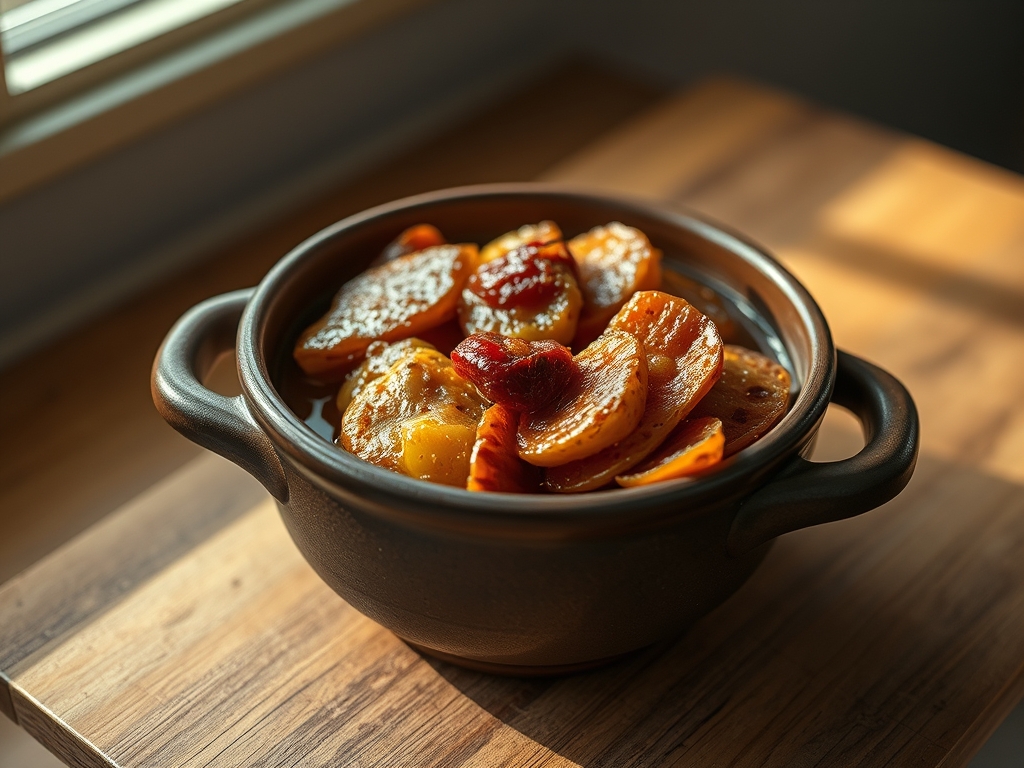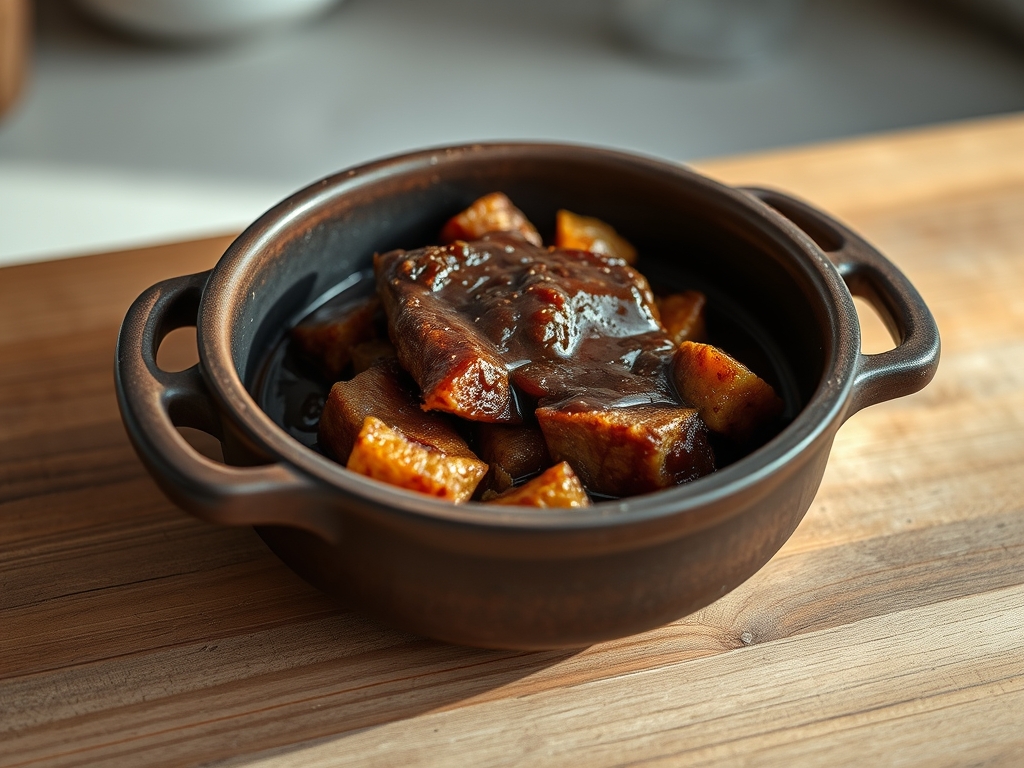
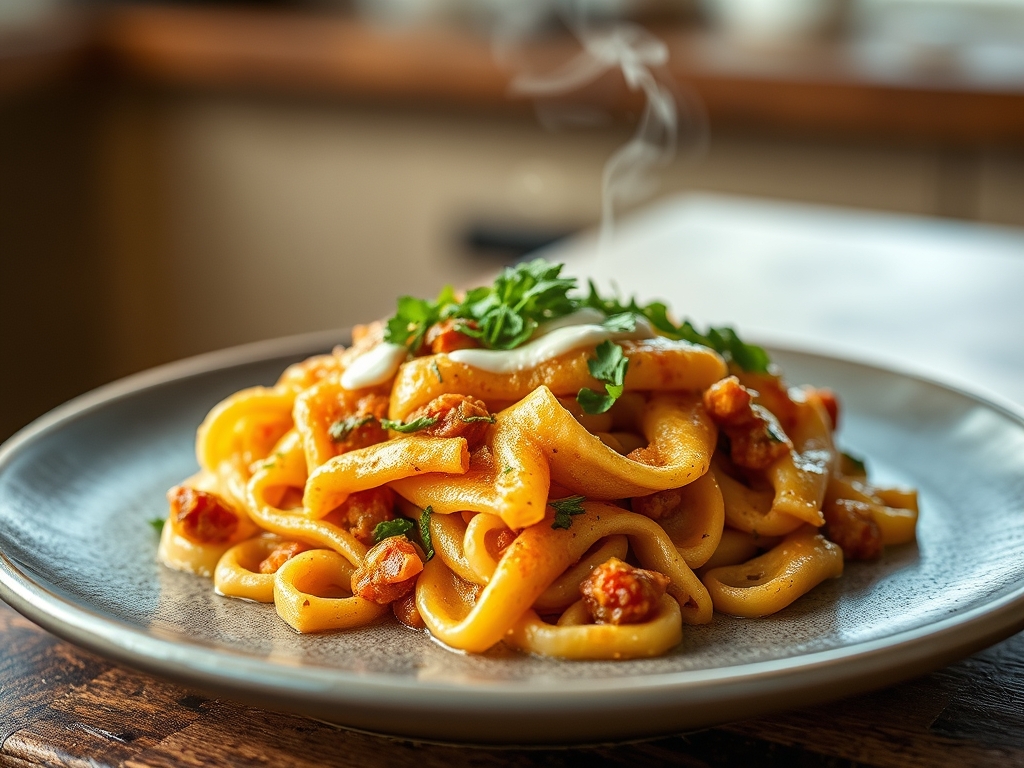
The scent of bubbling mozzarella and scorched tomato sugars is not merely a dinner bell; it is a siren song for the weary and the underprepared. When the clock strikes eighteen hundred hours and the pantry looks like a ghost town, you do not panic. You deploy the Emergency Pasta Bake. This is the tactical response to a low-inventory crisis, a culinary maneuver designed to transform dry semolina and shelf-stable aromatics into a structural masterpiece of comfort. We are looking for a specific textural contrast: the snap of a perfectly hydrated gluten matrix against the yielding, viscous embrace of a high-fat dairy emulsion. This is not a haphazard toss of leftovers into a ceramic dish. It is an exercise in heat management and moisture retention. We are engineering a dish that must survive the intense thermal radiation of the broiler while maintaining a tender, al dente interior. Every component, from the acidity of the pomodoro to the Maillard reaction on the crust, is a calculated move in the game of domestic survival.
THE DATA MATRIX
| Metric | Specification |
|---|---|
| Prep Time | 10 Minutes |
| Execution Time | 25 Minutes |
| Yield | 6 Servings |
| Complexity (1-10) | 3 |
| Estimated Cost per Serving | $1.45 USD |
THE GATHERS
Ingredient Protocol:
- 454g / 1 lb Dried Penne or Rigatoni
- 710ml / 24 oz Marinara or Pomodoro Sauce
- 475ml / 2 cups Shredded Low-Moisture Mozzarella
- 60ml / 1/4 cup Grated Parmesan Reggiano
- 15ml / 1 tbsp Extra Virgin Olive Oil
- 3g / 1 tsp Dried Oregano
- 2 cloves / 10g Fresh Garlic (minced)
- 2g / 1/2 tsp Red Pepper Flakes (to infuse)
Section A: Ingredient Quality Audit:
If your dried pasta lacks the rough, dusty surface of bronze-die extrusion, the sauce will slide off rather than cling. To fix this, reduce your boiling water volume slightly to increase starch concentration; this creates a natural binder. If your cheese is pre-shredded and coated in cellulose, it will resist melting into a cohesive sheet. Counteract this by tossing the cheese with a teaspoon of heavy cream before baking to rehydrate the proteins. If your sauce is overly acidic, do not just dump sugar into it. Instead, stir in a small knob of unsalted butter to emulsify and mellow the sharp pH levels through fat-soluble masking.
THE MASTERCLASS
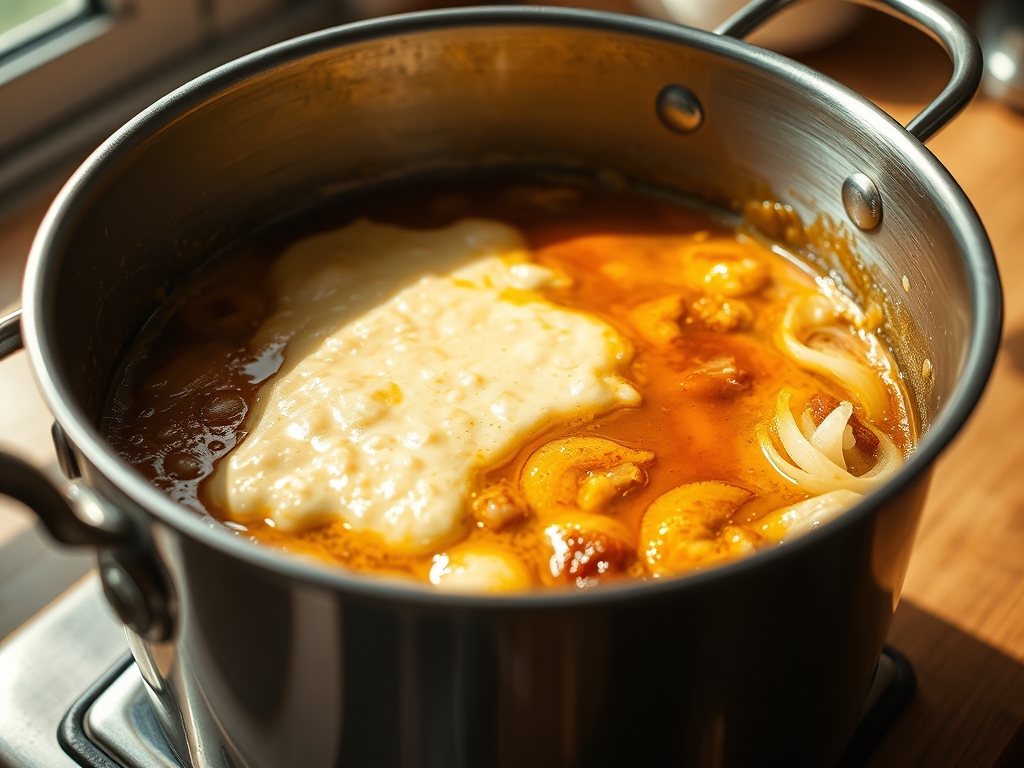
1. Hydration and Par-Boiling
Bring 4 liters of water to a rolling boil and season with 30g of kosher salt. Use a digital scale to ensure accuracy. Drop the pasta and cook for exactly two minutes less than the package instructions.
Pro Tip: This technique, known as "undercooking for carry-over," ensures the pasta absorbs the sauce during the baking phase rather than becoming a mushy, over-hydrated mess. The saucier or pot should be large enough to allow the pasta to move freely, preventing starch clumping.
2. The Aromatic Infusion
While the pasta boils, heat olive oil in a small skillet. Add the minced garlic and red pepper flakes. Sauté until the garlic begins to render its pungency into the oil, turning a pale golden hue.
Pro Tip: Fat is a flavor carrier. By infusing the oil with aromatics before mixing it into the sauce, you ensure the piquant notes of the garlic are distributed evenly throughout the entire molecular structure of the bake rather than trapped in isolated pockets.
3. Emulsification and Assembly
Drain the pasta, reserving 120ml of the starchy pasta water. Return the pasta to the pot and incorporate the sauce, the infused oil, and half of the cheese. Use a bench scraper to ensure no garlic bits are left on your cutting board.
Pro Tip: The reserved pasta water contains amylose, which acts as a bridge between the watery sauce and the fatty cheese. This creates a viscous coating that adheres to the gluten walls of the pasta, preventing "sauce run-off" at the bottom of the pan.
4. The Thermal Finish
Transfer the mixture to a 9×13 inch ceramic baking dish. Top with the remaining mozzarella and parmesan. Bake at 200C (400F) for 15 minutes, then switch to the broiler for the final 120 seconds.
Pro Tip: The broiler stage is where we achieve the Maillard reaction. Watch for the cheese to "leopard spot." This indicates the proteins have denatured and sugars have caramelized, providing a complex, nutty flavor profile that contrasts with the bright acidity of the tomatoes.
Section B: Prep & Timing Fault-Lines:
The most common failure is the "thermal lag." If you put a cold glass dish into a preheated oven, the center of the pasta will remain cold while the edges burn. Always ensure your sauce is at least room temperature before assembly. If you find your cheese is browning too fast, tent the dish with foil. This traps steam, which conducts heat more efficiently into the center of the mass while shielding the delicate dairy fats from direct infrared radiation.
THE VISUAL SPECTRUM
Section C: Thermal & Visual Troubleshooting:
Examine the Masterclass photo. Notice the deep mahogany edges and the vibrant, reflective sheen of the oil. If your bake looks dull or matte, you have likely over-baked it, causing the fats to break and soak into the pasta. A "broken" sauce looks oily and separated. If the cheese is white and rubbery, the oven temperature was too low; you failed to reach the 150C threshold required for browning. For a visual pop, deglaze your senses with a sprinkle of fresh green herbs post-bake to provide a color contrast against the deep reds and browns.
THE DEEP DIVE
- Macro Nutrition Profile: A standard serving provides approximately 450 calories, 18g of protein, 55g of carbohydrates, and 16g of fat. The protein content is primarily derived from the gluten in the durum wheat and the casein in the cheese.
- Dietary Swaps: For a Vegan variant, utilize a cashew-based "mozzarella" and nutritional yeast for the umami kick. For Gluten-Free, use corn or brown rice pasta, but reduce the boiling time by half, as these starches disintegrate rapidly under secondary heat. Keto enthusiasts should swap pasta for roasted cauliflower florets.
- Meal Prep & Reheating Science: To maintain molecular structure during reheating, add a splash of water before microwaving. This creates a localized steam environment that re-hydrates the starch molecules, preventing the pasta from becoming brittle and dry.
THE KITCHEN TABLE
How do I prevent the pasta from sticking?
Ensure the water is at a full boil before adding the pasta. Use a large volume of water to dilute the surface starch. Stirring vigorously during the first two minutes of hydration prevents the gluten strands from bonding prematurely.
Can I add meat to this protocol?
Absolutely. If adding ground beef or sausage, ensure you render the fat completely in a separate pan first. Deglaze the pan with a splash of red wine to capture the fond before adding the meat to the sauce.
Why is my sauce so watery after baking?
This usually occurs if the pasta was not drained sufficiently or if you used a sauce with high water content. To fix this, simmer your sauce for ten minutes to reduce and concentrate the solids before mixing.
What is the best cheese for the crust?
A combination of low-moisture mozzarella for "stretch" and Parmesan Reggiano for "structure" and salt. The mozzarella provides the elastic matrix, while the parmesan provides the crystalline texture and browning capabilities required for a professional finish.