The air in a high performance kitchen does not just carry scents; it carries data. When you drop high quality walnut halves into a preheated stainless steel pan, the immediate olfactory payload is a complex map of volatile organic compounds. We are talking about the rapid thermal degradation of amino acids and reducing sugars. This is the Maillard reaction in its most concentrated form. We are here to talk about Walnut Brain Fuel. This is not just a snack; it is a structural intervention for your cognitive architecture. The alpha-linolenic acid (ALA) found in these wrinkled drupes is a precursor to the essential fatty acids your gray matter craves. To extract maximum bio-availability, we must manipulate temperature and texture with surgical precision. Forget the dusty, bitter nuts found in the back of a pantry. We are aiming for a toasted, glass-like finish that shatters upon impact, releasing a wave of earthy, buttery lipids that coat the palate and ignite the synapses. Prepare your station. We are about to engineer perfection.
THE DATA MATRIX
| Metric | Specification |
|---|---|
| Prep Time | 10 Minutes |
| Execution Time | 15 Minutes |
| Yield | 4 Servings |
| Complexity (1-10) | 4 |
| Estimated Cost per Serving | $1.75 |
THE GATHERS
Ingredient Protocol:
- 250g / 2 cups Raw, Halved Walnuts (Organic preferred)
- 30ml / 2 tbsp Grade A Maple Syrup
- 5g / 1 tsp Smoked Paprika (Pimenton de la Vera)
- 2g / 0.5 tsp Cayenne Pepper
- 3g / 0.5 tsp Fine Sea Salt
- 15ml / 1 tbsp Extra Virgin Olive Oil
- 10g / 2 tsp Rosemary, finely minced
Section A: Ingredient Quality Audit:
The primary failure point in this protocol is rancidity. Walnuts contain high concentrations of polyunsaturated fats which are notoriously unstable. If your raw material smells like paint thinner or old crayons, the lipids have oxidized. There is no culinary salvage for rancidity; discard and source fresh. If the walnuts feel soft or rubbery, they have absorbed atmospheric moisture. To fix this, place them in a dehydrator or a low oven at 65C / 150F for twenty minutes to render out excess moisture before beginning the toast cycle. For spices, ensure your paprika is vivid red. If it looks brown, the essential oils have dissipated, and you will lose that piquant punch required to balance the heavy fats.
THE MASTERCLASS
1. Thermal Priming and Surface Prep
Set your oven to 175C / 350F. Use a digital scale to measure your dry ingredients precisely. Spread the walnuts on a heavy-gauge rimmed baking sheet. Ensure they are in a single layer with adequate headspace between each half to allow hot air to aerate the surface area.
Pro Tip: Using a heavy-gauge pan prevents warping and ensures even heat distribution. This prevents "hot spots" that lead to localized burning of the delicate walnut skin while the interior remains raw.
2. The Infusion Phase
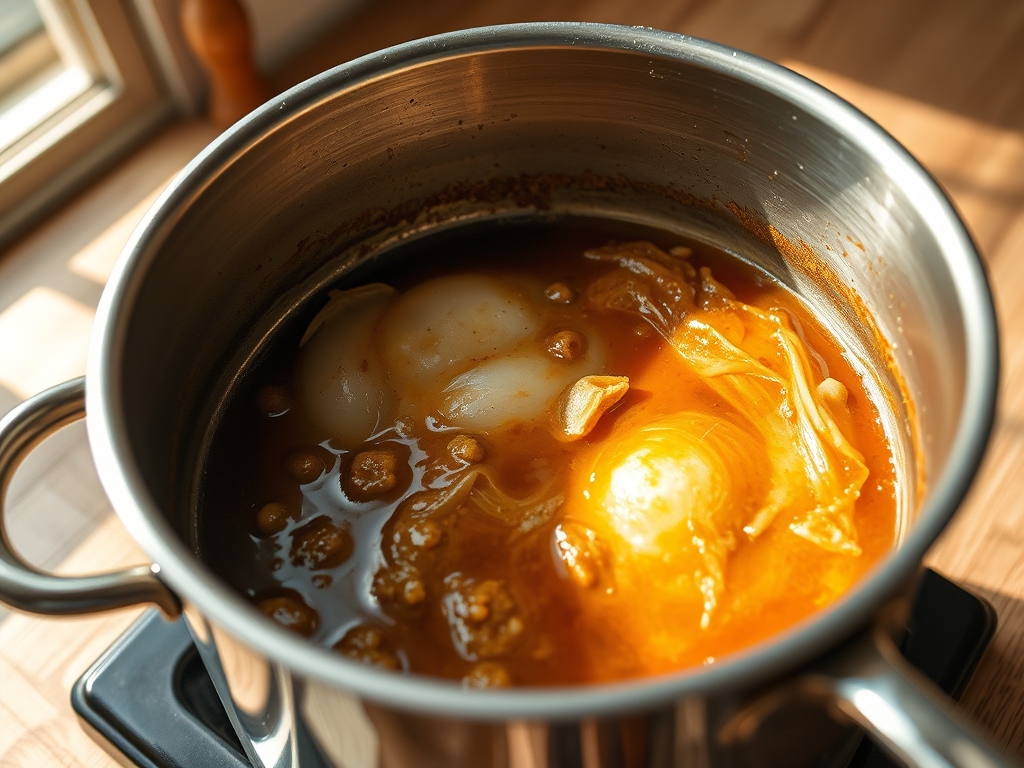
In a small stainless steel saucier, combine the maple syrup, olive oil, and spices over low heat. Whisk constantly until the mixture becomes viscous and begins to simmer slightly. This step is crucial to infuse the oil with the fat-soluble compounds in the paprika and cayenne.
Pro Tip: Heat acts as a catalyst for flavor extraction. By blooming your spices in oil before coating the nuts, you ensure a uniform flavor profile rather than patchy "clumps" of spice.
3. Molecular Coating
Pour the warm emulsion over the walnuts while they are still on the tray. Use a silicone bench scraper or a flexible spatula to toss the nuts until every crevice is coated. The goal is a thin, microscopic film of syrup and oil that will eventually dehydrate into a crisp shell.
Pro Tip: The sugars in the maple syrup will act as a structural adhesive. If the coating is too thick, the nuts will become sticky rather than crunchy. Aim for a shimmering, translucent glaze.
4. The Final Roast and Set
Slide the tray into the center rack. Roast for 8 to 12 minutes. At the halfway mark, use your spatula to agitate the nuts, ensuring the undersides are exposed to direct heat. Remove when the aroma shifts from "raw" to "toasty" and the syrup begins to bubble into a fine foam.
Pro Tip: Carryover cooking is real. The internal temperature of the walnuts will continue to rise for 3 to 5 minutes after removal. Pull them when they are one shade lighter than your desired final result.
Section B: Prep & Timing Fault-Lines:
The most common human error is the "set and forget" mentality. Walnuts have a narrow thermal window between "perfectly toasted" and "carbonized." If you miss the window, the sugars will burn, creating a bitter, acrid profile. If your oven runs hot, reduce the temperature by 10 degrees and increase the time. Use an oven thermometer to verify your appliance's accuracy. If the nuts are sticking to the pan, you likely failed to use parchment paper or did not agitate them enough during the roasting process. Use a metal spatula to free them immediately while the sugars are still in a semi-liquid state.
THE VISUAL SPECTRUM
Section C: Thermal & Visual Troubleshooting:
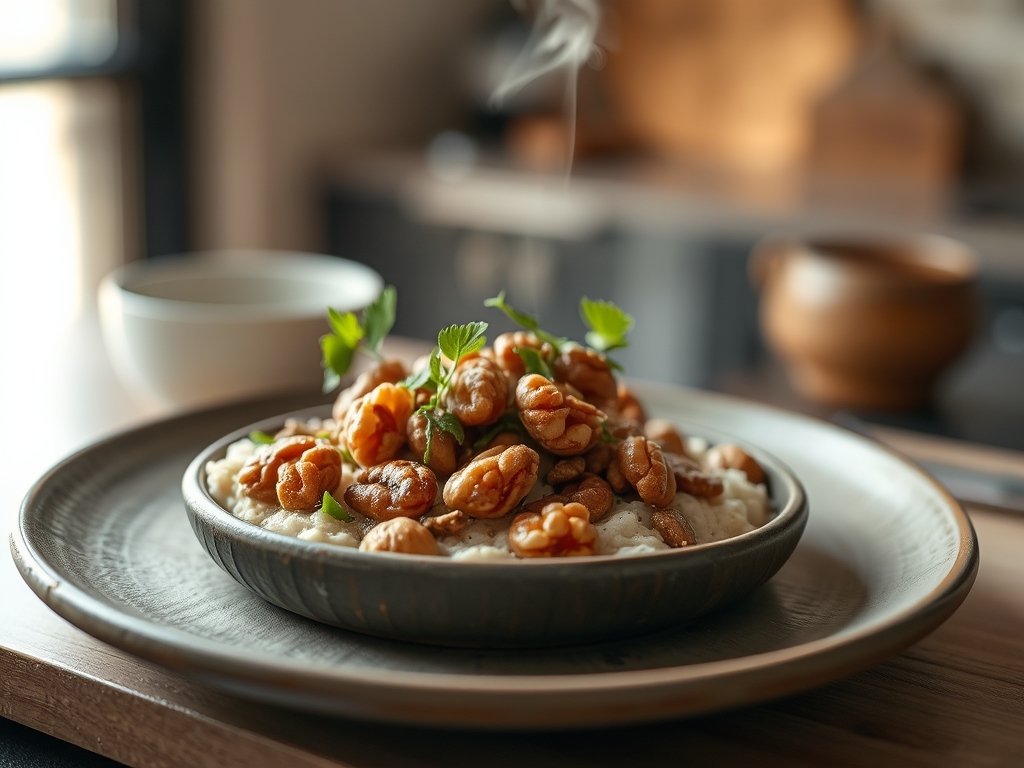
Referencing the Masterclass photo, look for the deep mahogany hue and the crystalline structure of the glaze. If your walnuts look dull or matte, you likely skimped on the olive oil or the syrup was too diluted. The oil provides the luster and helps the heat penetrate the dense nut meat. If you see uneven browning, with some nuts pale and others dark, your tray was overcrowded. This creates "steam pockets" where moisture cannot escape, leading to a boiled texture rather than a crisp one. If the rosemary looks black and charred, it was added too early or chopped too coarsely. Aim for a vibrant green speckle that indicates the herb was flash-fried in the walnut oils rather than incinerated.
THE DEEP DIVE
Macro Nutrition Profile
Each serving provides approximately 18g of healthy fats, 4g of protein, and 2g of fiber. The star of the show is the 2.5g of Alpha-Linolenic Acid. This plant-based omega-3 is essential for maintaining the integrity of neuronal membranes. When combined with the capsaicin from the cayenne, you get a metabolic boost that aids in the absorption of these critical lipids.
Dietary Swaps
- Vegan: This recipe is inherently vegan as written.
- Keto: Replace the maple syrup with an equal amount of Allulose or a monk fruit syrup to maintain the structural glaze without the glycemic load.
- GF: Naturally gluten-free. Ensure your spices are certified to avoid cross-contamination.
Meal Prep & Reheating Science
To maintain the molecular structure and prevent the fats from going soft, store these in an airtight glass container with a desiccant pack if possible. Oxygen and moisture are the enemies of the "crunch." If they lose their snap, do not microwave them; the microwave vibrates water molecules and will make the nuts rubbery. Instead, flash-roast them at 150C / 300F for 3 minutes to re-crystallize the sugars.
THE KITCHEN TABLE
Why are my walnuts bitter after roasting?
Bitterness usually stems from over-toasting the skins. The tannins in walnut skins are heat-sensitive. If you prefer a milder profile, you can blanch the nuts and rub off the skins before roasting, though you lose some fiber.
Can I use honey instead of maple syrup?
Honey has a lower burning point due to its fructose content. If substituting, lower your oven temperature by 15 degrees to prevent the sugars from scorching before the nut is fully toasted through the center.
How do I get the spices to stick better?
The secret is the oil-syrup emulsion. By whisking them into a viscous liquid before coating, you create a sticky matrix that traps the spice particulates, ensuring they don't just fall to the bottom of the pan.
Is the rosemary necessary for the brain fuel aspect?
Rosemary contains carnosic acid, which has neuroprotective properties. While the walnuts provide the ALA, the rosemary acts as a synergistic antioxidant, protecting the delicate omega-3s from oxidizing during the high-heat roasting process.