Listen to the snap of a fresh leaf and you are hearing the sound of cellular integrity. We are not just cooking dinner; we are conducting a high-stakes extraction of bioavailable nutrients. When you manage the Spinach Lutein Load correctly, you are optimizing the very pigments that sharpen human vision and protect cognitive function. This is a technical audit of the kitchen environment where heat meets chlorophyll. Forget the limp, soggy greens of your cafeteria nightmares. We are aiming for a vibrant, emerald emulsion that maximizes the carotenoid density through precise thermal application and lipid integration. Lutein is fat-soluble; without the right carrier, your body ignores the treasure. We will use high-velocity heat to wilt the structure just enough to break the cell walls without destroying the heat-sensitive antioxidants. The result is a dish that looks like a neon masterpiece and tastes like a concentrated forest floor. Prepare your station. We are moving from amateur assembly to professional molecular management. This is the gold standard of green.
THE DATA MATRIX
| Metric | Specification |
|---|---|
| Prep Time | 12 Minutes |
| Execution Time | 5 Minutes |
| Yield | 2 Servings |
| Complexity (1-10) | 4 |
| Estimated Cost per Serving | $3.25 |
THE GATHERS
Ingredient Protocol:
- 500g / 1.1 lbs Fresh Baby Spinach (High-Density)
- 30ml / 2 tbsp Extra Virgin Olive Oil (Cold Pressed)
- 15g / 3 cloves Garlic (Microplaned)
- 5g / 1 tsp Flaky Sea Salt
- 2g / 0.5 tsp Red Pepper Flakes
- 15ml / 1 tbsp Fresh Lemon Juice
- 30g / 0.25 cup Toasted Pine Nuts
Section A: Ingredient Quality Audit:
If your spinach arrives with yellowed edges or a slimy texture, the Spinach Lutein Load has already begun to degrade through oxidation. To fix sub-par greens, perform a cold-water shock. Submerge the leaves in an ice bath for ten minutes to restore turgor pressure; this rehydrates the cell walls and makes the leaves crisp enough to withstand the pan. If your garlic is sprouting green "hearts," remove them. Those sprouts contain bitter compounds that will ruin the delicate infusion of your oil. Always use a high-quality lipid; if your olive oil lacks that peppery bite, your carotenoid absorption will suffer from a lack of polyphenols.
THE MASTERCLASS
Step 1: The Lipid Infusion
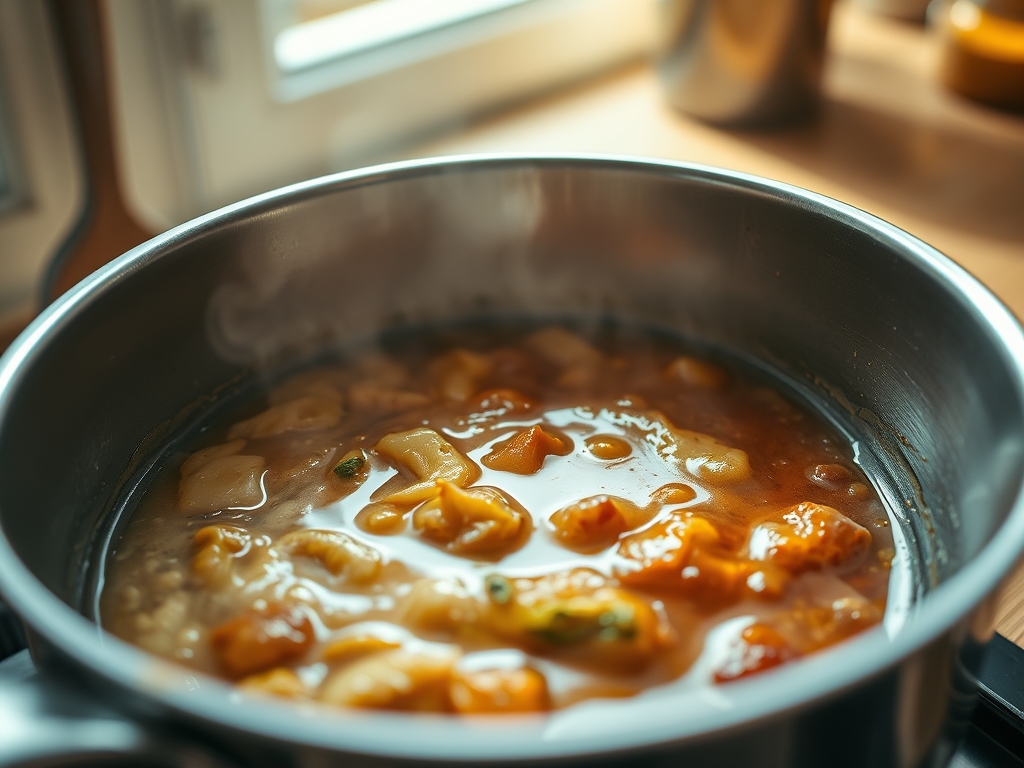
Place your saucier over medium-low heat and add the olive oil. Introduce the microplaned garlic and red pepper flakes before the oil is hot. This cold-start method allows the aromatics to infuse the oil gradually without scorching the sugars.
Pro Tip: Using a digital scale to measure your oil ensures the exact 1:16 fat-to-leaf ratio required for optimal lutein solubility. Science dictates that lipids must coat every leaf surface to transport nutrients across the intestinal lining.
Step 2: High-Velocity Wilting
Increase the heat to medium-high. Once the garlic is golden, add the spinach in two batches. Use a silicone spatula or tongs to toss the leaves constantly. You are looking for a rapid reduction in volume without releasing excessive moisture into the pan.
Pro Tip: This is a race against enzymatic browning. By keeping the leaves moving, you ensure even heat distribution, which halts the enzyme chlorophyllase before it can turn your vibrant emerald into a dull khaki.
Step 3: The Acidic Finish
As soon as the leaves have collapsed but remain bright green, remove the pan from the heat. Squeeze the fresh lemon juice over the greens and toss one final time. The acid will deglaze any concentrated flavors stuck to the bottom of the pan.
Pro Tip: Adding acid too early causes the magnesium atom in the center of the chlorophyll molecule to be replaced by hydrogen, resulting in a brown color. Always add your citrus at the absolute final second to preserve the visual spectrum.
Section B: Prep & Timing Fault-Lines:
The most common failure in managing the Spinach Lutein Load is the "crowded pan" syndrome. If you pile too much spinach into a small vessel, the bottom layer boils in its own moisture while the top remains raw. This creates a viscous mess. Use a wide skillet or work in batches. Furthermore, temperature control is king. If your oil reaches the smoke point, you have oxidized your fats, turning a health-dense dish into a pro-inflammatory disaster. Use an infrared thermometer if you are unsure of your pan's surface temperature.
THE VISUAL SPECTRUM
Section C: Thermal & Visual Troubleshooting:
Look at the Masterclass photo. Notice the glistening sheen on the leaves; that is the lipid-lutein matrix at work. If your dish looks dry, you have under-dressed the greens or over-evaporated the moisture. If the greens look "wet" or sit in a pool of gray liquid, you failed to use high enough heat to flash-evaporate the cellular water. The texture should be tender but still possess a structural "bite." If the color has shifted toward olive-drab, you have over-cooked the greens by more than sixty seconds. Speed is your ally in the preservation of the Spinach Lutein Load.
THE DEEP DIVE
Macro Nutrition Profile:
Per serving, this protocol delivers approximately 140 calories, 12g of healthy monounsaturated fats, 4g of protein, and 6g of fiber. More importantly, it provides over 12mg of lutein and zeaxanthin, exceeding the daily recommended intake for ocular health.
Dietary Swaps:
For a Vegan profile, this recipe is already compliant. For Keto enthusiasts, double the pine nuts to increase the fat-to-carb ratio. If you require a Nut-Free version, swap pine nuts for toasted sunflower seeds to maintain that essential crunch and mineral density.
Meal Prep & Reheating Science:
Spinach is notoriously difficult to reheat because the molecular structure collapses further with every thermal cycle. To maintain integrity, under-cook the spinach by 30% if prepping for later. When reheating, use a microwave at 50% power to prevent the lipids from "popping" and the leaves from becoming stringy.
THE KITCHEN TABLE
Why is my spinach bitter after cooking?
Bitterness usually stems from over-reducing the greens, which concentrates oxalic acid. Ensure you use a quick wilt method and a touch of salt to neutralize the bitter receptors on your tongue.
Can I use frozen spinach for this?
Frozen spinach is blanched, which destroys some heat-sensitive vitamins. While the Spinach Lutein Load remains relatively stable, the texture will be viscous and mushy compared to the fresh protocol outlined here.
Does the lemon juice actually do anything?
Beyond flavor, the Vitamin C in lemon juice significantly increases the bioavailability of the non-heme iron found in spinach. It is a chemical catalyst for nutrient absorption.
What is the best pan for this?
A stainless steel saucier or a seasoned cast-iron skillet is ideal. Avoid unlined aluminum pans, as the acid in the lemon juice can react with the metal, creating a metallic off-flavor.