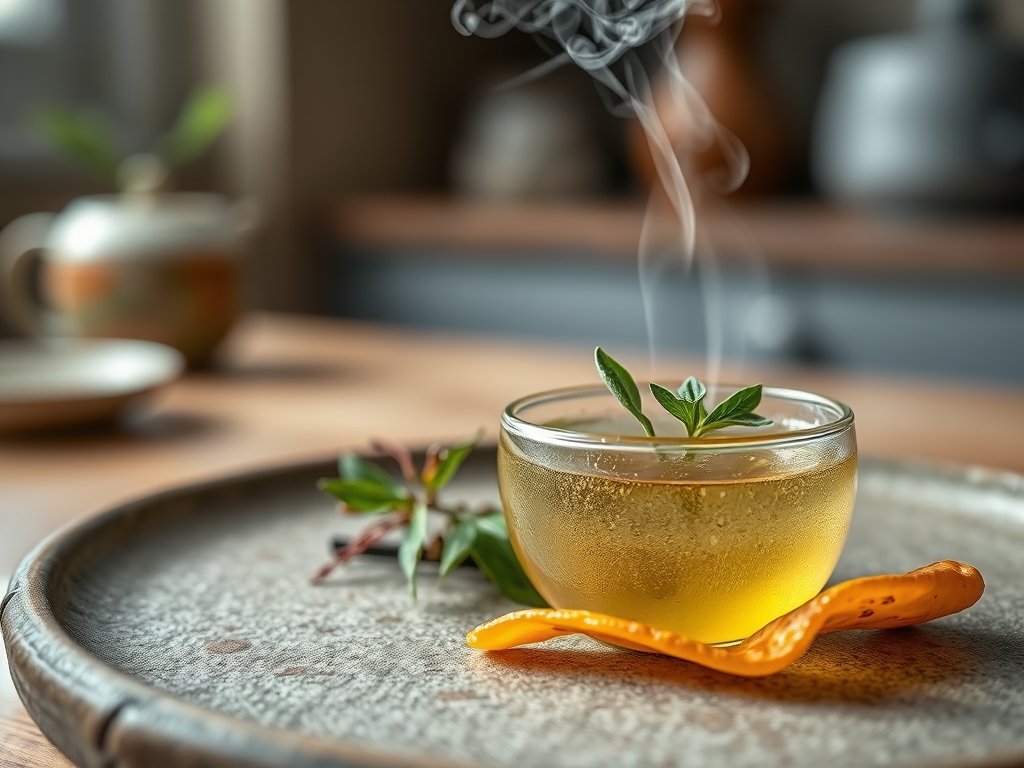
Listen to the hum of the high-speed blender as it achieves a perfect vortex. This is not just a beverage; it is a neurological upgrade delivered through a liquid medium. We are targeting the sweet spot of cognitive performance where calm meets focus. The secret weapon in this operation is Green Tea L Theanine. This amino acid is the molecular architect of the alpha wave state; it facilitates a relaxed alertness that bypasses the jittery crash of standard stimulants. Imagine the scent of toasted rice and vegetal freshness hitting your olfactory sensors while the steam carries a promise of mental clarity. We are engineering a concentrated infusion that balances the piquant notes of premium matcha with the silky texture of an emulsified fat source. Every gram of powder is a data point in our quest for the perfect sip. We do not settle for lukewarm tea bags or cloudy infusions. We demand a vibrant, emerald suspension that signals high chlorophyll content and maximum bioavailability. Strap in; we are about to optimize your morning routine with surgical precision.
THE DATA MATRIX
| Metric | Specification |
|---|---|
| Prep Time | 3 Minutes |
| Execution Time | 5 Minutes |
| Yield | 1 Serving (350ml) |
| Complexity (1-10) | 3 |
| Estimated Cost per Serving | $1.45 |
THE GATHERS
Ingredient Protocol:
- 3g / 1.5 tsp Ceremonial Grade Matcha (High-yield Green Tea L Theanine source)
- 60ml / 0.25 cup Filtered Water (Initial slurry phase)
- 240ml / 1 cup Unsweetened Macadamia or Oat Milk
- 5g / 1 tsp Grass-fed Ghee or MCT Oil (Lipid carrier)
- 2g / 0.5 tsp Raw Manuka Honey or Stevia (Optional sweetener)
- 1 pinch / 0.1g Himalayan Pink Salt (Electrolyte balance)
Section A: Ingredient Quality Audit:
If your Green Tea L Theanine source looks dull or brownish, you are dealing with oxidation. This occurs when heat or light degrades the catechins and amino acids. The technical fix is immediate refrigeration in an airtight, opaque vessel. If the liquid feels thin or watery, your emulsion has failed. Ensure your lipid carrier is added at a temperature above 70 degrees Celsius to allow the fats to integrate with the water molecules. Sub-par water quality can also ruin the profile; use a charcoal filter to remove chlorine, which otherwise masks the delicate umami notes of the tea.
THE MASTERCLASS
Step-by-Step Execution:
1. The Sifting Protocol
Place your matcha powder into a fine-mesh stainless steel strainer over a small ceramic bowl. Use a spoon or a bench scraper to push the powder through the mesh. This mechanical action breaks up clumps that would otherwise resist hydration.
Pro Tip: Sifting is a non-negotiable step to aerate the powder. This increases the surface area for the water molecules to latch onto, preventing "clump-core" failures in the final infusion.
2. The Slurry Initiation
Heat your filtered water to exactly 80 degrees Celsius using a digital kettle. Pour the water over the sifted powder and use a bamboo whisk or a handheld milk frother to create a thick, viscous paste.
Pro Tip: Never use boiling water. Excessive heat will render the delicate amino acids bitter and destroy the L-Theanine profile. Use a digital scale to ensure your water-to-powder ratio is exact for maximum potency.
3. Lipid Integration and Emulsification
In a small saucier, heat your choice of milk and ghee until it reaches a gentle simmer. Do not allow it to boil. Pour the warm milk mixture into the matcha slurry.
Pro Tip: The addition of fats serves as a delivery mechanism. L-Theanine and other phytonutrients are more effectively absorbed when paired with a clean lipid source, which also creates a luxurious mouthfeel.
4. High-Shear Aeration
Transfer the entire mixture into a high-speed blender or use a powerful immersion blender. Process on high for 30 seconds until a thick, micro-foam layer forms on the surface.
Pro Tip: This step is designed to infuse the liquid with air, creating a stable emulsion. The micro-foam is a visual indicator that the fats and water have successfully bonded.
Section B: Prep & Timing Fault-Lines:
Timing is the silent killer of the alpha wave state. If you let the slurry sit for more than two minutes before adding the milk, the tea will begin to oxidize and turn bitter. Temperature control is equally vital. If the milk is too cold, the ghee will solidify into waxy beads; if it is too hot, the milk proteins will denature and create an unpleasant "cooked" flavor. Use an infrared thermometer to monitor the liquid interface throughout the process.
THE VISUAL SPECTRUM
Section C: Thermal & Visual Troubleshooting:
Look at the Masterclass photo above. Notice the vibrant, electric green hue and the dense, uniform foam. If your infusion looks khaki or olive, your water was too hot. If the foam consists of large, soapy bubbles rather than a fine "micro-foam," you did not achieve enough shear force during the blending phase. A separated layer of oil on top indicates a broken emulsion; re-blend at a higher RPM to force the lipids back into suspension. The goal is a monochromatic, opaque liquid that holds its structure as you sip.
THE DEEP DIVE
Macro Nutrition Profile:
A single serving of this infusion provides approximately 120 calories, 11g of healthy fats, 4g of carbohydrates, and 2g of protein. The primary focus, however, is the 200mg of L-Theanine and 70mg of caffeine, providing a 3-to-1 ratio that is clinically shown to optimize cognitive task performance.
Dietary Swaps:
For a Vegan protocol, substitute the ghee with organic coconut butter or MCT oil. For Keto adherents, ensure the milk choice is unsweetened macadamia or almond to keep net carbs under 2g. This recipe is naturally Gluten-Free, provided your matcha source is certified pure.
Meal Prep & Reheating Science:
You can batch-prepare the matcha slurry and keep it in the fridge for up to 24 hours, but the final emulsion should be done fresh. If you must reheat, do so gently in a saucier over low heat. Avoid the microwave, as it creates localized hot spots that can deglaze the delicate flavors and break the molecular bonds of the emulsion.
THE KITCHEN TABLE
Why is my tea bitter even with high-quality powder?
You likely over-extracted the leaves with water that was too hot. Stick to the 80-degree Celsius limit. Bitterness is a sign of tannin release, which happens when the molecular structure is stressed by excessive thermal energy.
Can I use a regular spoon instead of a whisk?
A spoon lacks the surface area to properly aerate the powder. You will end up with sediment at the bottom of your cup. Use a whisk or frother to ensure the Green Tea L Theanine is fully suspended.
Does the type of milk really matter?
Yes. High-protein milks like soy or cow's milk can bind to the antioxidants in the tea, potentially reducing their absorption. Nut milks with higher fat content generally provide a cleaner flavor profile and better metabolic results.
How do I know if my Matcha is actually ceremonial grade?
The color is the primary indicator. It should be a startlingly bright "neon" green. If it looks like dried hay or has a brownish tint, it is culinary grade, which is better suited for baking than infusions.