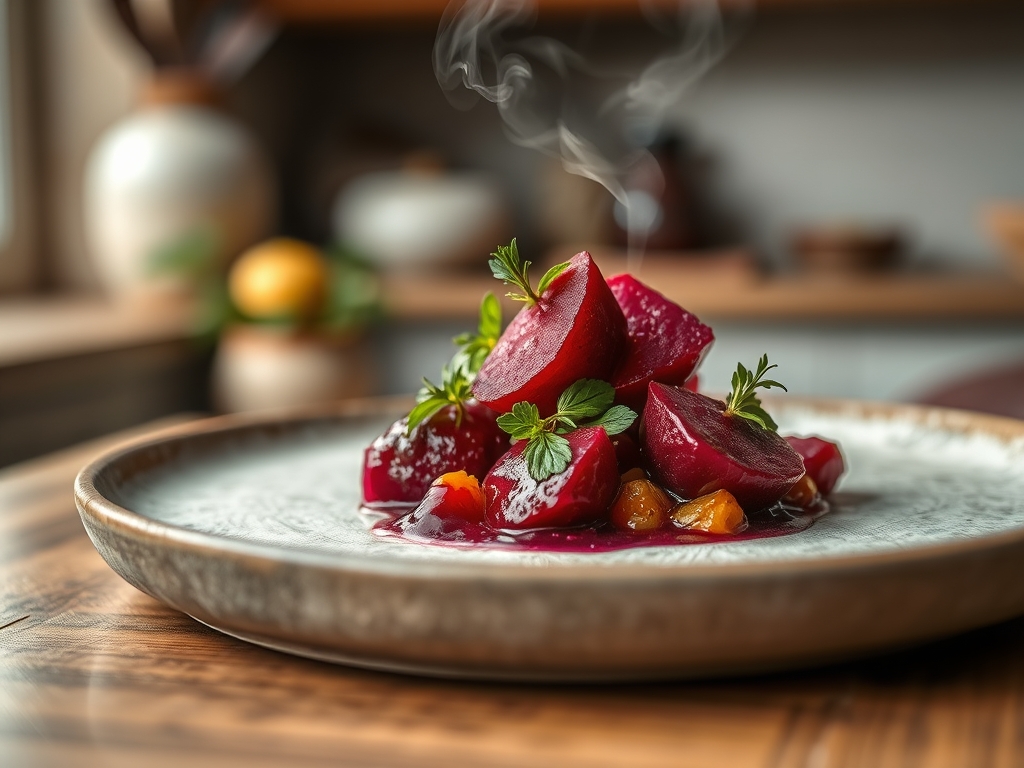
Imagine your brain as a high performance data center where the cooling fans are failing and the bandwidth is throttled. You are sluggish; your cognitive processing feels like it is running on a dial up connection from 1996. Now, imagine flooding that system with a high octane vasodilator that forces the floodgates of your microvasculature to swing wide. This is the biological reality of Beetroot Nitric Oxide. When you consume concentrated nitrates, your body converts them into nitric oxide; a gaseous signaling molecule that relaxes the smooth muscles of your blood vessels. The result is a surge of oxygenated blood to the prefrontal cortex. We are not just making a salad or a juice here; we are engineering a liquid substrate designed for maximum bioavailability and cognitive overclocking. The earthy, metallic tang of the beet is the flavor of structural efficiency. It is vibrant, deep crimson, and chemically aggressive. Prepare to interface with a recipe that treats your circulatory system like a Formula 1 cooling loop.
THE DATA MATRIX
| Metric | Specification |
|---|---|
| Prep Time | 15 Minutes |
| Execution Time | 10 Minutes |
| Yield | 2 Servings (500ml total) |
| Complexity (1-10) | 3 |
| Estimated Cost per Serving | $2.75 |
THE GATHERS
Ingredient Protocol:
- 500g / 1.1 lbs Fresh Organic Red Beets (unpeeled for maximum nitrate retention)
- 250ml / 1 cup Filtered Alkaline Water
- 30g / 2 tbsp Fresh Ginger Root (peeled)
- 15ml / 1 tbsp Fresh Lemon Juice (high acidity for pH balancing)
- 2g / 1/2 tsp Himalayan Pink Salt (to aerate the mineral profile)
- 5ml / 1 tsp Raw Organic Honey (optional, for glucose spiking)
Section A: Ingredient Quality Audit:
If your beets feel "spongy" or soft, the cellular structure has already begun to collapse. This indicates a loss of moisture and a degradation of the nitrate density. To fix this, submerge the beets in an ice water bath for 30 minutes to restore turgor pressure. If your ginger is woody and fibrous, it will not infuse properly. Always use a digital scale to measure your aromatics; volume is a liar, but mass is the truth. If the lemon juice tastes metallic, you are likely using bottled concentrate. Switch to fresh citrus to ensure the ascorbic acid acts as a proper antioxidant buffer for the Beetroot Nitric Oxide.
THE MASTERCLASS
Step 1: The Structural Breakdown
Wash the beets thoroughly using a stiff brush to remove all debris while keeping the skin intact. Use a bench scraper to clear your workstation of organic waste. Slice the beets into 2cm cubes to increase the surface area for the blades.
Pro Tip: Keeping the skin on is vital. The highest concentration of nitrates and betalains is found just beneath the surface. Removing the skin is akin to throwing away the CPU and keeping the plastic casing.
Step 2: High Shear Emulsification
Place the beet cubes, ginger, and alkaline water into a high speed blender. Start on the lowest setting and rapidly increase to maximum RPMs. Process for 60 seconds until the mixture is a viscous, homogenous liquid.
Pro Tip: High shear blending creates a mechanical emulsification of the plant fibers. This breaks down the cellulose walls, making the Beetroot Nitric Oxide more accessible for immediate sublingual and gastric absorption.
Step 3: Precision Filtration
Set a fine mesh strainer or a nut milk bag over a stainless steel saucier or large bowl. Pour the mixture through the filter. Use a silicone spatula to press the pulp, extracting every milliliter of the concentrated serum.
Pro Tip: Do not discard the pulp. It is rich in insoluble fiber and can be repurposed into crackers or breads. In professional kitchens, we call this "zero waste infrastructure."
Step 4: The Acidic Stabilization
Whisk in the lemon juice and pink salt. The acidity of the lemon stabilizes the betanin pigments, preventing them from oxidizing and turning a dull brown. The salt acts as an electrolyte bridge to enhance the piquant notes of the ginger.
Pro Tip: Using a digital scale for the salt ensures you do not overshoot the sodium threshold, which can cause fluid retention and counter the vasodilatory effects of the nitrates.
Section B: Prep & Timing Fault-Lines:
The most common failure in this protocol is temperature abuse. If the blender runs for too long, the friction heat will begin to denature the heat sensitive enzymes. Keep your water chilled to ensure the final output remains below 40 degrees Celsius. Furthermore, if you wait more than 15 minutes to consume the elixir, the nitric oxide precursors begin to degrade. This is a "just in time" manufacturing process; produce and consume immediately for peak cerebral blood flow.
THE VISUAL SPECTRUM
Section C: Thermal & Visual Troubleshooting:
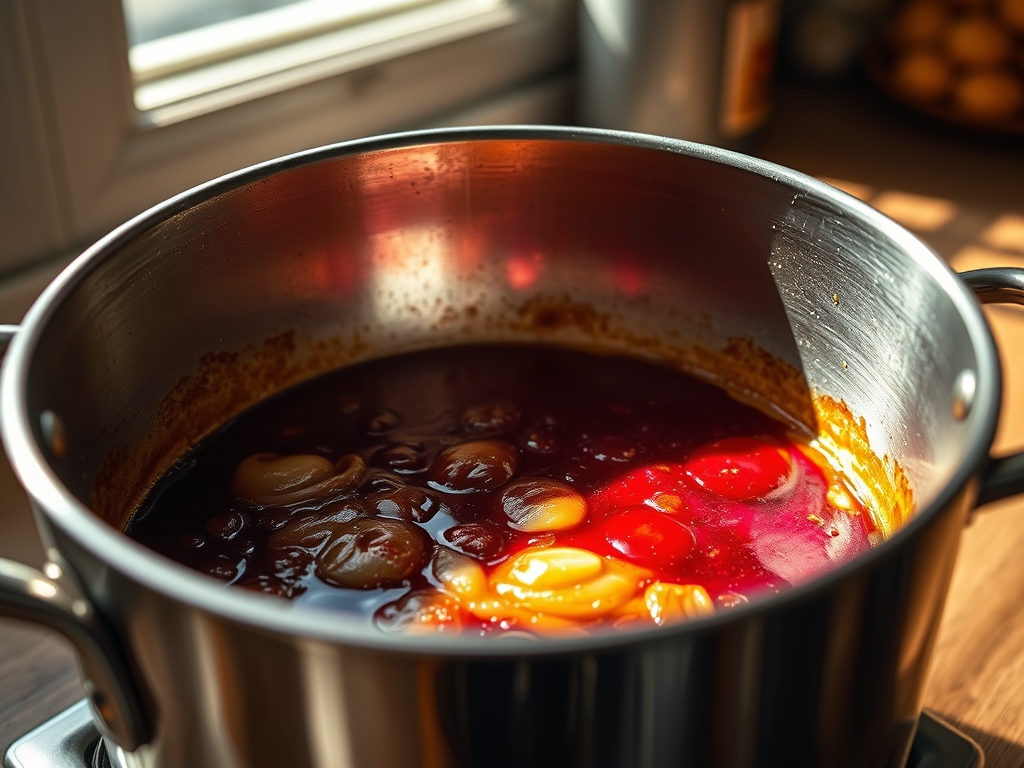
Referencing the Masterclass photo, the liquid should exhibit a deep, opaque magenta hue with a slight froth on the surface. If your juice looks pale or translucent, your beet to water ratio is skewed toward dilution. If there are visible "flecks" of brown, your ginger was likely oxidized or your beets were not properly cleaned. A dull, matte finish suggests the pH is too high; add a few more drops of lemon juice to "brighten" the color and the flavor profile. The froth is a sign of successful aeration during the blending phase, indicating the mixture is light and oxygenated.
THE DEEP DIVE
Macro Nutrition Profile:
Per 250ml serving: 95 Calories, 2g Protein, 22g Carbohydrates (14g Sugars), 0g Fat. The primary value is not the macros, but the 400mg+ of dietary nitrates.
Dietary Swaps:
- Vegan: Already compliant.
- Keto: Replace the honey with a pinch of monk fruit or omit entirely to lower the glycemic load.
- GF: Naturally gluten free. Ensure your ginger is fresh to avoid cross contaminated powdered spices.
Meal Prep & Reheating Science:
Do not reheat this. Heat is the enemy of Beetroot Nitric Oxide. If you must prep in advance, store the juice in an airtight glass vessel with zero headspace to prevent oxidation. The molecular structure remains stable for up to 24 hours in a 4 degree Celsius environment, but the "vibrancy" of the nitric oxide potential drops by 20% every six hours.
THE KITCHEN TABLE
Why does the color of my juice change after an hour?
This is oxidation. The betacyanin pigments react with oxygen, shifting from vibrant violet to a muddy brick red. Adding citrus and sealing the container minimizes this molecular decay.
Can I use a centrifugal juicer instead of a blender?
Yes, but you lose the control over the viscous texture and the ability to include the ginger skin. Centrifugal juicers also introduce more heat, which can slightly degrade the nitrate quality.
Is the ginger necessary for the nitric oxide effect?
While ginger does not provide nitrates, it acts as a circulatory catalyst. It increases thermogenesis, which works synergistically with the beets to accelerate the delivery of nutrients to the brain.
How soon will I feel the "Cerebral Blood Flow" shift?
Peak plasma nitrate levels typically occur 2 to 3 hours after ingestion. For maximum cognitive performance during a high stakes meeting or workout, time your consumption accordingly.