Imagine the sound of a high-speed blade pulverizing the structural integrity of a golden seed. It is the sound of pure potential. We are not just cooking; we are conducting a Flaxseed Fiber Audit to ensure your cellular infrastructure is fortified with the highest possible lignan concentration. The aroma is distinct; it is earthy, nutty, and carries a subtle toasted depth that signals the presence of high-quality lipids. If your flax smells like old paint, abort the mission immediately. We are hunting for the mucilaginous gold standard. This is where culinary art meets rigorous biological data. We are going to infuse these fibers into a structural powerhouse that defies the crumbly reputation of health food. We are building a matrix that is as resilient as it is delicious. Prepare your workspace. Calibrate your scales. We are moving beyond the realm of casual baking and into the territory of precision-engineered nutrition. This is about more than flavor; it is about the structural optimization of your daily intake. Let us begin the audit.
THE DATA MATRIX
| Metric | Specification |
|---|---|
| Prep Time | 15 Minutes |
| Execution Time | 45 Minutes |
| Yield | 12 Servings |
| Complexity (1-10) | 4 |
| Estimated Cost per Serving | $0.85 |
THE GATHERS
Ingredient Protocol:
- 200g / 1.5 cups Golden Flaxseed Meal (Freshly ground)
- 10g / 2 tsp Baking Powder (Aluminum-free)
- 5g / 1 tsp Sea Salt (Fine grain)
- 120ml / 0.5 cup Water (Filtered, 21 degrees Celsius)
- 60ml / 4 tbsp Avocado Oil (High smoke point)
- 3 Large Eggs (Room temperature, approximately 150g)
- 5g / 1 tsp Raw Honey (For Maillard acceleration)
Section A: Ingredient Quality Audit:
The primary failure point in any Flaxseed Fiber Audit is rancidity. Flaxseeds are packed with polyunsaturated fats that oxidize rapidly when exposed to light and heat. If your meal tastes bitter or "fishy," the lipids have degraded, and the lignan integrity is compromised. Technical Fix: Always purchase whole seeds and use a high-speed burr grinder to process them seconds before mixing. If the batter feels too viscous, your seeds may have been stored in a high-humidity environment. Adjust by adding 5ml of filtered water at a time until the desired tension is reached. If the eggs are cold, they will cause the avocado oil to seize, ruining the emulsification. Submerge cold eggs in warm water for five minutes to reach the thermal equilibrium required for a stable crumb.
THE MASTERCLASS
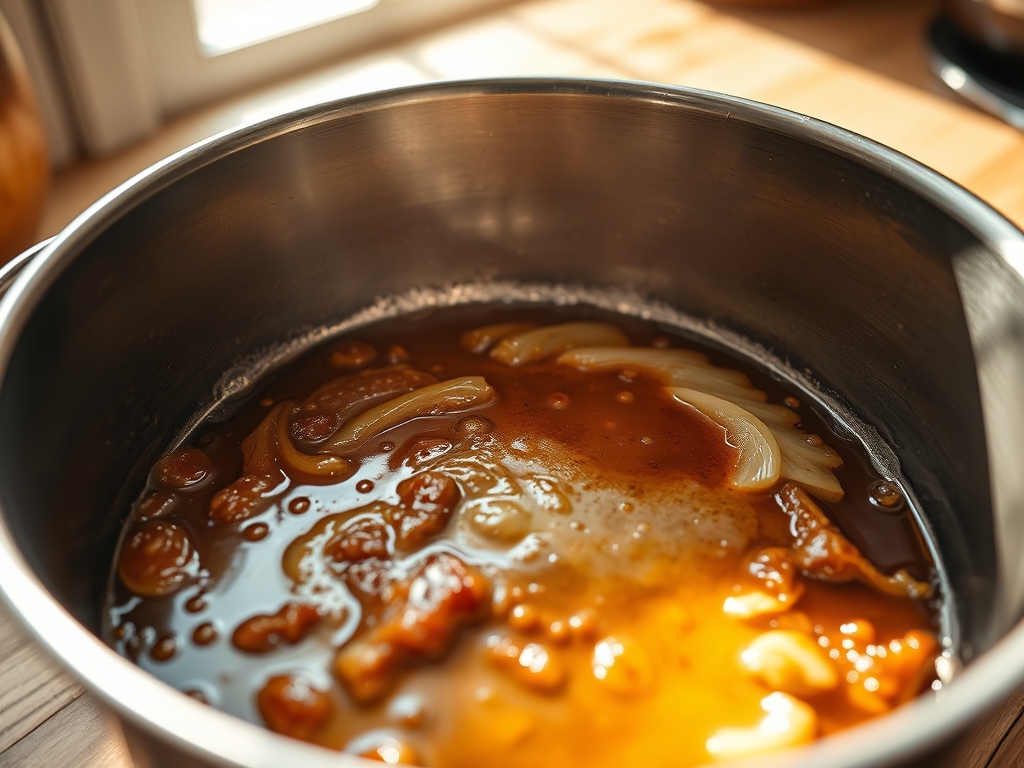
1. The Dry Phase Calibration
Whisk the flaxseed meal, baking powder, and salt in a stainless steel mixing bowl. Use a digital scale for these measurements; volumetric displacement is the enemy of consistency. You must aerate the mixture to ensure the leavening agents are distributed evenly throughout the fiber matrix.
Pro Tip: Use a fine-mesh sieve to sift the flax meal. This breaks up any clumps of oil-rich fiber, ensuring that every gram of lignan is accessible to the hydrating agents in the next step.
2. The Liquid Emulsification
In a separate saucier or glass bowl, whisk the eggs, water, oil, and honey. You are looking for a homogenous liquid that shows no signs of separation. The honey is not just for sweetness; it provides the reducing sugars necessary for a beautiful Maillard reaction on the crust.
Pro Tip: Use a high-speed immersion blender for 15 seconds to create a tight emulsion. This ensures the fats are encapsulated, preventing a greasy mouthfeel in the final product.
3. The Structural Integration
Fold the dry ingredients into the wet using a silicone bench scraper or spatula. Do not overwork the batter. You are looking to hydrate the mucilage (the soluble fiber) without over-developing any protein structures. The batter will thicken rapidly as the flax absorbs the moisture.
Pro Tip: Let the batter rest for exactly five minutes. This "hydration window" allows the flax fibers to fully swell, which creates the internal pressure needed for a proper rise in the oven.
4. Thermal Execution
Transfer the batter to a parchment-lined tin. Smooth the surface with an offset spatula to ensure even heat distribution. Place in a preheated oven at 175 degrees Celsius. The goal is a steady render of moisture while the internal structure sets.
Pro Tip: Use an infrared thermometer to check the oven floor temperature. Discrepancies of even ten degrees can lead to a "sunken" center where the fiber matrix collapses before it solidifies.
Section B: Prep & Timing Fault-Lines:
The most common human error is the "Cold Start" mistake. If you put this batter into an oven that has not reached thermal saturation, the leavening agents will exhaust their carbon dioxide production before the flax structure is strong enough to hold it. This results in a dense, rubbery brick. Another fault-line is the "Premature Slice." You must allow the loaf to cool completely on a wire rack. The steam remaining inside the loaf is still working to set the final molecular bonds. Cutting it hot allows that steam to escape, leading to a gummy interior texture.
THE VISUAL SPECTRUM
Section C: Thermal & Visual Troubleshooting:
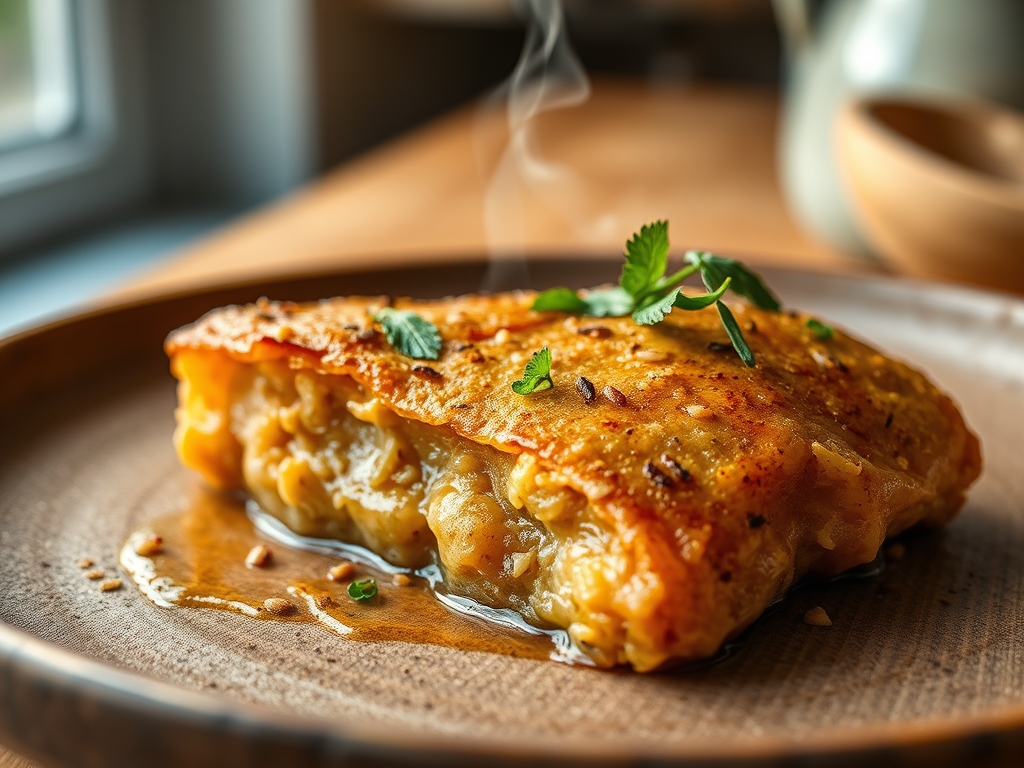
Referencing the Masterclass photo, observe the deep mahogany crust. This is the visual cue for a successful Maillard reaction. If your loaf is pale, your oven temperature was too low or your honey was omitted. If the top has a "cracked" appearance like a dry lakebed, your batter was too dry; increase the water by 10ml in your next audit. A "dull" color indicates old flax meal with low oil content. The final texture should be springy to the touch; if a thumbprint remains after a light press, the internal structure is undercooked. The photo shows a consistent, tight crumb with no large air pockets, indicating perfect aeration and mixing technique.
THE DEEP DIVE
Macro Nutrition Profile
Each serving provides approximately 180 calories, 12g of healthy fats, 8g of protein, and a massive 9g of dietary fiber. The lignan count is maximized by the low-temperature baking method, which preserves the delicate phytonutrients often destroyed by high-heat frying or searing.
Dietary Swaps
- Vegan: Replace the three eggs with "flax eggs" (3 tbsp ground flax mixed with 9 tbsp water) and use maple syrup instead of honey. Note that the rise will be less pronounced.
- Keto: This recipe is inherently keto-friendly. Ensure your baking powder is cornstarch-free to maintain strict carbohydrate limits.
- GF: Naturally gluten-free, but ensure your flax is processed in a certified facility to avoid cross-contamination.
Meal Prep & Reheating Science
To maintain the molecular structure, slice the loaf and freeze with parchment separators. When reheating, use a toaster or air fryer. This flash-heating renders the surface oils, recreating the original crispness without drying out the interior fiber matrix. Avoid the microwave, as it causes the mucilage to become unpleasantly viscous and chewy.
THE KITCHEN TABLE
Why does my flax bread taste like soap?
This is a sign of lipid oxidation. Your flax meal has gone rancid. Always smell your flax before starting the audit; it should be nutty and clean. Store seeds in the freezer to prevent this chemical breakdown.
Can I add seeds or nuts to the batter?
Absolutely. Adding sunflower seeds or walnuts increases the textural contrast. However, do not exceed 50g of add-ins, or you will compromise the structural integrity of the flax matrix, leading to a crumbly finish.
My loaf is wet in the middle but burnt on top.
Your oven is running too hot. The exterior is caramelizing before the heat can conduct to the center. Use an oven thermometer to verify the temperature and move the rack to the middle position.
How do I get a better rise?
Ensure your baking powder is fresh. You can also add 5ml of apple cider vinegar to the wet ingredients. The acid reacts with the leavening agent to produce an immediate burst of carbon dioxide for a loftier crumb.