Your morning caffeine ritual is currently a low-resolution simulation of what it should be. If you are simply stirring a lipid into a dark liquid and watching oil slicks dance on the surface, you are failing the basic laws of fluid dynamics. We are here to talk about the total molecular restructuring of your morning cup. MCT Oil Coffee is not a beverage; it is a high-performance fuel delivery system designed for cognitive overclocking. When executed with precision, the result is a micro-emulsion so stable and creamy that it mimics the mouthfeel of a high-end latte without a single gram of lactose. We are chasing a specific technical viscosity. We want a tight, aerated foam and a homogenized lipid structure that bypasses the digestive slow-track to hit your mitochondria like a lightning bolt. This is the intersection of organic chemistry and sensory indulgence. If you are ready to stop drinking oily water and start consuming liquid intelligence, put down the spoon and prepare for a masterclass in emulsification.
THE DATA MATRIX
| Metric | Specification |
|---|---|
| Prep Time | 2 Minutes |
| Execution Time | 3 Minutes |
| Yield | 1 Serving (350ml) |
| Complexity | 4/10 |
| Estimated Cost per Serving | $1.85 |
THE GATHERS
Ingredient Protocol:
- 350ml / 1.5 cups Freshly brewed single-origin coffee (light to medium roast).
- 15ml / 1 tbsp Pure C8/C10 MCT Oil.
- 14g / 1 tbsp Grass-fed unsalted butter or ghee.
- 1g / 0.25 tsp Himalayan pink salt (to suppress bitterness).
- 0.5g / 0.125 tsp Organic Ceylon cinnamon (optional aromatic).
Section A: Ingredient Quality Audit:
Sub-par raw materials will collapse your emulsion before you even hit the power button. If your MCT oil has a distinct "coconut" flavor, it is likely a low-grade blend; high-purity C8 should be odorless and flavorless. If your butter is pale and waxy, it lacks the beta-carotene and Vitamin K2 necessary for a rich, golden viscosity. To fix a bitter brew, do not reach for sweetener. Instead, use a digital scale to ensure your coffee-to-water ratio is exactly 1:16. If the coffee tastes "ashy," your water temperature was likely above 205 degrees Fahrenheit, which causes over-extraction. Use a thermometer to ensure your brewing water stays between 195 and 205 degrees to preserve the delicate acidity that balances the heavy lipids.
THE MASTERCLASS
Step 1: The Thermal Foundation
Heat your blender carafe or a small saucier with hot water before beginning. Pouring hot coffee into a cold vessel causes an immediate thermal shock that can destabilize the fats you are trying to infuse.
Pro Tip: Professional baristas use thermal mass to their advantage. A warm vessel ensures the lipids remain in a liquid state, allowing for a more thorough aeration during the high-speed blending phase.
Step 2: The Precision Lipid Load
Place your warm blender carafe on a digital scale and tare it to zero. Add your butter and MCT oil by weight rather than volume for absolute consistency. This eliminates the margin of error found in "eyeballing" a tablespoon.
Pro Tip: The ratio of MCT to butter dictates the final mouthfeel. Increasing the butter content adds more butyrate and fat-soluble vitamins, while the MCT oil provides the immediate ketogenic surge.
Step 3: High-Shear Emulsification
Pour the hot coffee over the lipids and secure the lid. Start the blender on its lowest setting and gradually increase to maximum speed for 30 seconds. You are looking for a "vortex" effect that forces the oil molecules to break down into microscopic droplets.
Pro Tip: This process is known as mechanical emulsification. The high-speed blades render the fats into tiny spheres that are then coated by the coffee's natural proteins, creating a stable, creamy suspension.
Step 4: The Aromatic Finish
During the final five seconds of blending, drop in your salt and cinnamon. This ensures the dry particulates are evenly distributed throughout the foam rather than sinking to the bottom of the mug.
Pro Tip: Use a bench scraper to tidy your workstation while the foam settles. The salt acts as a chemical modifier that blocks bitterness receptors on your tongue, making the coffee taste smoother and sweeter without sugar.
Section B: Prep & Timing Fault-Lines:
Timing is the silent killer of the perfect MCT Oil Coffee. If you let the brewed coffee sit for more than five minutes before blending, the temperature drops below the melting point of the saturated fats, leading to a "clumpy" texture. If your blender runs for too long (over 60 seconds), the friction from the blades can actually overheat the delicate oils, causing a slight burnt note. Aim for the "Goldilocks" zone: 30 to 45 seconds of high-speed shear. If the foam disappears instantly after pouring, your coffee was likely too weak; a higher concentration of coffee solids is required to provide the structural integrity for the bubbles.
THE VISUAL SPECTRUM
Section C: Thermal & Visual Troubleshooting:
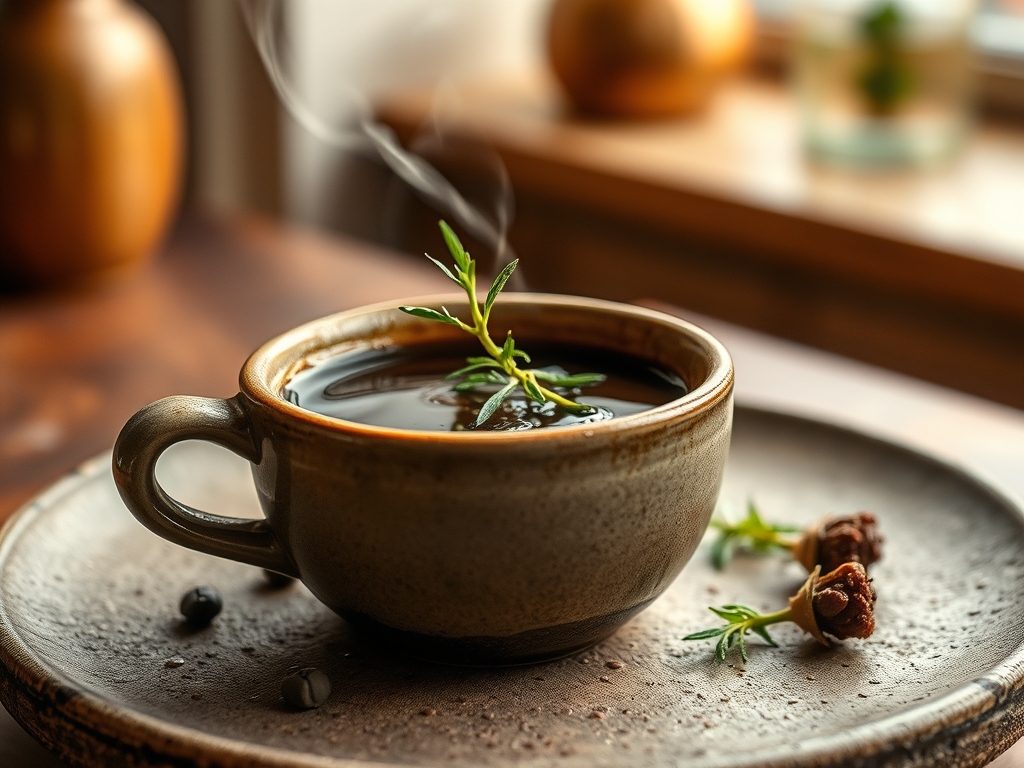
Analyze the Masterclass photo above. Notice the "crema" layer on top; it should be at least one centimeter thick and possess a pale, biscuity color. If your coffee looks dark and oily rather than light and frothy, your blender speed was insufficient to achieve a full emulsion. If the color is a dull, flat grey, your coffee beans may be stale or "dead," lacking the oils needed to interact with the MCT. For uneven browning or "mottling" in the foam, ensure your butter is fully melted before the high-speed cycle ends. A perfect cup will have a uniform, velvety sheen that catches the light, indicating that the lipids have been successfully sequestered into the liquid.
THE DEEP DIVE
Macro Nutrition Profile:
A standard serving prepared with the protocol above contains approximately 240 calories, 26g of total fat (14g from butter, 12g from MCT), 0g of carbohydrates, and 0g of protein. This is a pure fat-bomb designed to maintain a fasted state while providing steady, non-insulinogenic energy.
Dietary Swaps (Vegan/Keto/GF):
To make this vegan, swap the grass-fed butter for an equal amount of organic cacao butter or a high-quality coconut manna. Cacao butter provides a distinct chocolate aroma and a very stable viscosity. For a "Mocha" keto variant, add 5g of raw cacao powder during the blending phase. This recipe is naturally gluten-free, provided your coffee beans have not been processed in a facility with grain-based flavorings.
Meal Prep & Reheating Science:
You cannot simply "reheat" an emulsified coffee in the microwave. The uneven electromagnetic waves will cause the emulsion to "break," leaving you with a layer of hot oil on top of scorched coffee. If you must prep this in advance, store it in a high-quality vacuum-insulated carafe. If the emulsion does break, you must return it to a blender or use a high-powered milk frother to aerate the mixture back into a homogenized state.
THE KITCHEN TABLE
Why does my coffee have an oil slick on top?
Your emulsion has "broken." This usually happens due to insufficient blending speed or the coffee being too cold. Return the mixture to the blender and run it on high for 20 seconds to reintegrate the lipids.
Can I use a handheld frother instead of a blender?
You can, but the results will be inferior. A handheld frother lacks the "high-shear" force necessary to create a true micro-emulsion. It will create bubbles, but the lipid molecules will remain too large for that perfect, creamy mouthfeel.
Will this break my intermittent fast?
Technically, yes, as it contains calories. However, because it contains no protein or carbohydrates, it does not trigger a significant insulin response. Most practitioners use MCT Oil Coffee to extend the metabolic benefits of a fast without the hunger.
Is grass-fed butter really necessary?
Absolutely. Grass-fed butter contains higher levels of Omega-3 fatty acids and Conjugated Linoleic Acid (CLA). More importantly, for our purposes, it has a superior molecular structure that creates a more stable, luxurious foam than standard grain-fed butter.