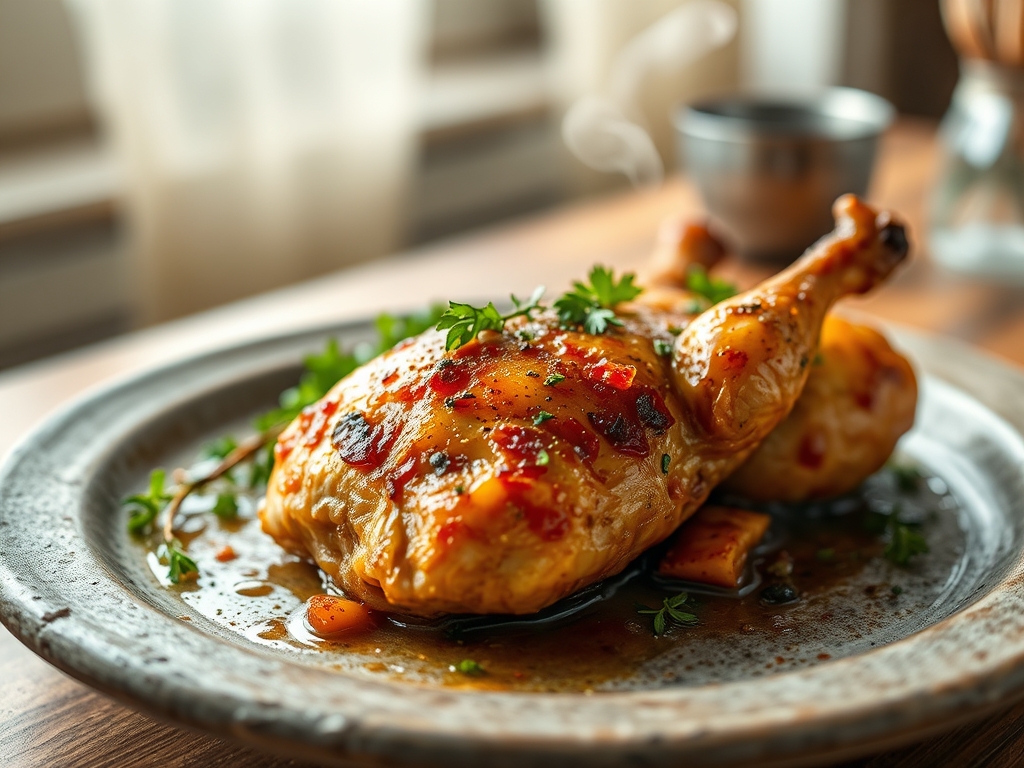
Listen to the sound of high-stakes thermodynamics. It is the frantic hiss of moisture turning to steam within a pressurized aluminum envelope. This is not just dinner; it is a controlled experiment in conductive heat transfer. When you commit to Foil Packet Chicken, you are engineering a micro-environment where the poultry does not merely cook; it undergoes a transformative steam-roast hybrid process. The chicken breast, often the victim of arid overexposure, finds sanctuary inside this metallic vault. Here, the collagen begins to soften without the moisture escaping into the void of the oven cavity. The vegetables surrounding the protein act as thermal buffers, releasing their own cellular water to create a piquant jus that bathes the meat in real-time. We are looking for that perfect intersection of a succulent interior and a concentrated flavor profile. Forget the dry, stringy results of open-air roasting. We are deploying a tactical culinary strike that ensures every fiber is infused with seasoning while maintaining a viscous, lip-smacking finish that only internal pressure can provide.
THE DATA MATRIX
| Metric | Specification |
|---|---|
| Prep Time | 15 Minutes |
| Execution Time | 25 Minutes |
| Yield | 4 Servings |
| Complexity (1-10) | 3 |
| Estimated Cost per Serving | $4.25 USD |
THE GATHERS
Ingredient Protocol:
- 700g / 1.5 lbs Boneless Skinless Chicken Breasts, cubed into 2.5cm pieces.
- 450g / 1 lb Red Potatoes, diced small for rapid thermal penetration.
- 340g / 12 oz Fresh Green Beans, trimmed.
- 60ml / 4 tbsp Unsalted Butter, cubed.
- 30ml / 2 tbsp Extra Virgin Olive Oil.
- 15g / 3 tsp Garlic Powder.
- 10g / 2 tsp Dried Oregano.
- 5g / 1 tsp Smoked Paprika for color depth.
- 10g / 2 tsp Kosher Salt.
- 5g / 1 tsp Freshly Cracked Black Pepper.
- 1 Lemon, sliced into thin rounds.
Section A: Ingredient Quality Audit:
The primary failure point in Foil Packet Chicken is the moisture content of the produce. If your potatoes are aged and starchy, they will absorb the chicken's juices and become a mealy paste rather than a tender side. Fix this by soaking diced potatoes in cold water for ten minutes to remove excess surface starch, then patting them bone-dry before seasoning. If the chicken appears "woody" or has white striations, it will not render properly. You must slice against the grain to mechanically tenderize the fibers. If your spices are dull or lack aroma, do not just add more. Instead, bloom them in the olive oil for sixty seconds before coating the protein to aerate the essential oils and maximize the piquant punch.
THE MASTERCLASS
1. Architectural Assembly and Seasoning
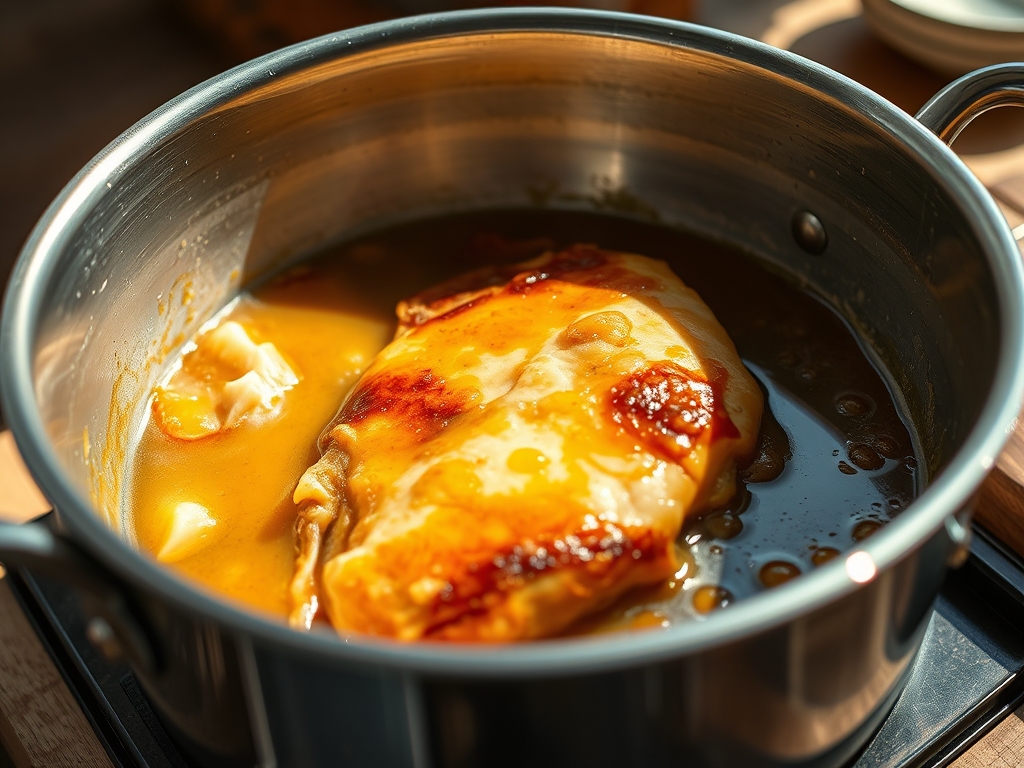
Place your chicken and vegetables into a large stainless steel bowl. Use a digital scale to ensure even distribution of fats and seasonings. Drizzle the olive oil and toss vigorously with a bench scraper or large spoon until every surface is glistening. This ensures that the heat transfer is uniform across all ingredients.
Pro Tip: Coating the ingredients in fat before they enter the foil creates a barrier that prevents the proteins from bonding to the aluminum. This is basic molecular physics; without the lipid layer, the chicken will tear upon opening, ruining the presentation.
2. The Foil Manifold Construction
Cut four sheets of heavy-duty aluminum foil, approximately 30cm by 45cm. Divide the mixture evenly into the center of each sheet. Top each pile with a cube of butter and a lemon slice. Fold the sides up and seal the edges tightly to create a pressurized chamber.
Pro Tip: A tight seal is non-negotiable. If steam escapes, the internal temperature drops, and the potatoes will remain raw while the chicken dries out. Use a saucier or a heavy spoon to crimp the edges flat against the counter for a hermetic seal.
3. Thermal Application
Preheat your oven or grill to 200C / 400F. Place the packets directly on the rack or a heavy baking sheet. The high heat is necessary to trigger the Maillard reaction on the bottom surface of the chicken even while the top portion steams.
Pro Tip: Use an infrared thermometer to verify your oven's true temperature. Most domestic ovens fluctuate by 15 degrees; a cold start will lead to soggy vegetables and a lack of flavor concentration.
4. The Controlled Venting
After 25 minutes, remove the packets. Let them rest for five minutes before opening. This allows the internal steam to settle and the juices to redistribute back into the muscle fibers of the chicken.
Pro Tip: When you open the packet, use a sharp paring knife to slice the top. The sudden release of steam is a burn hazard. Resting the meat ensures the viscous sauce clings to the chicken rather than running off the foil.
Section B: Prep & Timing Fault-Lines:
The most common human error is inconsistent knife work. If your potato chunks are larger than your chicken cubes, the chicken will be overcooked by the time the potatoes reach fork-tenderness. Use a ruler if you must; precision is the hallmark of the professional. Another fault-line is the "over-stuffing" of the packet. If the layer of food is too thick, the center will remain in the danger zone for too long. Keep the ingredients in a relatively flat, single layer within the foil to ensure the conductive heat reaches the center of the mass rapidly.
THE VISUAL SPECTRUM
Section C: Thermal & Visual Troubleshooting:
Look closely at the Masterclass photo. Notice the vibrant green of the beans and the slight caramelization on the edges of the potatoes. If your dish emerges looking grey or washed out, you likely lacked sufficient heat or failed to use enough paprika to catalyze the visual browning. If the liquid at the bottom is watery rather than a shimmering sauce, your vegetables had too much surface moisture. To fix this, you can open the packets for the last five minutes of cooking to allow excess steam to escape and the sugars to deglaze against the foil. If the lemon slices look charred, your rack was too close to the heating element; move to the center position for a more balanced thermal distribution.
THE DEEP DIVE
Macro Nutrition Profile:
A single serving of this Foil Packet Chicken provides approximately 380 calories. You are looking at 42g of high-quality protein, 18g of complex carbohydrates from the potatoes, and 14g of fats, primarily from the heart-healthy olive oil and the butter used for emulsification. It is a balanced, high-octane fuel source for recovery.
Dietary Swaps:
For a Vegan iteration, swap the chicken for extra-firm pressed tofu and use a plant-based butter alternative. For Keto enthusiasts, eliminate the potatoes and double the green beans or add zucchini. This dish is naturally Gluten-Free, provided your spice blends do not contain hidden anti-caking agents derived from wheat.
Meal Prep & Reheating Science:
To maintain the molecular structure during reheating, do not remove the food from the foil. Place the entire packet back into a 175C / 350F oven for 10 minutes. Microwaving is the enemy of this dish; it will turn the chicken into rubber by vibrating the water molecules too violently. If you must use a microwave, transfer the contents to a glass bowl and cover with a damp paper towel to simulate the steam environment.
THE KITCHEN TABLE
Why is my chicken tough even though it is sitting in liquid?
You likely overcooked it. Even in a moist environment, muscle fibers contract and squeeze out moisture if the internal temperature exceeds 74C / 165F. Use a probe thermometer through the foil to be certain of the internal state.
Can I use frozen vegetables in the packet?
It is not recommended. Frozen vegetables release excessive water as they thaw, which will boil the chicken rather than steam-roast it. This results in a bland, watery mess and a total loss of structural integrity.
What is the best foil to use?
Always opt for heavy-duty aluminum foil. Standard foil is prone to tearing when you flip or move the packets, which leads to a total loss of the pressurized steam required for the potatoes to soften properly.
How do I get more browning on the chicken?
Sear the chicken cubes in a blazing hot pan for 60 seconds per side before placing them in the foil. This initiates the Maillard reaction early, ensuring deep flavor and a golden-brown aesthetic that steaming alone cannot achieve.