Forget your childhood memories of dusty raisins and waxy chocolate disks. We are no longer playing in the sandbox of casual snacking. Welcome to the high stakes arena of Trail Mix Architecture; a discipline where caloric density meets structural integrity. When you are five miles into a vertical ascent or navigating a fourteen hour shift in a high pressure environment, your fuel cannot be a haphazard pile of debris. It must be a calibrated system of lipids, complex carbohydrates, and micro-nutrients. We are auditing the very foundation of portable sustenance. We demand a crunch that resonates through the jawbone and a flavor profile that transitions from salty umami to a sharp, piquant finish. This is about the physics of the mix. We are analyzing the friction coefficients of glazed pecans against the moisture migration of dehydrated berries. If your current snack is a chaotic mess of salt dust at the bottom of a plastic bag, you have failed the audit. It is time to rebuild your rations from the molecular level up.
THE DATA MATRIX
| Metric | Specification |
|---|---|
| Prep Time | 15 Minutes |
| Execution Time | 25 Minutes |
| Yield | 1.5 Liters / 6 Cups |
| Complexity (1-10) | 4 |
| Estimated Cost per Serving | $1.45 |
THE GATHERS
Ingredient Protocol:
- 500ml / 2 cups Raw Jumbo Pecan Halves
- 250ml / 1 cup Organic Macadamia Nuts
- 125ml / 0.5 cup Raw Pumpkin Seeds (Pepitas)
- 125ml / 0.5 cup Freeze-Dried Whole Raspberries
- 60ml / 4 tbsp Grade A Maple Syrup
- 15ml / 1 tbsp Cold-Pressed Coconut Oil
- 5ml / 1 tsp Smoked Maldon Sea Salt
- 2.5ml / 0.5 tsp Ground Saigon Cinnamon
- 100g / 3.5oz High-Cacao Dark Chocolate Batons (70% or higher)
Section A: Ingredient Quality Audit:
The most common failure point in Trail Mix Architecture is the use of rancid lipids. Nuts contain high concentrations of volatile oils that oxidize when exposed to light and heat. If your pecans smell like old paint or wet cardboard, the batch is compromised. Fix: Always source raw, unpasteurized nuts and store them in a vacuum-sealed container in the freezer until the moment of execution. Another frequent error is using standard table salt. The cubic structure of table salt lacks the surface area to adhere to the curved geometry of a macadamia nut. Fix: Use a flaked sea salt or a pulverized kosher salt to ensure maximum surface tension and even distribution across the component matrix.
THE MASTERCLASS
Step-by-Step Execution:
1. Thermal Priming and Lipid Infusion
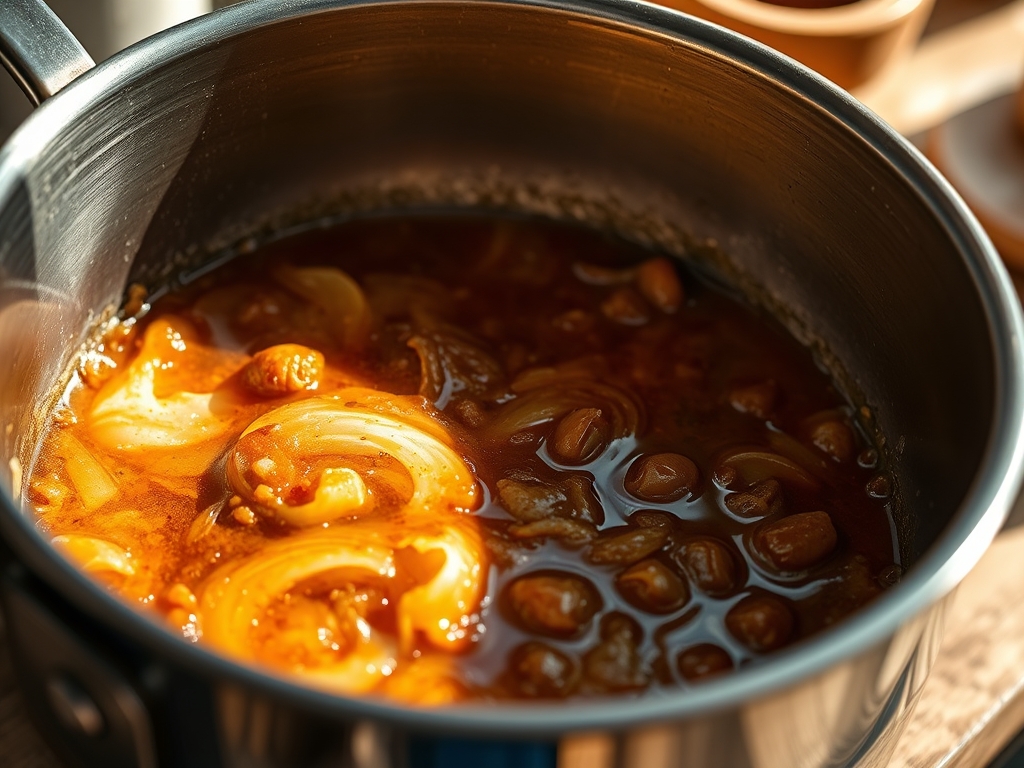
Preheat your convection oven to 165C (325F). In a small stainless steel saucier, combine the maple syrup and coconut oil over low heat. Use a whisk to emulsify the mixture until it becomes a singular, viscous glaze. Add the cinnamon and a pinch of salt to infuse the fat with aromatic compounds.
Pro Tip: Fat is a flavor carrier. By heating the spices within the lipid phase before coating the solids, you ensure the fat-soluble flavor compounds are evenly distributed across every square millimeter of the nut's surface area.
2. Component Coating and Mass Calibration
Place your raw pecans, macadamias, and pumpkin seeds into a large stainless steel mixing bowl. Use a digital scale to ensure your ratios are exact. Pour the warm glaze over the nuts and use a silicone spatula to fold the mixture until every piece is glistening.
Pro Tip: The goal here is not to soak the nuts but to create a microscopic film. Over-saturation leads to a sticky, structural failure where components clump together rather than remaining discrete units within the architecture.
3. Controlled Dehydration and Maillard Induction
Spread the mixture onto a heavy-gauge baking sheet lined with a silicone mat. Use a bench scraper to spread the nuts into a single, non-overlapping layer. Roast for 18 to 22 minutes, rotating the pan halfway through the cycle to ensure even thermal exposure.
Pro Tip: We are looking for the Maillard reaction, a chemical dance between amino acids and reducing sugars. This creates the deep, savory "roasted" notes. If the temperature exceeds 175C, the sugars will pyrolyze and become bitter.
4. Atmospheric Cooling and Final Assembly
Remove the tray and allow the nuts to cool completely to room temperature. This is the "setting" phase where the glaze hardens into a crisp shell. Once cool, gently fold in the freeze-dried raspberries and dark chocolate batons.
Pro Tip: Never add chocolate or freeze-dried fruit to a warm tray. The chocolate will lose its temper and bloom; while the raspberries will absorb residual moisture and lose their structural "snap," turning into a soft, unappealing mass.
Section B: Prep & Timing Fault-Lines:
Timing is the silent killer of quality. If you leave the nuts in the oven for even three minutes too long, the internal oils will render and burn, creating an acrid aftertaste that permeates the entire mix. Fix: Use a digital probe timer and begin checking for a "golden-tan" internal color at the 15-minute mark. If your kitchen is humid, the cooling phase is equally dangerous. Moisture is the enemy of the crunch. Fix: Cool the mix in a room with a dehumidifier or a running fan to ensure the sugars "snap" rather than "sag."
THE VISUAL SPECTRUM
Section C: Thermal & Visual Troubleshooting:
Referencing the Masterclass photo, observe the distinct "amber glow" on the pecans. If your mix looks pale and matte, you have under-developed the sugars; return to the heat for three-minute increments. If the chocolate batons appear grey or streaky, they have undergone "fat bloom" due to heat exposure. While safe to eat, it signals a failure in your cooling protocol. The raspberries should look vibrant and "puffed." If they appear shriveled or dark, they have likely oxidized or absorbed moisture from the air. Ensure your final storage vessel is airtight to maintain this visual and textural integrity.
THE DEEP DIVE
Macro Nutrition Profile:
This specific architecture is designed for sustained energy. The pecans and macadamias provide a high-fat floor (lipids) for long-term satiety; while the maple syrup and pumpkin seeds offer a moderate glycemic spike for immediate output. The dark chocolate provides polyphenols and a cognitive boost via small amounts of caffeine and theobromine.
Dietary Swaps:
- Vegan: This protocol is inherently vegan as written.
- Keto: Replace the maple syrup with an allulose-based syrup and swap raspberries for extra pumpkin seeds to drop the net carb count to near zero.
- GF: Ensure your chocolate batons are processed in a certified gluten-free facility.
Meal Prep & Reheating Science:
Unlike a cooked meal, you do not reheat trail mix. However, the molecular structure is sensitive to "staling." To maintain the "snap," store the mix in glass jars rather than plastic. Glass is non-porous and prevents the migration of outside odors into the high-fat components of the mix.
THE KITCHEN TABLE
Why are my macadamia nuts soft after roasting?
Macadamias have the highest fat content of any nut. If they feel soft, the internal oils are still liquid. They must reach room temperature to solidify. If they remain soft after cooling, increase your roasting time by four minutes.
Can I use fresh fruit instead of freeze-dried?
Absolutely not. Fresh fruit introduces water activity into the system. This will lead to rapid mold growth and will turn your crisp nuts into a soggy, structural nightmare within twelve hours. Stick to the low-moisture protocol.
My chocolate melted into a giant blob. What happened?
You violated the cooling protocol. The nuts must be below 25C (77F) before the chocolate is introduced. Use an infrared thermometer to verify the surface temperature of the nuts before the final assembly phase.
How do I get the salt to actually stay on the nuts?
The "Lipid Infusion" step is key. By dissolving a portion of the salt into the warm maple-oil emulsion, you "glue" the seasoning to the component. Adding salt at the very end usually results in it falling to the bottom.