Imagine a world where your lunch does not betray you. We have all been there; the tragic structural failure of a mediocre wrap, where a deluge of lukewarm liquid compromises the integrity of the flour membrane, resulting in a soggy, unmitigated disaster on your lap. This is not just a meal; it is an engineering challenge. The Portable Bean Burrito is the gold standard of hand-held infrastructure. It requires a specific ratio of viscous protein to structural fiber to ensure that the internal payload remains suspended in a state of perfect tension. We are looking for a bite that offers a piquant punch of cumin and chili, balanced by the creamy, dense architecture of refilled legumes. This is high-octane fuel for the modern operator. When executed with precision, the burrito becomes a self-contained, thermally stable unit capable of withstanding the rigors of a commute or a double shift. We are not just making a snack; we are building a mobile fortress of flavor that defies the laws of gravity and the entropy of cheap fast food.
THE DATA MATRIX
| Metric | Specification |
|---|---|
| Prep Time | 15 Minutes |
| Execution Time | 25 Minutes |
| Yield | 6 Structural Units |
| Complexity (1-10) | 4 |
| Estimated Cost per Serving | $1.15 USD |
THE GATHERS
Ingredient Protocol:
- Legume Base: 850g / 30oz Canned or cooked pinto beans (rinsed and drained).
- Aromatic Foundation: 150g / 1 cup Finely diced white onion.
- Lipid Medium: 30ml / 2 tbsp High-smoke point oil or rendered lard.
- Liquid Integration: 120ml / 0.5 cup Vegetable stock or filtered water.
- Spice Matrix: 10g / 2 tsp Ground cumin; 5g / 1 tsp Smoked paprika; 2g / 0.5 tsp Cayenne pepper.
- Structural Membrane: 6 Large (30cm / 12-inch) Flour tortillas.
- Cohesion Agent: 200g / 2 cups Shredded sharp cheddar or Monterey Jack.
- Acidic Brightener: 15ml / 1 tbsp Fresh lime juice.
Section A: Ingredient Quality Audit:
The primary failure point in a Portable Bean Burrito is excessive moisture. If your beans are too viscous or watery, the tortilla will undergo rapid starch degradation. Audit your beans: if they appear mushy out of the can, do not add the full volume of liquid during the mash phase. If your tortillas are brittle, they lack sufficient moisture and elasticity. Fix this by briefly steaming them or using a damp paper towel in the microwave for ten seconds to infuse the gluten network with temporary pliability. Finally, ensure your cheese is freshly grated. Pre-shredded varieties are coated in potato starch to prevent clumping; this starch interferes with the emulsification of the cheese into the bean matrix, leading to a gritty, oily mouthfeel.
THE MASTERCLASS
1. The Aromatic Ignition
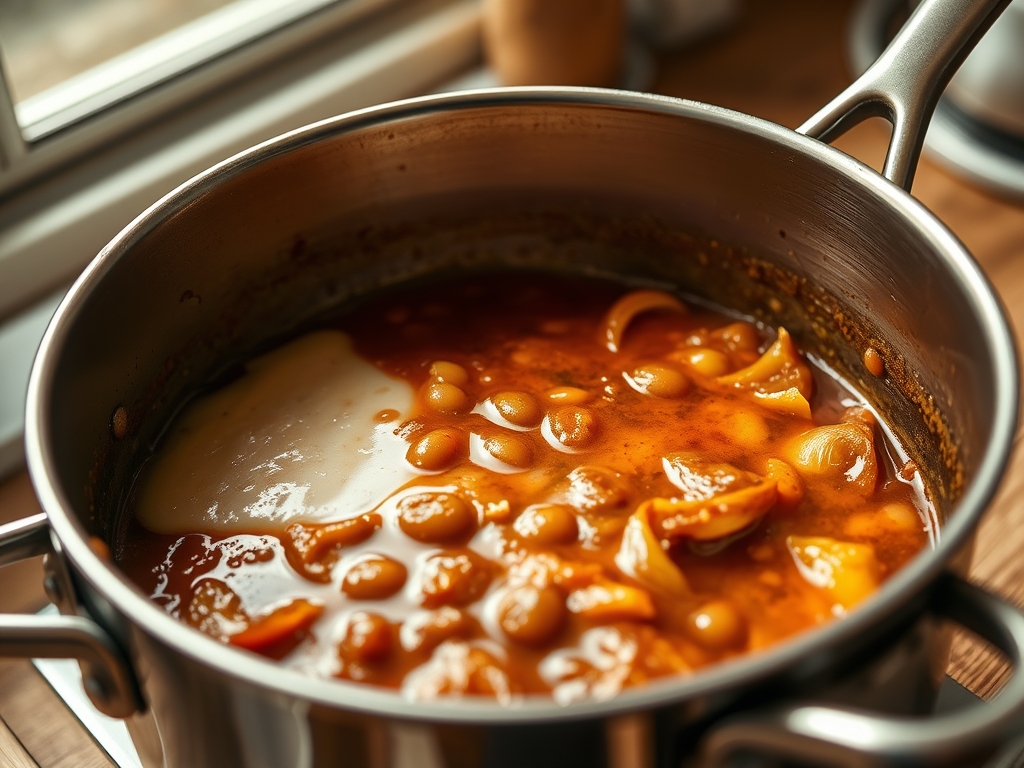
Begin by placing a heavy-bottomed saucier or cast-iron skillet over medium heat. Add your chosen lipid and wait for the shimmering point. Introduce the diced onions and sauté until they reach a translucent state.
Pro Tip: This stage is about the Maillard reaction. By slowly sweating the onions, you release natural sugars that provide a savory depth. Use a bench scraper to ensure no fragments are left to char on the side of the pan, which would introduce a bitter profile.
2. The Spice Infusion
Once the onions are soft, add your cumin, paprika, and cayenne directly into the oil. Toast these dry spices for exactly sixty seconds until the kitchen smells like a high-end cantina.
Pro Tip: Fat is a solvent. By blooming your spices in the lipid medium before adding moisture, you infuse the oil with fat-soluble flavor compounds that would otherwise remain trapped in the spice's cellular structure.
3. The Legume Compression
Add the beans and your measured liquid to the pan. Use a heavy-duty potato masher or the back of a sturdy spoon to crush approximately sixty percent of the beans, leaving the rest whole for textural contrast.
Pro Tip: Use a digital scale to measure your liquid precisely. Too much water turns the filling into a slurry; too little results in a dry, chalky interior. The goal is a paste that holds its shape when pushed with a spatula.
4. The Acidic Calibration
Stir in the lime juice and salt. Taste the mixture. The acidity should cut through the density of the beans, providing a bright, piquant finish that lingers on the palate.
Pro Tip: Acid acts as a flavor magnifier. If the beans taste "flat," do not just add salt; add a few more drops of lime juice to aerate the heavy flavor profile of the legumes.
5. The Structural Assembly
Lay your warmed tortilla on a clean work surface. Place a precise mound of the bean mixture in the lower third of the circle, followed by a generous layer of cheese. Fold the sides inward, then roll from the bottom, maintaining high tension.
Pro Tip: Tension is the secret to portability. A loose roll allows internal steam to collect in pockets, leading to structural collapse. A tight roll ensures the heat is distributed evenly, melting the cheese into a cohesive "glue."
6. The Final Sear
Return the assembled burrito to a dry skillet over medium-high heat. Place it seam-side down first. Sear for 90 seconds per side until the exterior is golden brown and crisp.
Pro Tip: This step serves two purposes. First, it "welds" the seam shut through protein coagulation. Second, it creates a crisp outer shell that acts as a thermal barrier, keeping the interior hot while the exterior remains easy to handle.
Section B: Prep & Timing Fault-Lines:
The most common human error is the "Cold Core Syndrome." This occurs when the filling is not hot enough before assembly, or the burrito is too thick for heat to penetrate to the center during the final sear. Always ensure your bean mixture is simmering (approximately 74C / 165F) before it hits the tortilla. If you are prepping these in bulk, allow the filling to cool completely before rolling to prevent "sweating" inside the wrap, which destroys the structural integrity of the flour membrane during storage.
THE VISUAL SPECTRUM
Section C: Thermal & Visual Troubleshooting:
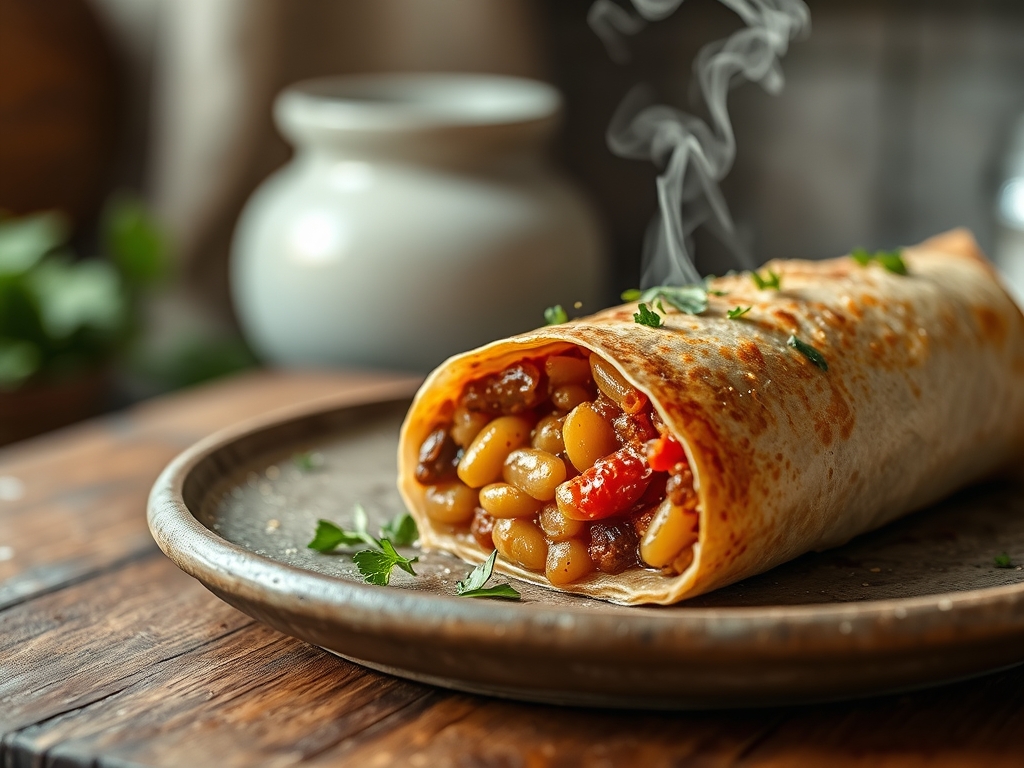
Referencing the Masterclass photo, your goal is a variegated golden-brown exterior. If your burrito looks pale and flaccid, your pan temperature was too low; the tortilla dried out before it could toast. If you see black spots, the heat was too high, scorching the flour without melting the cheese. The internal cross-section should show distinct layers: the dark, rich bean paste and the vibrant, melted ribbons of cheese. If the colors look dull or gray, you likely over-processed the beans into a homogenous paste. Maintain some whole beans to catch the light and provide visual "relief" to the eye.
THE DEEP DIVE
Macro Nutrition Profile:
Each unit delivers approximately 380 calories, 15g of protein, 45g of complex carbohydrates, and 12g of fiber. This high fiber content ensures a slow glucose release, preventing the mid-afternoon energy crash associated with simple-carb meals.
Dietary Swaps:
- Vegan: Replace the cheese with a cashew-based nutritional yeast cream or a high-quality plant-based melt. Use oil instead of lard.
- Gluten-Free: Substitute the flour tortilla with a large, pliable corn-blend or a cassava-based wrap. Note that these require more careful handling as they lack gluten-based elasticity.
- Keto: This is difficult due to the bean starch. However, substituting pinto beans with black soybeans can significantly reduce the net carb count.
Meal Prep & Reheating Science:
To maintain molecular structure during reheating, wrap the burritos in foil and use an oven or air fryer at 175C / 350F. This prevents the "microwave rubber" effect, where the electromagnetic waves agitate water molecules so violently that the tortilla becomes chewy and the beans lose their viscous charm.
THE KITCHEN TABLE
How do I prevent the bottom from blowing out?
The "Envelope Fold" is mandatory. Fold the left and right edges toward the center until they almost touch, then roll tightly from the bottom. This creates a triple-layered base that prevents gravity from winning.
Can I freeze these for long-term storage?
Absolutely. Wrap each unit tightly in parchment paper, then a layer of foil. The parchment prevents the tortilla from sticking to the foil, while the foil prevents freezer burn and maintains the moisture balance.
Why is my filling leaking out of the sides?
You likely overfilled the membrane. A standard 12-inch tortilla can only safely house about 150g of filling. If you exceed this, the internal pressure during the final sear will force the filling through the folds.
What is the best way to add heat without ruins the texture?
Avoid thin, vinegar-based hot sauces inside the burrito, as they increase moisture. Instead, use dehydrated chili flakes or a thick chipotle paste to add a piquant kick without compromising the structural density.