Imagine the structural integrity of your palate being dismantled by a precision-engineered wave of lactic acid and capsaicin. We are not merely discussing a condiment; we are auditing the very foundation of flavor stability. A high-quality Fermented Hot Sauce is a living document of biochemical warfare. It is the result of a controlled environment where beneficial bacteria systematically dismantle complex sugars to produce a sharp, tangy profile that raw peppers simply cannot replicate. This is about more than heat. It is about the depth of field that only fermentation provides. When you crack open a jar of properly aged mash, you are greeted by a piquant aroma that signals a successful microbial takeover. The texture should be viscous and clinging; the color should be a vibrant, neon warning sign to the uninitiated. We are building an infrastructure of spice that will outlast the fleeting trends of the culinary world. Prepare your workstation for a rigorous assessment of pH levels and salt ratios. We are about to render the ordinary obsolete.
THE DATA MATRIX
| Metric | Specification |
|---|---|
| Prep Time | 45 Minutes |
| Execution Time | 14 – 21 Days (Fermentation Window) |
| Yield | 750ml / 3 Cups |
| Complexity (1-10) | 7 (Requires Biological Monitoring) |
| Estimated Cost per Serving | $0.12 |
THE GATHERS
Ingredient Protocol:
- 500g / 1.1 lbs Fresh Habanero or Thai Birdseye Chilies (Stemmed)
- 300g / 10.5 oz Red Bell Peppers (For body and sugar content)
- 45g / 3 tbsp Sea Salt (Non-iodized is mandatory)
- 475ml / 2 cups Filtered Water (Chlorine-free)
- 4 cloves Garlic (Smashed)
- 5g / 1 tsp Whole Peppercorns
- 120ml / 0.5 cup Raw Apple Cider Vinegar (For post-ferment stabilization)
- 2g / 0.5 tsp Xanthan Gum (Optional for emulsification)
Section A: Ingredient Quality Audit:
The primary failure point in a Fermented Hot Sauce is the use of chlorinated tap water. Chlorine is a chemical assassin designed to kill the very Lactobacillus you are trying to recruit. If your water source is municipal, boil it for fifteen minutes and allow it to cool, or utilize a high-end filtration system. Furthermore, check your salt. Table salt contains anti-caking agents and iodine which can turn your brine cloudy or inhibit bacterial growth. Use high-purity sea salt or kosher salt. If your peppers appear shriveled or exhibit soft spots, they are already hosting competing molds. Reject any specimen that does not pass a turgidity test. Freshness is the only acceptable baseline for this infrastructure.
THE MASTERCLASS
Step-by-Step Execution:
1. The Brine Calibration
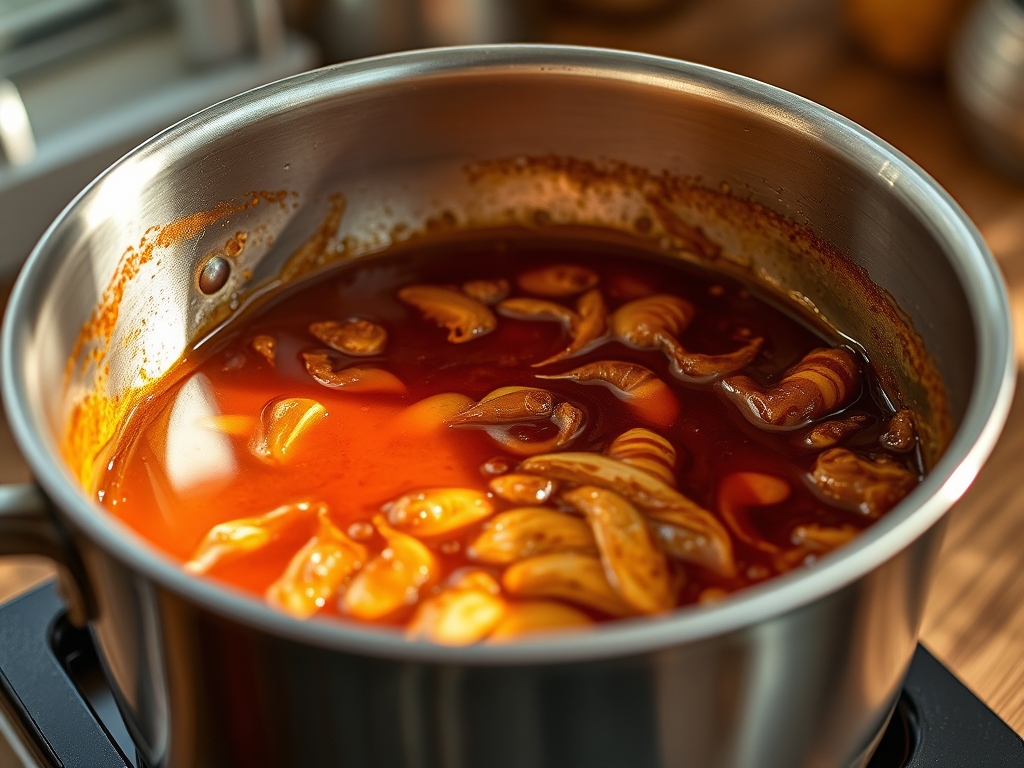
Dissolve your non-iodized salt into the filtered water using a whisk and a stainless steel saucier to ensure total integration. Aim for a 3.5 percent brine concentration. Use a digital scale to verify weights; volumetric measurements are for amateurs who enjoy the risk of spoilage.
Pro Tip: The science of osmosis requires a specific salinity to suppress pathogenic bacteria while allowing halotolerant lactic acid bacteria to flourish. A digital scale ensures your salt-to-water ratio is precise enough to prevent the growth of "Kahm" yeast.
2. The Capsaicin Breakdown
Roughly chop your chilies and bell peppers. You are not looking for a fine dice yet; you are increasing the surface area for microbial colonization. Place the garlic and peppercorns at the bottom of a sterilized wide-mouth fermentation jar. Pack the peppers tightly on top, leaving at least two inches of headspace.
Pro Tip: Use a bench scraper to transfer your chopped peppers without losing the volatile oils and seeds that contain the highest concentration of capsaicin. This maintains the "piquant" intensity of the final product.
3. Submersion and Sealing
Pour the brine over the peppers until they are completely submerged. Use a glass fermentation weight to keep the solids below the liquid line. Any organic matter exposed to oxygen will become a breeding ground for mold. Seal the jar with an airlock lid.
Pro Tip: An airlock is a professional-grade tool that allows carbon dioxide to escape while preventing oxygen from entering. This creates an anaerobic environment, which is the "gold standard" for clean fermentation.
4. The Fermentation Vigil
Store the jar in a dark environment between 65 and 75 degrees Fahrenheit. Monitor the activity daily. You should see bubbles forming within 48 to 72 hours. Let the biological process continue for at least 14 days, or until the brine becomes cloudy and the "effervescence" slows down.
Pro Tip: Temperature control is vital. If the environment is too cold, the bacteria go dormant; too hot, and the enzymes will "render" the peppers into a mushy, unappealing silt.
5. The Emulsification Phase
Drain the solids but reserve the brine. Transfer the fermented solids into a high-speed blender. Add the apple cider vinegar. Blend on high until the mixture is perfectly smooth. Slowly stream in reserved brine until you reach your desired "viscous" consistency. For a shelf-stable, professional finish, add the xanthan gum while the blender is running to "aerate" and stabilize the emulsion.
Pro Tip: Xanthan gum acts as a hydrocolloid, preventing the solids from separating from the liquid over time. This ensures a consistent pour and a professional "mouthfeel."
Section B: Prep & Timing Fault-Lines:
The most common human error is impatience. Opening the jar frequently to "smell" the progress introduces oxygen and contaminants. Trust the airlock. If you notice the temperature spiking above 80 degrees, move the vessel to a cooler zone immediately to prevent "off-flavors" resembling overripe fruit. If you fail to use a digital scale for your salt, you risk a "soft" ferment where the peppers lose all structural integrity and turn into a thin, flavorless liquid.
THE VISUAL SPECTRUM
Section C: Thermal & Visual Troubleshooting:
Referencing the Masterclass photo, your sauce should exhibit a deep, saturated hue. If the color appears dull or brownish, it indicates oxidation; this usually happens if the peppers were not fully submerged in brine. If you see white, fuzzy patches on the surface, that is mold; discard the batch. However, a thin, white, matte film is likely Kahm yeast, which is harmless but should be scraped off to prevent flavor degradation. The texture in the photo shows a glossy, uniform suspension. If yours looks "chunky" or separated, your blending time was insufficient or your emulsification agent was improperly incorporated. The goal is a silk-like finish that coats the back of a spoon.
THE DEEP DIVE
Macro Nutrition Profile:
Per 15ml (1 tbsp) serving:
Calories: 5 | Fat: 0g | Sodium: 180mg | Carbohydrates: 1g | Protein: 0.1g.
The fermentation process converts sugars into organic acids, resulting in a low-calorie, probiotic-rich condiment that enhances metabolic function through capsaicin-induced thermogenesis.
Dietary Swaps:
- Vegan/Keto/GF: This recipe is naturally compliant with all three. To enhance the "umami" profile for a Keto diet, add a teaspoon of nutritional yeast during the blending phase.
- Sugar-Free: Ensure your apple cider vinegar contains no added sugars. The fermentation process naturally consumes the sugars found in the peppers.
Meal Prep & Reheating Science:
To maintain the molecular structure and probiotic benefits, do not boil the sauce after fermentation. If you must pasteurize for long-term room temperature storage, heat it to 165 degrees Fahrenheit for ten minutes, but be aware this kills the "live" cultures. Store in the refrigerator to maintain the bright, acidic profile and prevent the "infusion" of bitter notes over time.
THE KITCHEN TABLE
How do I know if my sauce is safe to eat?
Check the pH with a digital meter; it must be below 4.6 for safety. Visually, look for bright colors and no fuzzy mold. A sour, tangy aroma is perfect; a "rotten" or sulfurous smell indicates a failed batch.
Why did my sauce separate in the fridge?
Separation is a natural result of different molecular weights between solids and liquids. If you skipped the xanthan gum, simply shake the bottle before use to re-incorporate the "viscous" particles into the brine suspension.
Can I use dried peppers for this?
You can, but you must "rehydrate" them in the brine first. Since dried peppers lack the necessary live bacteria for fermentation, you will need to add a "starter" like a splash of juice from a previous ferment or unpasteurized sauerkraut.
What is the best way to store the final product?
Use sterilized glass woozy bottles with plastic dripper inserts. Glass is non-reactive and will not "infuse" the sauce with metallic or plastic aftertastes. Keep it refrigerated to preserve the vibrant color and complex flavor profile indefinitely.