Listen to the sizzle of the rendered fat hitting the steel; it is the sound of a structural transformation. We are not merely cooking dinner; we are conducting a high-stakes audit of porcine lipids and crystalline sodium. The Salted Pork Belly is the undisputed monarch of the charcuterie board and the ultimate test of a chef's patience. When you press your thumb into that cured surface, you should feel the resistance of a perfectly regulated protein matrix. This is about the intersection of osmotic pressure and time. We are stripping away excess moisture to concentrate flavor until every slice becomes a translucent window into culinary perfection. If you are looking for a quick meal, turn back now. This process requires the discipline of a laboratory technician and the soul of a butcher. We are going to harness the power of salt to denature proteins and create a texture that is simultaneously firm and meltingly tender. Prepare your workspace; the audit begins now.
THE DATA MATRIX
| Metric | Specification |
|---|---|
| Prep Time | 45 Minutes |
| Execution Time | 5 to 7 Days (Curing) + 3 Hours (Roasting) |
| Yield | 1.5 kg / 3.3 lbs Finished Product |
| Complexity (1-10) | 7 |
| Estimated Cost per Serving | $4.50 |
THE GATHERS
Ingredient Protocol:
- 1.8 kg / 4 lbs High-Quality Heritage Pork Belly (Skin-on)
- 150 g / 0.6 cups Kosher Salt (Non-iodized)
- 100 g / 0.5 cups Granulated Sugar
- 10 g / 2 tsp Pink Curing Salt #1 (Sodium Nitrite)
- 15 g / 3 tbsp Black Peppercorns (Toasted and cracked)
- 4 units / 4 units Star Anise (Pulverized)
- 10 g / 2 tbsp Fresh Thyme Leaves
- 50 ml / 0.2 cups Rice Wine or Sherry
Section A: Ingredient Quality Audit:
The most common failure point in Salted Pork Belly is the selection of "supermarket grade" pork. Low-quality pork often contains injected brine solutions that disrupt the osmotic balance of your cure. If your pork belly feels "spongy" or leaks liquid before you even start, it has been pumped. Technical Fix: Pat the meat dry with lint-free towels and weigh it. If the weight drops significantly after an hour of air-drying, increase your salt ratio by 5 percent to compensate for the excess internal moisture. Furthermore, ensure your curing salt is fresh; sodium nitrite can degrade if exposed to direct sunlight or high humidity, leading to a grey, unappealing interior rather than the classic rosy hue.
THE MASTERCLASS
Step 1: The Surface Calibration
Scour the skin of the pork belly using a sharp scalpel or a dedicated scoring tool. You must penetrate the epidermis without slicing into the muscle fibers. Use a digital scale to measure your cure ingredients precisely; guessing is the enemy of safety. Rub the cure vigorously into every crevice.
Pro Tip: Scoring increases the surface area for the salt to penetrate. This accelerates the osmotic withdrawal of water from the fat cells, ensuring the skin will eventually crisp into a glass-like sheet rather than remaining rubbery.
Step 2: The Vacuum Seal or Weight Phase
Place the seasoned belly into a non-reactive container or a vacuum-seal bag. If using a container, place a weighted tray on top. Store this in a refrigerator set to exactly 3 degrees Celsius (38 degrees Fahrenheit).
Pro Tip: Pressure assists the cure in migrating toward the center of the slab. Use a bench scraper to flip the meat every 24 hours, ensuring the liquid brine that forms (the "mother liquor") redistributes evenly across the protein.
Step 3: The Desiccation Cycle
After five days, remove the belly and rinse it under cold, filtered water. This is critical to prevent the final product from being an inedible salt lick. Pat it bone-dry and leave it uncovered on a wire rack in the fridge for 24 hours to develop a pellicle.
Pro Tip: The pellicle is a tacky surface layer of proteins. This layer is essential for smoke adhesion if you choose to smoke it, or for achieving a uniform Maillard reaction during the roasting phase.
Step 4: The Thermal Rendering
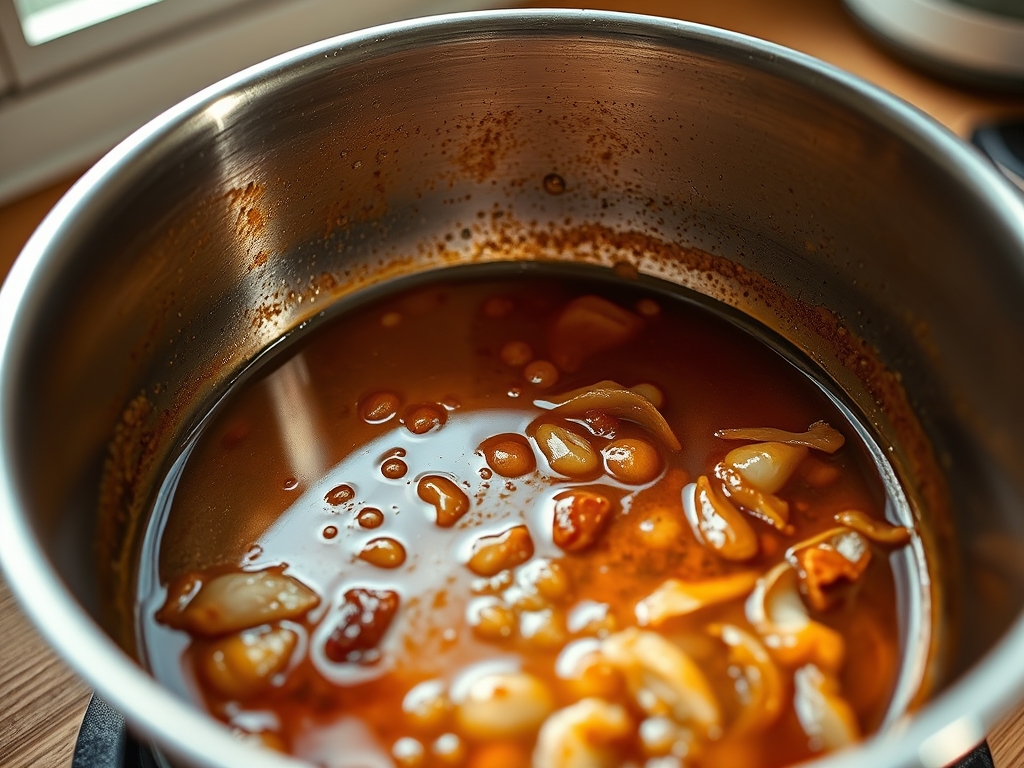
Place the belly in a heavy-bottomed saucier or roasting pan. Roast at a low 135 degrees Celsius (275 degrees Fahrenheit) until the internal temperature reaches 75 degrees Celsius. Finish with a high-heat blast at 230 degrees Celsius for 15 minutes to puff the skin.
Pro Tip: Low-temperature roasting allows the connective tissue (collagen) to gelatinize slowly. If you rush this with high heat initially, the muscle fibers will contract and squeeze out all the moisture, leaving you with dry, stringy meat.
Section B: Prep & Timing Fault-Lines:
Human error usually manifests as "The Rush." If you pull the pork from the cure too early, the center will remain grey and susceptible to bacterial growth. Technical Fix: Use the "Firmness Test." A fully cured pork belly should feel as dense as a cold stick of butter. If it still feels "squishy" in the center, it needs another 24 hours. Additionally, if your oven calibration is off, you risk scorching the exterior while the interior remains under-rendered. Always use an external probe thermometer to verify your oven's internal environment.
THE VISUAL SPECTRUM
Section C: Thermal & Visual Troubleshooting:
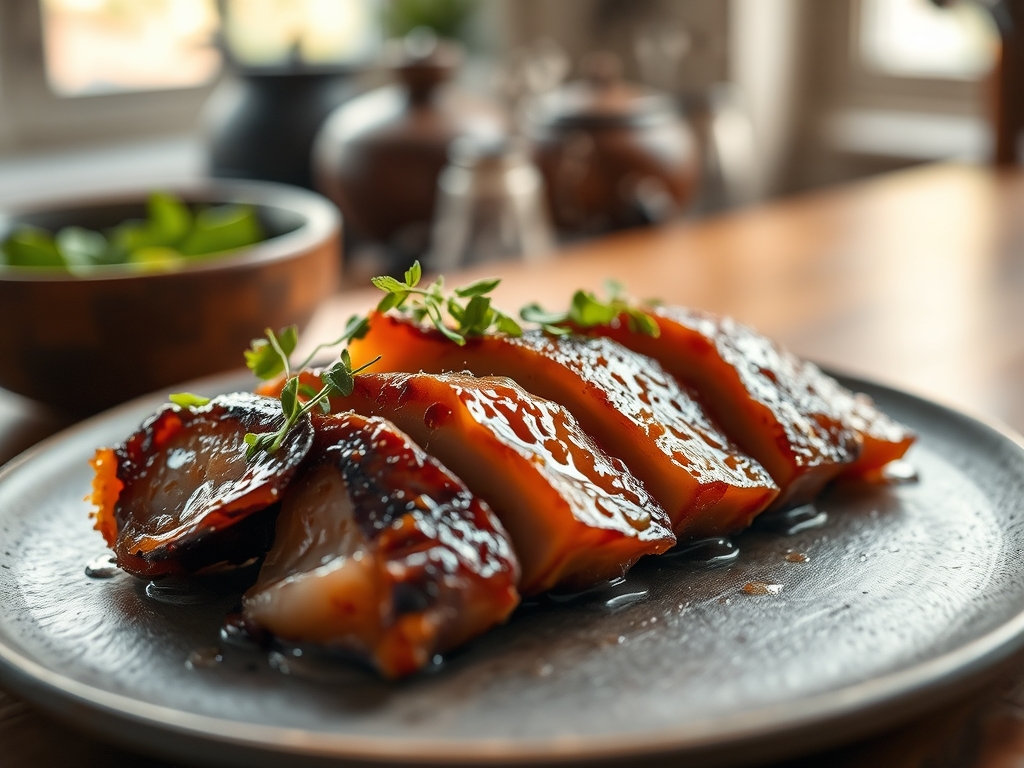
Referencing the Masterclass photo, notice the deep mahogany color of the skin and the distinct, visible layers of fat and lean meat. If your pork belly looks dull or grey, you likely skipped the sugar in the cure or failed to develop a proper pellicle. If the fat layers appear "yellowed," the fat has begun to oxidize; this happens when the meat is not stored in an airtight environment during the curing phase. To fix uneven browning, deglaze the pan with a splash of rice wine and baste the meat during the final 15 minutes of roasting. This creates a viscous glaze that promotes even heat distribution across the surface.
THE DEEP DIVE
Macro Nutrition Profile:
Salted Pork Belly is a high-density energy source. A standard 100g serving contains approximately 520 calories, 53g of fat, and 9g of protein. It is virtually carb-free, making it a staple for specific metabolic diets, provided the sodium content is managed.
Dietary Swaps:
- Vegan: Firm tofu or tempeh can be cured using the same spice profile and liquid smoke, though the lipid rendering will be absent.
- Keto: This dish is naturally keto-compliant. Replace the granulated sugar in the cure with an erythritol-based sweetener to minimize glycemic impact.
- Gluten-Free: Ensure your rice wine or sherry is certified gluten-free, as some lower-end brands use grain-based thickeners.
Meal Prep & Reheating Science:
To maintain the molecular structure, never reheat pork belly in a microwave; the radiation causes the fat to explode and the protein to toughen. Instead, slice it cold and sear the slices in a hot skillet. This infuses the meat with its own rendered fat, restoring the piquant crispness of the skin while keeping the center moist.
THE KITCHEN TABLE
Can I skip the pink curing salt?
You can, but the meat will turn grey and lose that characteristic "ham" flavor. More importantly, curing salt inhibits the growth of Clostridium botulinum during the long curing process. Use it for safety and aesthetics.
Why is my pork belly skin so tough?
You likely didn't score it deeply enough or the oven temperature wasn't high enough at the end. The skin needs intense heat to aerate and puff into "crackling." A quick pass with a kitchen torch can fix small spots.
How long does it last in the fridge?
Due to the high salt content and low moisture, a fully cured and roasted pork belly will remain shelf-stable in the refrigerator for up to two weeks if wrapped tightly in parchment paper and foil.
What do I do with the leftover rendered fat?
That is liquid gold. Filter it through a fine-mesh sieve and store it in a glass jar. Use it to deglaze pans or sauté greens; it is packed with concentrated pork essence and aromatics.