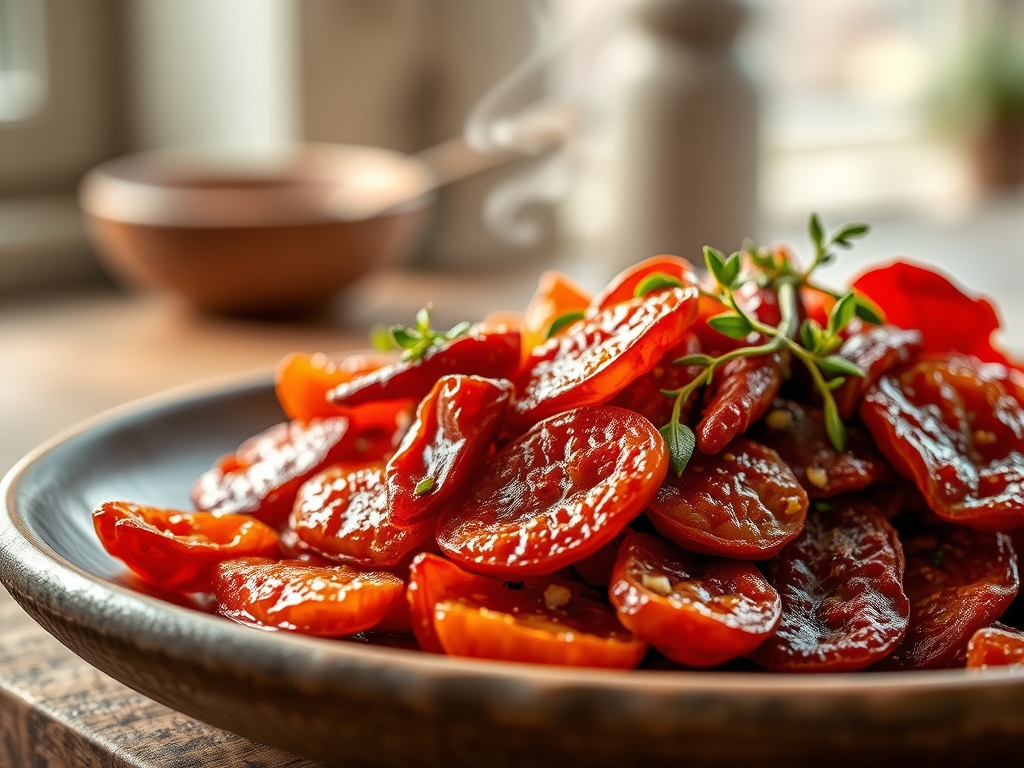
Imagine the high-velocity collision of solar radiation and cellular structure. We are not merely talking about shriveled fruit; we are discussing the total architectural collapse of a Roma tomato under the relentless gaze of the sun. This is the ultimate distillation of flavor. When you engage with Sun Dried Tomatoes, you are witnessing the aggressive evacuation of water, leaving behind a concentrated, viscous essence of umami that hits the palate like a freight train. The sugar content skyrockets. The acidity sharpens. The texture transforms from a watery orb into a chewy, leather-like substrate capable of anchoring the most complex sauces. This is culinary infrastructure at its most foundational level. We are stripping away the fluff to reveal the piquant soul of the nightshade. To master this process is to understand the atmospheric variables of heat, airflow, and humidity. It is a slow-motion chemical heist where the atmosphere steals the moisture and leaves you with pure, unadulterated gastronomic gold. Prepare your senses for a high-decibel flavor profile that redefines what a pantry staple can achieve.
THE DATA MATRIX
| Metric | Specification |
|---|---|
| Prep Time | 25 Minutes |
| Execution Time | 6 to 10 Hours (Dehydrator/Oven) |
| Yield | 250g / 8.8oz (Finished Product) |
| Complexity (1-10) | 4 |
| Estimated Cost per Serving | $0.45 USD |
THE GATHERS
Ingredient Protocol:
- 2.5kg / 5.5 lbs Firm Plum or Roma Tomatoes
- 15g / 1 tbsp Flaked Sea Salt
- 5g / 1 tsp Dried Oregano
- 500ml / 2 cups Extra Virgin Olive Oil (for storage)
- 4 cloves Fresh Garlic (peeled and sliced)
- 2g / 0.5 tsp Citric Acid (optional for color retention)
Section A: Ingredient Quality Audit:
If your raw materials lack structural integrity, the final product will be a disaster. Mealy, overripe tomatoes possess a degraded cellular wall; these will turn into a mushy paste rather than a firm, chewy strip. If you are stuck with sub-par fruit, utilize a digital scale to ensure precise salt distribution. Salt acts as a desiccant, drawing out internal moisture via osmosis. For tomatoes lacking acidity, a microscopic dusting of citric acid will infuse a bright, sharp note that mimics the profile of a vine-ripened specimen. Avoid beefsteak varieties at all costs; their high water-to-flesh ratio results in a hollow, unsatisfying yield that lacks the necessary density for successful atmospheric drying.
THE MASTERCLASS
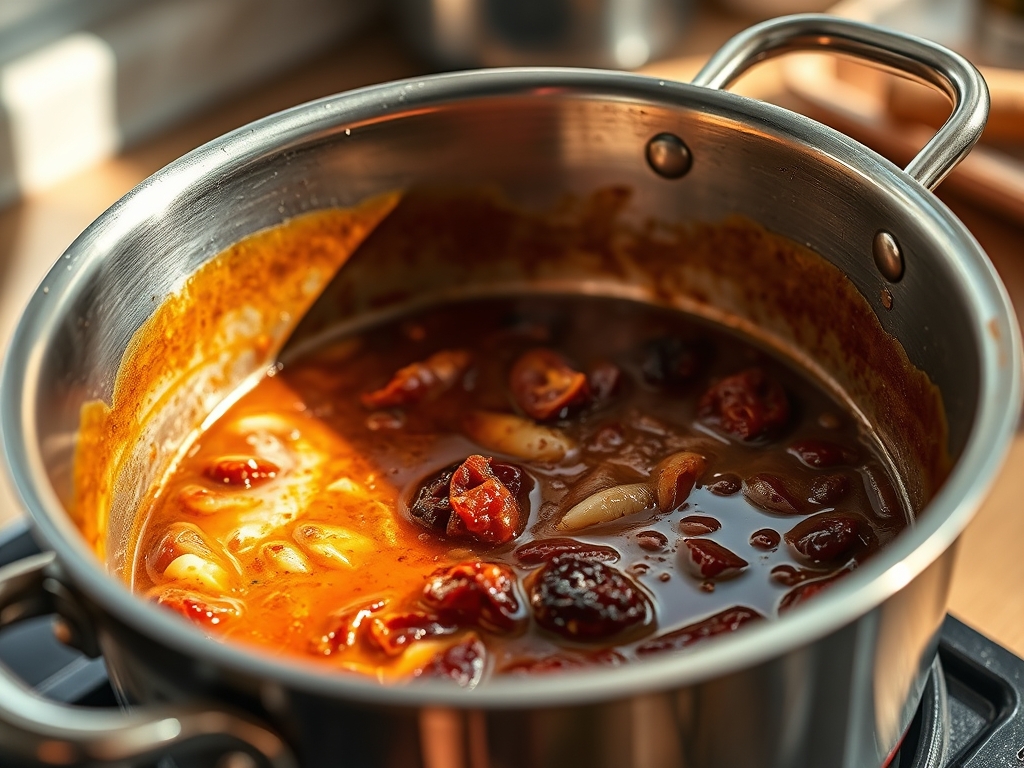
1. Longitudinal Sectioning
Begin by bisecting your tomatoes lengthwise. Use a serrated utility knife or a sharp chef knife to ensure clean cuts without bruising the flesh. Remove the stem scar but retain the seeds and internal membranes, as these contain high concentrations of glutamates.
Pro Tip: Use a bench scraper to efficiently clear your workstation of organic debris. The science here involves maximizing surface area; a clean, flat cut allows for uniform evaporation across the entire exposed face of the fruit.
2. The Osmotic Pre-Treatment
Arrange the halves on a wire cooling rack set over a sheet pan. Dust the exposed flesh evenly with sea salt. This is not just for seasoning; the salt creates a high-solute environment on the surface, forcing water to migrate out of the cells through the semi-permeable membrane.
Pro Tip: Weigh your salt on a digital scale to maintain a 0.5% salt-to-weight ratio. This precision prevents over-seasoning while ensuring maximum moisture extraction before the heat even begins.
3. Controlled Thermal Evacuation
Place the trays in a dehydrator set to 57C (135F) or an oven at its lowest possible setting. If using an oven, prop the door open slightly with a wooden spoon to allow moisture-laden air to escape. This prevents the tomatoes from steaming in their own juices.
Pro Tip: Use an infrared thermometer to verify the surface temperature of the trays. Maintaining a steady, low heat prevents the sugars from undergoing premature Maillard browning, which can lead to a bitter, burnt aftertaste.
4. The Pliability Audit
After 6 hours, begin checking for texture. The tomatoes are finished when they are dry to the touch but still flexible, similar to the feel of a high-quality leather. They should not be brittle enough to snap, nor should they release any moisture when squeezed.
Pro Tip: Use a saucier to lightly warm your olive oil to 65C (150F) before packing the tomatoes. This thermal shock helps to render the remaining essential oils from the herbs and garlic, creating a more robust infusion.
5. Lipid Submersion and Infusion
Pack the dried tomatoes into sterilized glass jars, layering them with sliced garlic and oregano. Cover completely with extra virgin olive oil. Ensure no air pockets remain, as oxygen is the enemy of preservation.
Pro Tip: Use a thin silicone spatula to press the tomatoes down, forcing air bubbles to the surface. This ensures the lipids completely encapsulate the fruit, preventing oxidative rancidity and extending shelf life.
Section B: Prep & Timing Fault-Lines:
The most common failure in this protocol is the "Wet Core" syndrome. If you rush the timing or use a temperature that is too high, the exterior of the tomato case-hardens, trapping moisture inside. This leads to rapid mold growth. To fix this, ensure your airflow is high; use a convection fan if available. If the tomatoes feel "tacky" rather than "dry," they require another 90 minutes of processing. Precision in timing is the difference between a shelf-stable delicacy and a compost heap.
THE VISUAL SPECTRUM
Section C: Thermal & Visual Troubleshooting:
Look at the reference photo: notice the deep, ruby-red hue and the puckered, architectural edges. If your Sun Dried Tomatoes appear black or dark brown, your oven was likely too hot, causing the fructose to caramelize too quickly. If they appear pale or dusty, you may have used too much salt or failed to provide enough heat to concentrate the lycopene. The goal is a vibrant, saturated red. If the skins appear "blistered," you have likely skipped the salt pre-treatment, which is essential for a smooth, even reduction in volume.
THE DEEP DIVE
Macro Nutrition Profile:
Per 30g serving, Sun Dried Tomatoes are a powerhouse of concentrated nutrients. You are looking at approximately 75 calories, 4g of fiber, and 2g of protein. More importantly, the bioavailability of lycopene (a potent antioxidant) is significantly higher in dried tomatoes than in raw ones due to the breakdown of cellular walls during the heating process.
Dietary Swaps:
- Vegan: Naturally compliant. Use high-quality oil for maximum satiety.
- Keto: Extremely low net carb count; the high oil content makes this a perfect fat-bomb addition to salads.
- GF: Inherently gluten-free. Ensure your dried herbs are not processed in facilities with wheat.
Meal Prep & Reheating Science:
These are the ultimate meal-prep infrastructure. Stored in oil in the refrigerator, they remain stable for up to 6 months. When reheating in a sauce, the dried fruit will deglaze slightly, releasing its concentrated sugars into the liquid and thickening the consistency. To maintain the molecular structure, do not boil them aggressively; instead, allow them to gently infuse into your simmering liquids at the end of the cooking cycle.
THE KITCHEN TABLE
How do I store these if I don't use oil?
If you prefer a dry storage method, place the finished tomatoes in a vacuum-sealed bag and freeze. This prevents the fruit from absorbing ambient moisture and becoming rubbery or prone to bacterial growth.
Why are my tomatoes turning tough like plastic?
This is a result of over-drying at too high a temperature. The sugars have crystallized into a hard matrix. To salvage, soak them in warm balsamic vinegar for 20 minutes to rehydrate the fibers.
Can I use cherry tomatoes for this?
Absolutely. Cherry tomatoes provide a higher sugar-to-acid ratio, resulting in "tomato candy." However, the drying time is reduced by 40%, so monitor them closely to prevent total carbonization.
Is the oil used for packing reusable?
Yes. That oil is now a high-value byproduct infused with lycopene and aromatics. Use it to aerate a vinaigrette or as a base for a piquant pasta sauce. It is liquid gold.