The kitchen clock strikes twenty-two hundred hours and the metabolic audit begins. You are not just preparing a snack; you are engineering a slow-release biological fortress to sustain protein synthesis through the nocturnal fast. This is the ritual of Greek Yogurt Night. Forget the watery, sugar-laden commercial tubs that collapse under the slightest spoon pressure. We are hunting for structural integrity and a viscous mouthfeel that rivals clotted cream. When you plunge your utensil into a high-grade Greek yogurt, it should resist. It should hold its peak like a defiant mountain range. This is about the science of casein release, the steady drip-feed of amino acids that prevents muscle catabolism while you dream of culinary perfection. We are looking for that piquant tang, the result of controlled fermentation that cuts through the richness of added lipids. Every gram of moisture removed during the straining process increases the density of the protein matrix, transforming a simple dairy product into a high-performance recovery vehicle. Let us calibrate your station for the ultimate evening deployment.
THE DATA MATRIX
| Metric | Specification |
|---|---|
| Prep Time | 8 Minutes |
| Execution Time | 2 Minutes |
| Yield | 1 Serving |
| Complexity (1-10) | 2 |
| Estimated Cost per Serving | $1.85 |
THE GATHERS
Ingredient Protocol:
- 227g / 1 cup Autochthonous Greek Yogurt (0% or 2% fat based on macro requirements).
- 30g / 2 tbsp Cold-Pressed Almond Butter or Marrow-dense Walnut Halves.
- 15g / 1 tbsp Raw Manuka Honey or Organic Agave Nectar.
- 5g / 1 tsp Ceylon Cinnamon (for glycemic control).
- 40g / 0.25 cup High-Fiber Anthocyanin Source (Fresh Blackberries or Blueberries).
- 10g / 1 tbsp Toasted Hemp Hearts (for essential fatty acids).
Section A: Ingredient Quality Audit:
If your yogurt exhibits "whey-off" (that thin, yellowish liquid sitting on top), do not discard it. That liquid contains valuable minerals and protein; however, excessive separation indicates the product has been agitated or subjected to temperature fluctuations. Whisk it back in to infuse the mass with moisture or strain it through a cheesecloth to achieve a thicker, "labneh" style consistency. If your nut butter is gritty or separated, use a mini-immersion blender to re-emulsify the oils. Sub-par honey that has crystallized can be salvaged by placing the jar in a warm water bath at 40 degrees Celsius to melt the crystals without destroying the delicate enzymes.
THE MASTERCLASS
1. Calibrate the Base Vessel
Place your chilled glass bowl on a digital scale and tare it to zero. Add the Greek yogurt with a silicone spatula to ensure every gram is accounted for.
Pro Tip: Using a chilled bowl prevents the yogurt from warming up too quickly. Maintaining a temperature below 4 degrees Celsius preserves the viscous texture and prevents the lactic acid from becoming overly aggressive on the palate.
2. The Lipid Integration
Measure your nut butter and drizzle it in a circular motion over the surface. Do not stir it in completely; you want distinct "veins" of fat to create a sensory contrast.
Pro Tip: Use a saucier spoon or a narrow offset spatula to create a well in the center. This structural engineering allows the honey to pool rather than run off the sides of the yogurt mound.
3. Spice Aeration and Micronutrient Deployment
Dust the cinnamon from a height of six inches to ensure even distribution. Add the berries and hemp hearts with precision, focusing on the visual architecture of the bowl.
Pro Tip: To aerate the spice, use a fine-mesh sieve. This prevents clumps of cinnamon from hitting the tongue, which can cause an astringent reaction that masks the sweetness of the fruit.
4. The Final Glaze
Drizzle the honey in a thin, steady stream. The viscosity of the honey should be high enough to sit on top of the yogurt without immediately sinking.
Pro Tip: If using a bench scraper to clean your station afterwards, you will realize that precision in the assembly phase minimizes waste. A clean execution reflects a disciplined kitchen.
Section B: Prep & Timing Fault-Lines:
The most common failure in Greek Yogurt Night is the "Temperature Shock" error. Taking yogurt out of the refrigerator thirty minutes before consumption allows the bacterial cultures to become overly active, thinning the consistency. Conversely, adding frozen berries directly to the yogurt can create "Ice Bridges," where the moisture from the yogurt freezes onto the berry, creating a crunchy, unpleasant texture. For optimal results, ensure berries are at room temperature to provide a thermal contrast to the cold dairy. Timing is also critical; consume this exactly 45 to 60 minutes before sleep to align the casein release with your initial REM cycles.
THE VISUAL SPECTRUM
Section C: Thermal & Visual Troubleshooting:
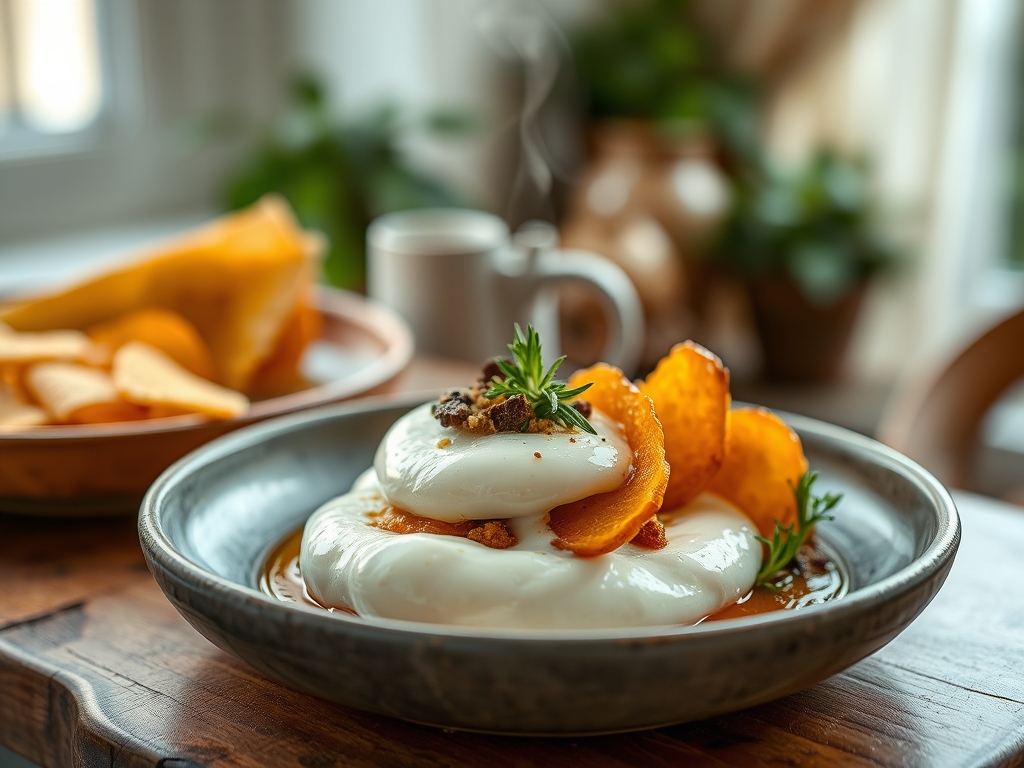
Look at the Masterclass photo above. Notice the "matte" finish of the yogurt against the "gloss" of the honey. If your yogurt looks shiny or translucent, it likely contains stabilizers like guar gum or carrageenan, which indicate a lower-quality ferment. The berries should look plump and "dusted" with cinnamon, not bleeding purple juice into the white base. If bleeding occurs, your fruit is overripe or has been crushed during handling. To fix a dull visual profile, add a sprig of fresh mint to infuse the air with menthol, which brightens the olfactory experience and makes the whites of the yogurt pop against the dark berries.
THE DEEP DIVE
Macro Nutrition Profile:
A standard deployment yields approximately 25g of protein, 12g of healthy fats, and 18g of complex/simple carbohydrates. The high protein-to-calorie ratio makes this the gold standard for nocturnal recovery.
Dietary Swaps:
- Vegan: Swap Greek yogurt for a high-protein almond or soy-based ferment. Use maple syrup instead of honey.
- Keto: Replace the honey with liquid monk fruit drops and swap berries for extra pecans or macadamia nuts to increase the lipid profile.
- GF: This protocol is naturally gluten-free, provided your hemp hearts and nuts are processed in a certified facility.
Meal Prep & Reheating Science:
Do not "reheat" yogurt. It will break the emulsion and result in a curdled mess. For meal prep, you can portion the yogurt into airtight glass jars up to 4 days in advance. However, do not add the "crunch" elements (nuts/seeds) until the moment of consumption. Moisture migration will turn your hemp hearts into mush, destroying the textural contrast required for a premium experience.
THE KITCHEN TABLE
Why does my yogurt taste sourer some nights?
Agitation and temperature are the culprits. If the yogurt has been sitting in a warm car or stirred vigorously, the lactic acid becomes more pronounced. Keep it still and keep it cold to maintain a mellow, creamy profile.
Can I use regular yogurt instead of Greek?
Regular yogurt lacks the structural density. It has not been strained, meaning the protein concentration is significantly lower. For the purpose of a nighttime casein audit, regular yogurt is an insufficient substrate that will not sustain you.
What if I do not have a digital scale?
While volume measurements (cups/spoons) work, they are imprecise. A "tablespoon" of almond butter can vary by 10 grams depending on the heap. For consistent metabolic results, the digital scale is your most vital diagnostic tool.
Is the cinnamon really necessary?
Cinnamon is more than a garnish; it is a metabolic regulator. It helps manage the insulin response to the honey and fruit, ensuring that your blood sugar remains stable while the casein protein does its heavy lifting.