The clock reads 03:00 and your circadian rhythm is screaming for a structural intervention. Forget the soggy, lukewarm takeout that tastes like cardboard and regret. We are building a high-performance fuel cell designed for the graveyard shift. This is not just breakfast; it is a strategic deployment of amino acids and lipids. The Night Shift Omelet is the gold standard of midnight logistics. It requires a precise balance of heat and motion to transform viscous proteins into a pillowy, golden-brown masterpiece. We are looking for a specific texture: a tender, custard-like interior protected by a structurally sound, lightly caramelized exterior. This dish provides the immediate satiety and sustained energy required to navigate the high-stakes environment of the late-night grind. We are bypassing the standard diner grease and moving straight into a professional-grade culinary audit. Prepare your station. We are about to execute a thermal transformation that would make a chemical engineer weep with joy. This is the ultimate Night Shift Omelet.
THE DATA MATRIX
| Metric | Specification |
|---|---|
| Prep Time | 5 Minutes |
| Execution Time | 3 Minutes |
| Yield | 1 Serving |
| Complexity (1-10) | 4 |
| Estimated Cost per Serving | $2.15 |
THE GATHERS
Ingredient Protocol:
- 3 Large Eggs (approx. 150g / 5.3 oz)
- 30ml / 2 tbsp Unsalted High-Fat Butter
- 15ml / 1 tbsp Heavy Cream
- 45g / 1.5 oz Sharp Cheddar, finely grated
- 2g / 0.5 tsp Kosher Salt
- 1g / 0.25 tsp Freshly Cracked Black Pepper
- 5g / 1 tbsp Fresh Chives, minced
Section A: Ingredient Quality Audit:
If your eggs are past their prime, they will lack the structural integrity needed to aerate properly. You will notice a watery white that refuses to hold a stable foam. To fix this, add a tiny pinch of cream of tartar to stabilize the protein bonds. If your butter has a high water content, it will sputter and burn rather than render cleanly. Always opt for European-style butter with at least 82 percent butterfat. If your cheese is pre-shredded, the anti-caking agents will prevent a smooth melt; use a microplane to grate a block fresh for a superior viscous flow.
THE MASTERCLASS
1. The Emulsion Phase
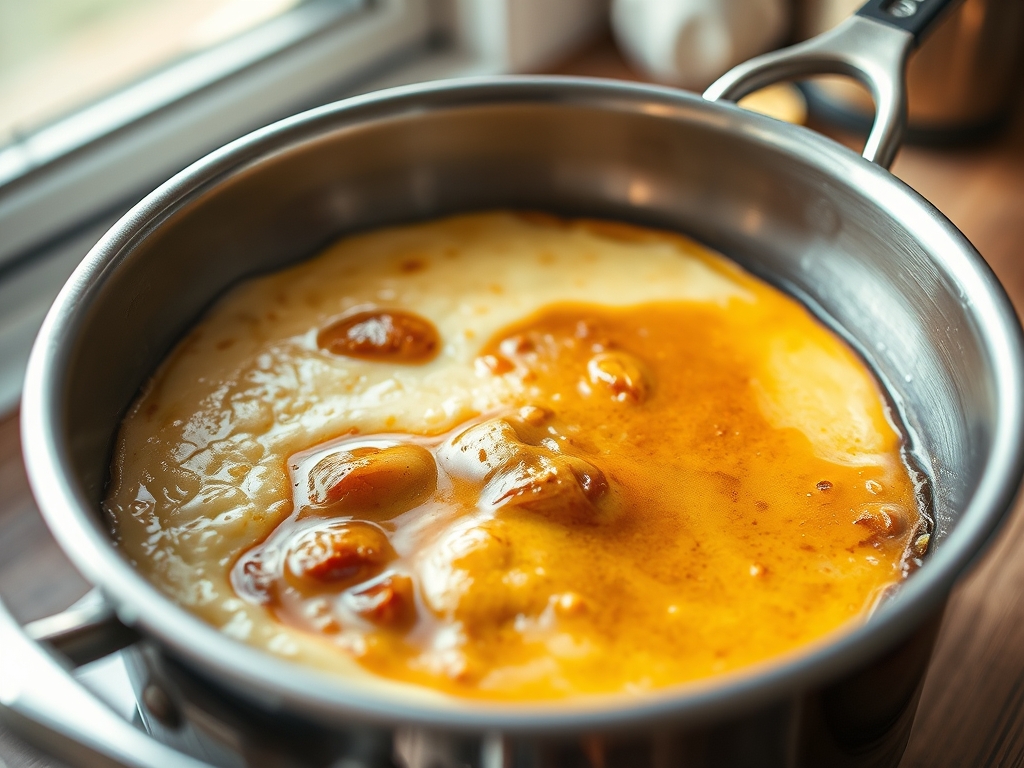
Whisk your eggs, heavy cream, salt, and pepper in a stainless steel bowl until no streaks of white remain. You are looking to create a uniform, viscous liquid. Use a digital scale to ensure your ratios are exact.
Pro Tip: Incorporating the cream early allows the fats to coat the egg proteins. This prevents them from bonding too tightly when heated, ensuring a tender curd. This is basic molecular gastronomy: the fat acts as a physical barrier against over-coagulation.
2. Thermal Priming
Place an 8-inch non-stick skillet over medium-high heat. Add the butter and wait for the foaming to subside. You want the milk solids to just begin to turn a nutty brown. This is the start of the Maillard reaction.
Pro Tip: Use a saucier or a dedicated omelet pan with sloped sides. The geometry of the pan allows for easier manipulation of the egg mass. If the butter browns too quickly, your pan is too hot; pull it off the burner immediately to reset the thermal baseline.
3. The Agitation Sequence
Pour the egg mixture into the center of the pan. Immediately begin stirring in a circular motion with a heat-resistant silicone spatula while simultaneously shaking the pan. This creates small, creamy curds similar to scrambled eggs.
Pro Tip: This technique is about maximizing surface area. By constantly moving the eggs, you ensure that no single part of the protein matrix is exposed to the direct heat for too long. This prevents the rubbery texture common in amateur attempts.
4. Structural Setting
Once the eggs are 75 percent set but still look wet on top, stop stirring. Use your spatula to smooth the eggs into an even layer. Sprinkle the grated cheese across the center. Let it sit for 30 seconds to allow the bottom to form a cohesive crust.
Pro Tip: Use a bench scraper to tidy the edges if they become jagged. A clean edge is the hallmark of a professional build. The cheese should begin to infuse with the residual heat of the eggs, melting into the core.
5. The Final Fold
Tilt the pan at a 45-degree angle. Use the spatula to fold one-third of the omelet over the center. Slide the omelet toward the edge of the pan and flip the entire assembly onto a warmed plate, seam-side down.
Pro Tip: The residual heat will finish cooking the interior as the dish rests. This is known as carry-over cooking. If the omelet looks fully cooked in the pan, it will be overcooked by the time you take your first bite.
Section B: Prep & Timing Fault-Lines:
The biggest failure in night shift cooking is thermal impatience. If you rush the heat, the exterior will sear and go bitter before the interior can render its fats. Conversely, if your pan is too cold, the eggs will stick and tear. Always perform a "water bead" test: a drop of water should dance across the surface of the pan before evaporating. If it just sits there and sizzles, you are not ready for deployment.
THE VISUAL SPECTRUM
Section C: Thermal & Visual Troubleshooting:
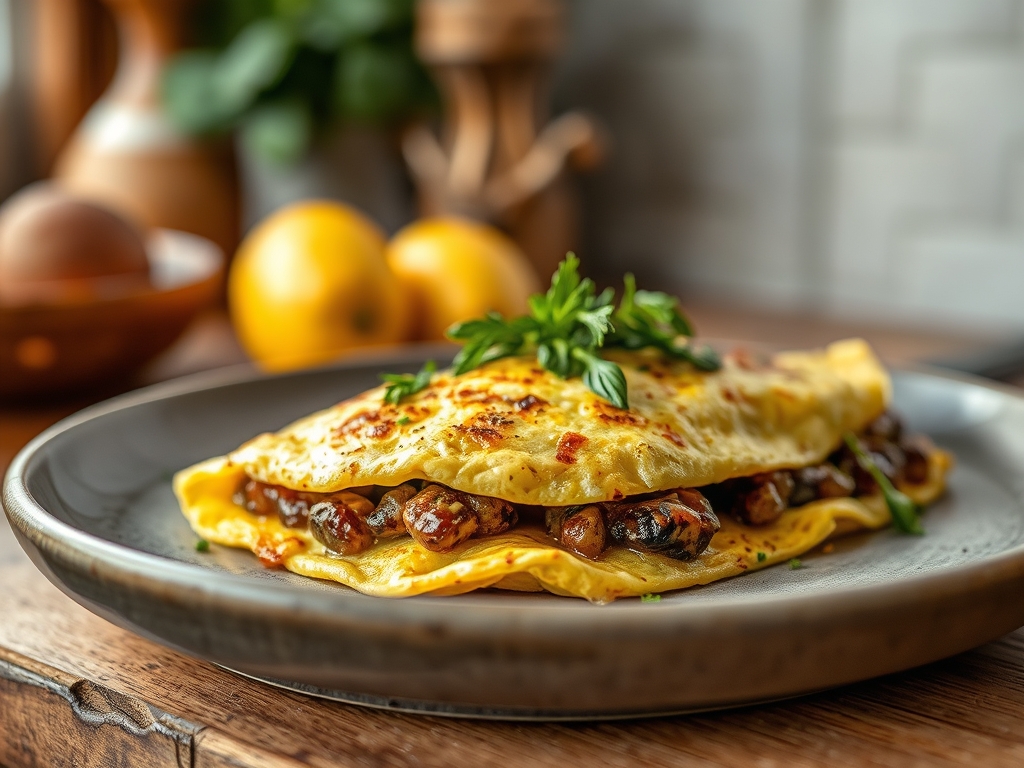
Look at the Masterclass photo above. Notice the lack of dark brown spots; the surface is a uniform, pale gold. If your omelet looks like a topographical map of the moon, your heat was too high. If the color is dull or greyish, your eggs were likely oxidized or over-whisked too far in advance. The goal is a glossy, vibrant yellow. If the cheese is leaking oil, you have broken the emulsion by overheating the fats. Aim for a piquant aroma and a smooth, unbroken surface that yields easily to a fork.
THE DEEP DIVE
Macro Nutrition Profile:
This build delivers approximately 420 calories, 32g of fat, 28g of protein, and 2g of carbohydrates. It is a ketogenic powerhouse designed to keep blood sugar stable during the 04:00 energy dip. The high choline content in the yolks supports cognitive function during high-stress shifts.
Dietary Swaps:
- Vegan: Replace eggs with a mung-bean-based substitute and use nutritional yeast for a piquant cheesy flavor.
- Keto: This recipe is natively keto-compliant. Increase fat by adding avocado as a garnish.
- GF: Naturally gluten-free. Ensure your spices are not bulked with flour-based anti-clumping agents.
Meal Prep & Reheating Science:
To maintain molecular structure when reheating, avoid the microwave. The high-intensity radiation will toughen the proteins. Instead, use a vacuum sealer to store the omelet and reheat it in a 65-degree Celsius water bath for 10 minutes. This preserves the moisture and the delicate texture of the curds.
THE KITCHEN TABLE
How do I prevent my omelet from sticking?
Ensure your pan is properly seasoned and use enough butter. The fat acts as a lubricating layer between the egg proteins and the pan surface. If it sticks, your heat was likely too low during the initial pour.
Can I add vegetables to the Night Shift Omelet?
Yes, but you must deglaze and sauté them separately first. Raw vegetables release water when heated, which will steam the eggs from the inside out and ruin the structural integrity of the protein matrix.
Why use heavy cream instead of milk?
Heavy cream has a higher fat-to-water ratio. Milk contains more lactose and water, which can lead to a tougher, thinner omelet. The extra fat in cream ensures a more viscous and luxurious mouthfeel.
What is the best cheese for melting?
High-moisture cheeses like sharp cheddar, fontina, or gruyere are ideal. They have a lower melting point and provide a superior stretch. Avoid aged hard cheeses like parmesan for the filling as they can become grainy.
How do I get that professional shine?
Brush the finished omelet with a small amount of melted butter right before serving. This adds a final layer of lipids that catches the light and enhances the piquant aroma of the dish.