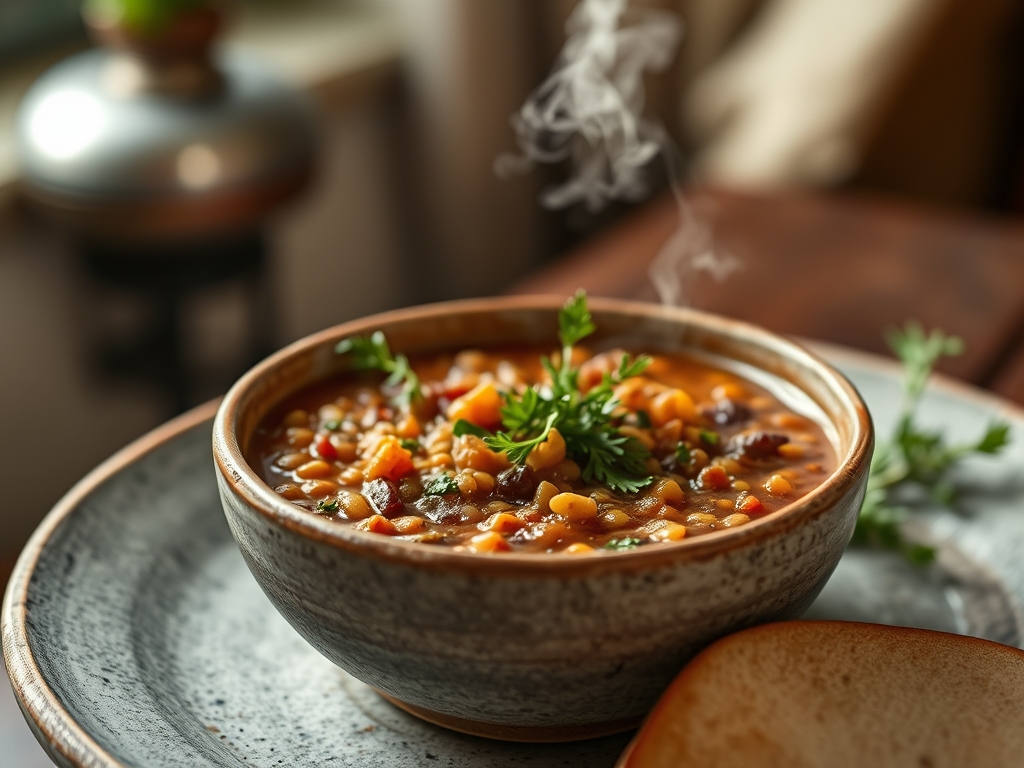
Forget everything you know about the watery, lackluster legumes of your childhood; we are entering the realm of high-performance culinary architecture. When we discuss the Lentil Shift Soup, we are not just talking about dinner. We are talking about a structural masterpiece designed to stabilize glycemic response while delivering a sensory payload that hits like a freight train. Imagine the scent of toasted cumin and rendered aromatics filling your kitchen, creating a viscous, golden broth that clings to the back of a spoon with professional intent. This is the Lentil Shift Soup: a dish where texture meets timing, and where the humble lentil undergoes a molecular metamorphosis into a piquant, savory powerhouse. We are auditing your kitchen infrastructure today to ensure every fiber of this stew is optimized for maximum impact. We do not accept mediocrity in this lab. We demand deep flavor, perfect starch suspension, and a finish that glows with the brilliance of high-quality fats and precision seasoning. Strap in; it is time to shift your perspective on what a soup can achieve.
THE DATA MATRIX
| Metric | Specification |
|---|---|
| Prep Time | 20 Minutes |
| Execution Time | 45 Minutes |
| Yield | 6 Servings |
| Complexity (1-10) | 4 |
| Estimated Cost per Serving | $1.85 |
THE GATHERS
Ingredient Protocol:
- 500g / 2.25 cups Red Split Lentils (rinsed until water runs clear)
- 30ml / 2 tbsp Extra Virgin Olive Oil
- 1 Large Yellow Onion (finely diced)
- 3 Large Carrots (peeled and small-diced)
- 4 Cloves Garlic (minced)
- 10g / 2 tsp Ground Cumin
- 5g / 1 tsp Smoked Paprika
- 2.5g / 0.5 tsp Turmeric Powder
- 1.5L / 6 cups Low-Sodium Vegetable or Bone Broth
- 1 Large Lemon (juiced and zested)
- 15g / 1 tbsp Sea Salt (adjust to taste)
- Fresh Cilantro or Parsley for garnish
Section A: Ingredient Quality Audit:
If your lentils are older than a year, they will refuse to soften regardless of how long you simmer them. This is due to hard-to-cook (HTC) syndrome, where the cell walls become lignified. If you suspect your legumes are aged, add 1.25g (1/4 tsp) of baking soda to the soaking water to help break down the pectin. Furthermore, if your spices do not punch you in the nose with aroma when opened, they are dead. Bloom them in hot oil for 60 seconds to resuscitate any remaining volatile oils. If the broth tastes metallic, it is likely a low-quality canned variety; fix this by adding a teaspoon of tomato paste to the aromatics to provide a savory, umami backbone.
THE MASTERCLASS
Step 1: The Aromatic Foundation
Heat your heavy-bottomed saucier over medium heat and add the olive oil. Once the oil shimmers, introduce the onion and carrots. Sauté until the onions are translucent and the carrots begin to render their natural sugars. Use a bench scraper to transfer your prep work cleanly from the board to the pot.
Pro Tip: The goal here is sweat, not sear. By keeping the temperature moderate, you encourage the release of moisture which allows the vegetables to soften without the bitterness of char. This creates a sweet, complex base for the Lentil Shift Soup.
Step 2: Spicing and Activation
Add the garlic, cumin, paprika, and turmeric. Stir constantly for 60 to 90 seconds. You are looking for the spices to become incredibly fragrant as they infuse the oil.
Pro Tip: This is known as "blooming." Many flavor compounds in spices are fat-soluble rather than water-soluble. By frying them briefly, you unlock a depth of flavor that boiling alone can never achieve. Use a digital scale to ensure your spice ratios are exact; precision is the hallmark of a professional.
Step 3: The Lentil Integration
Add the rinsed lentils to the pot and stir to coat them in the spiced oil. This brief "toasting" phase helps the lentils maintain some structural integrity before they begin to break down into a viscous puree.
Pro Tip: Coating the lentils in fat before adding liquid creates a slight barrier that slows the initial water absorption. This ensures the exterior does not turn to mush before the interior is fully hydrated.
Step 4: Hydration and Simmer
Pour in the broth and bring the mixture to a rolling boil. Immediately reduce the heat to low and cover with a tight-fitting lid. Simmer for 25 to 30 minutes.
Pro Tip: Do not salt the soup until the lentils are tender. Salt can toughen the skins of legumes if added too early, significantly increasing your cook time and resulting in an uneven texture.
Step 5: The Emulsification Shift
Once the lentils are tender, use an immersion blender to partially blend the soup. Aim for a 30 percent "crush" to create a creamy base while leaving enough whole lentils for textural contrast. Stir in the lemon juice and zest.
Pro Tip: The acidity of the lemon acts as a flavor brightener. It cuts through the density of the starch and the richness of the oil, providing a high-frequency finish that balances the earthy base notes.
Section B: Prep & Timing Fault-Lines:
The most common failure in Lentil Shift Soup is the "Boil Over." Red lentils produce a significant amount of foam (saponins) when they first hit the heat. If you leave the lid on tight during the initial ramp-up, you will spend your evening cleaning the stove. Keep the lid slightly ajar until the foam subsides. Another timing error is the "Garlic Burn." If you add the minced garlic at the same time as the onions, it will overcook and turn acrid. Always add garlic last in the aromatic sequence.
THE VISUAL SPECTRUM
Section C: Thermal & Visual Troubleshooting:
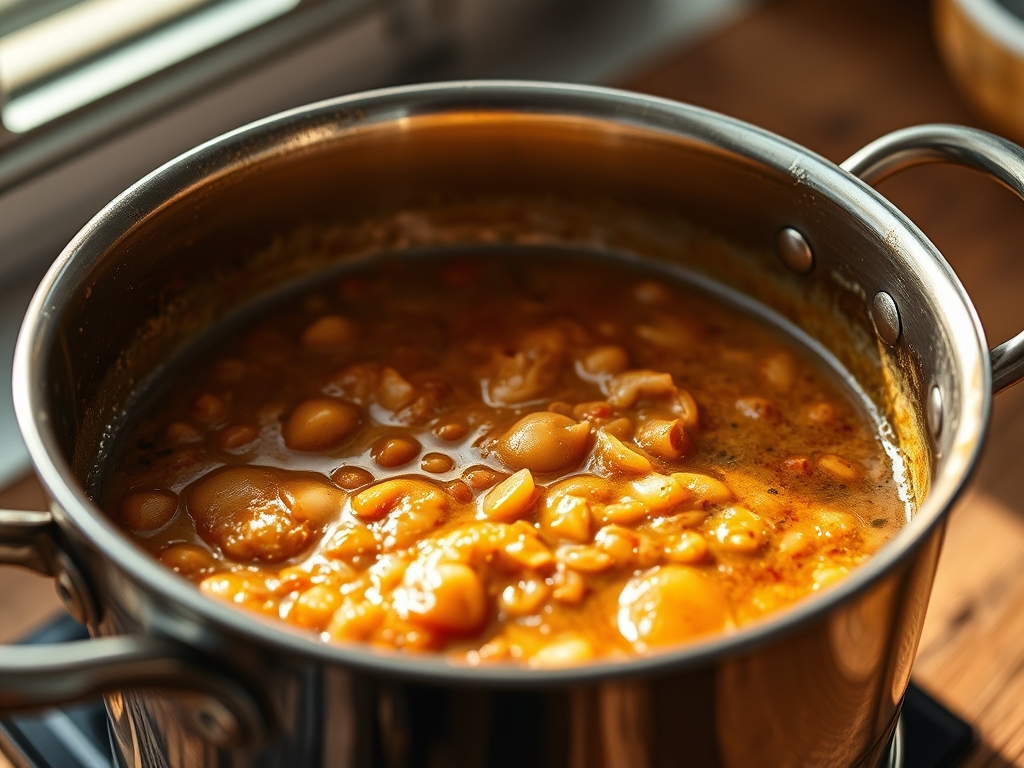
Look at the Masterclass photo above. Notice the vibrant, golden-orange hue and the way the oil droplets glisten on the surface. If your soup looks gray or dull, you likely skipped the turmeric or overcooked the greens. If the soup appears broken or watery, you did not achieve enough starch release; use a whisk to vigorously aerate and emulsify the liquid. A professional soup should have a consistent "sheen" that indicates the fats are properly suspended in the starch matrix. If the surface looks matte, a final drizzle of high-quality oil will restore the visual luxury.
THE DEEP DIVE
Macro Nutrition Profile: This soup is a powerhouse of slow-burning carbohydrates and plant-based protein. A standard serving provides approximately 18g of protein, 12g of fiber, and only 4g of fat. It is the definition of high-efficiency fuel.
Dietary Swaps: For a Vegan profile, ensure your broth is vegetable-based. For Keto enthusiasts, replace half the lentils with riced cauliflower to lower the net carb count while maintaining the bulk. This recipe is naturally Gluten-Free, provided your broth is certified.
Meal Prep & Reheating Science: Lentils are notorious for absorbing liquid as they sit. When reheating, the molecular structure of the starch will have tightened. Add 50ml of water or broth per serving before microwaving or stovetop heating to restore the original viscosity. Do not boil it again; a gentle warm-up preserves the delicate lemon aromatics.
THE KITCHEN TABLE
Why is my soup so thick the next day?
Lentils continue to hydrate even after the heat is off. The starches form a gel-like matrix as they cool. Simply whisk in a splash of water during reheating to break those bonds and return it to a liquid state.
Can I use green lentils instead?
You can, but the texture will change. Green lentils hold their shape and will not create the same creamy, integrated base as red lentils. You may need to increase the cook time by 15 minutes to reach the desired tenderness.
Is the lemon juice mandatory?
Absolutely. Without the acid, the soup tastes "flat." The citric acid interacts with your taste buds to amplify the salt and spices. It is the difference between a good soup and a world-class one.
How do I get that professional sheen?
The sheen comes from a successful emulsion of fats and starches. Ensure you are using a high-quality olive oil and give the soup a vigorous stir or a quick pulse with a blender right before serving.