The sun retreats and the fluorescent hum of the industrial kitchen takes command. For the nocturnal elite, the standard dinner protocol is a logistical failure; you need a slow-burning fuel source that bridges the gap between midnight shifts and sunrise recovery. Welcome to Cottage Cheese Night. This is not the watery, bland curd of 1970s diet culture. We are engineering a high-protein, casein-heavy infrastructure designed for sustained amino acid release. We are talking about a curd structure that is viscous, rich, and strategically seasoned to prevent palate fatigue. As the world sleeps, your metabolism requires a steady drip of nitrogenous fuel to maintain muscle synthesis and cognitive clarity. We are going to infuse this dairy base with savory aromatics and toasted textures that transform a simple tub of curds into a sophisticated midnight node. It is time to audit your pantry and prep for a shift that demands more than just caffeine. This is tactical nutrition disguised as a gourmet indulgence.
THE DATA MATRIX
| Metric | Specification |
|---|---|
| Prep Time | 8 Minutes |
| Execution Time | 12 Minutes |
| Yield | 2 Servings |
| Complexity (1-10) | 3 |
| Estimated Cost per Serving | $2.75 |
THE GATHERS
Ingredient Protocol:
- 500g / 2 cups Small Curd Cottage Cheese (minimum 4 percent milk fat)
- 15ml / 1 tablespoon Extra Virgin Olive Oil
- 30g / 1/4 cup Raw Pepitas (Pumpkin Seeds)
- 5ml / 1 teaspoon Smoked Paprika (Piquant Grade)
- 2g / 1/2 teaspoon Flaky Sea Salt
- 10g / 1 tablespoon Fresh Chives, finely minced
- 5ml / 1 teaspoon Lemon Zest
- 15ml / 1 tablespoon Honey or Agave (optional for contrast)
Section A: Ingredient Quality Audit:
If your cottage cheese exhibits a thin, watery consistency, your nitrogenous node will collapse. This usually occurs due to "wheying off," where the liquid separates from the solids during storage. To fix this, do not discard the liquid; instead, aerate the mixture using a whisk to re-emulsify the proteins. If the curds are too firm or rubbery, they have likely been over-acidified during production. You can soften the texture by folding in 15ml of heavy cream or Greek yogurt to restore a viscous mouthfeel. For the pepitas, ensure they are not rancid by smelling for a "cardboard" aroma. If they lack crunch, a quick flash-fry in a saucier with a drop of neutral oil will revitalize their cellular structure.
THE MASTERCLASS
Step 1: The Thermal Activation of Aromatics
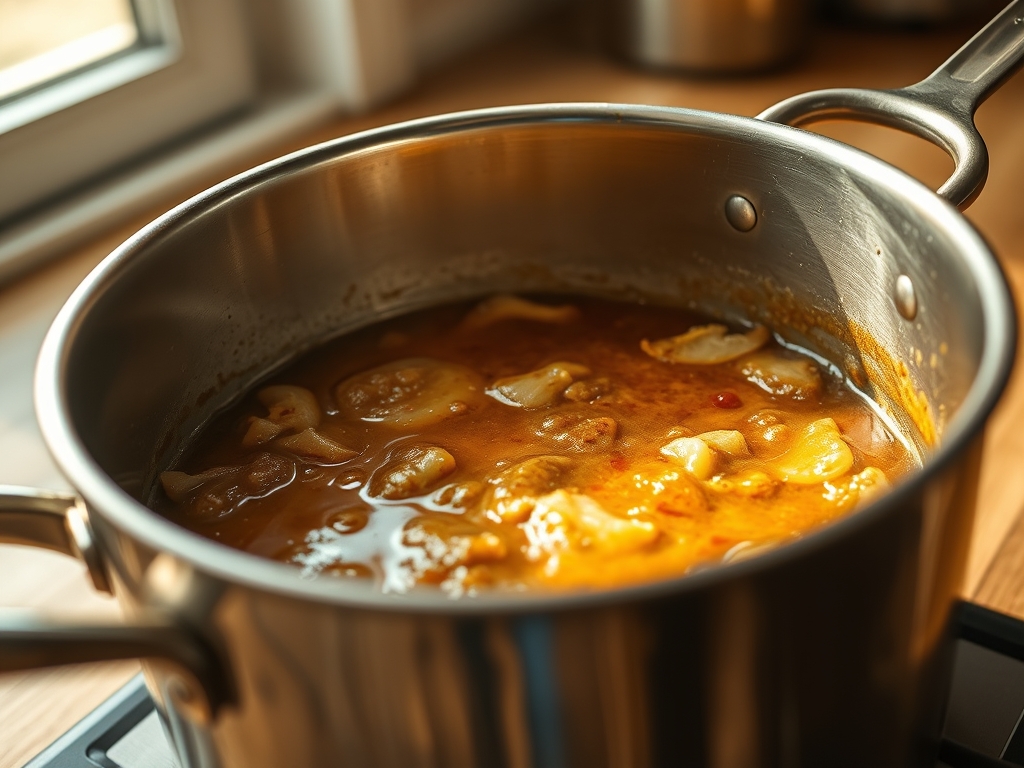
Place your saucier over medium heat and add the olive oil. Once the oil begins to shimmer, add the pepitas and smoked paprika. Stir constantly with a heat-resistant spatula to ensure the spices do not scorch. You are looking for the seeds to slightly swell and the oil to turn a deep, vibrant crimson.
Pro Tip: This process uses the fat to render the fat-soluble compounds in the paprika, intensifying the flavor profile through a process called blooming. Using a digital scale to measure your spices ensures consistent potency across every shift.
Step 2: Curd Conditioning and Aeration
While the seeds toast, transfer the cottage cheese into a stainless steel mixing bowl. Use a whisk to vigorously stir the curds for 45 seconds. This is not about breaking the curds, but about introducing micro-bubbles into the cream dressing to lighten the overall density.
Pro Tip: Aeration changes the surface area of the dairy, allowing the seasonings to coat the curds more effectively. Professional chefs use this technique to transform "heavy" ingredients into lighter, more palatable components.
Step 3: The Infusion Layering
Fold the lemon zest and half of the minced chives into the dairy base. The citric acid in the zest will cut through the richness of the milk fat, providing a piquant counterpoint that keeps the palate engaged.
Pro Tip: Use a microplane or fine zester to ensure the lemon peel is pulverized. Large chunks of zest create "flavor spikes" that disrupt the balance of the dish; uniformity is the hallmark of professional infrastructure.
Step 4: Final Assembly and Glaze
Plate the conditioned cottage cheese into shallow bowls. Pour the hot paprika-infused pepitas directly over the center. The thermal contrast between the cold dairy and the hot oil creates a dynamic sensory experience. Finish with the remaining chives and a drizzle of honey if you require a glucose spike.
Pro Tip: Use a bench scraper to cleanly transfer any leftover herbs from your cutting board. This minimizes waste and ensures that every milligram of flavor makes it into the final build.
Section B: Prep & Timing Fault-Lines:
The most common failure in Cottage Cheese Night execution is poor temperature management. If the pepitas are added while they are screaming hot, they will cause the cottage cheese to "break," turning the creamy dressing into a thin liquid. Allow the oil to cool for 60 seconds before pouring. Conversely, prepping this too far in advance leads to soggy seeds. The crunch of the pepita is a structural requirement; add them only when you are ready to consume the meal. If your timing is off, keep the components separate until the exact moment of deployment.
THE VISUAL SPECTRUM
Section C: Thermal & Visual Troubleshooting:
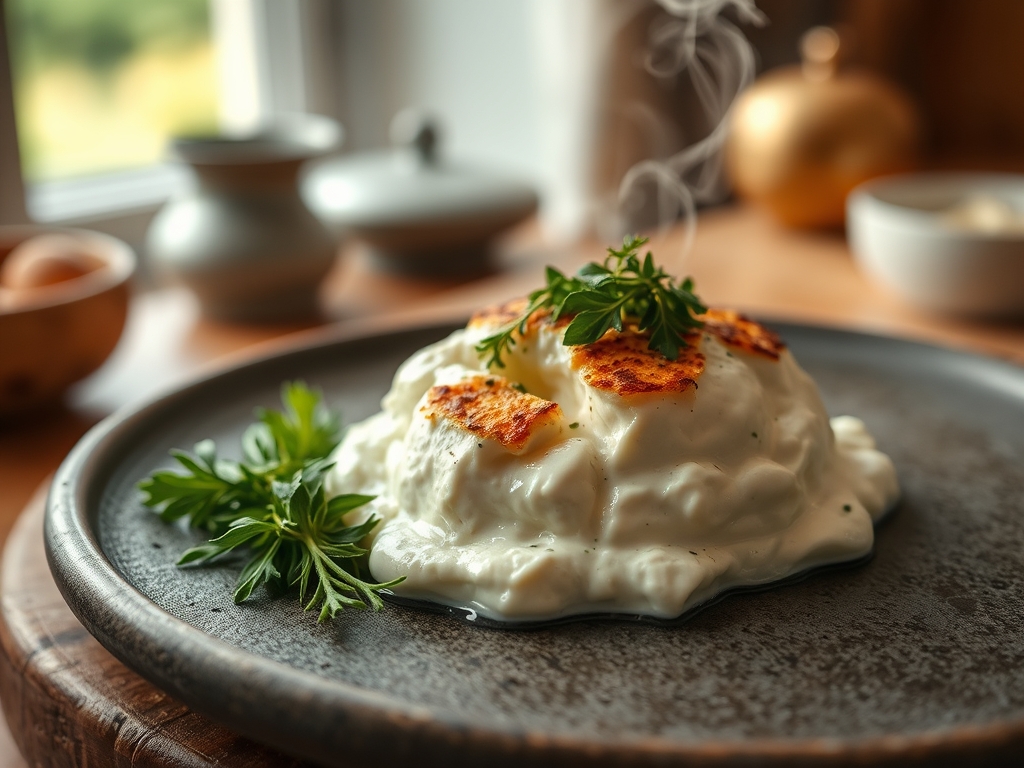
Look at the Masterclass photo above. Notice the "oil bleed" where the paprika-tinted oil creates a marbled effect against the white curds. If your dish looks dull or monochromatic, you have likely under-bloomed your spices. The oil should be a vivid orange-red. If the curds look flat and heavy, you skipped the aeration step. A successful build shows distinct, glistening curds held in a light, creamy suspension. If the pepitas appear black rather than dark green/brown, they have carbonized. Discard and restart; carbonization introduces a bitter alkaline taste that ruins the delicate dairy profile.
THE DEEP DIVE
Macro Nutrition Profile:
A single serving provides approximately 28g of protein, 12g of healthy fats, and 8g of carbohydrates. The primary protein is casein, which forms a gel in the stomach, slowing down digestion and providing a steady stream of amino acids for 6 to 8 hours. This makes it the ultimate "slow release" infrastructure for long shifts.
Dietary Swaps:
- Vegan: Substitute cottage cheese with a firm silken tofu crumbled and mixed with unsweetened almond yogurt and a pinch of black salt (kala namak) for an eggy, dairy-like sulfur profile.
- Keto: Eliminate the honey and increase the pepitas or add crushed walnuts to boost the fat-to-carb ratio.
- GF: This protocol is naturally gluten-free; just ensure your smoked paprika is not bulked with flour-based anti-caking agents.
Meal Prep & Reheating Science:
Cottage cheese does not tolerate heat well; the proteins will denature and tighten, resulting in a rubbery mess. Never microwave this dish. To meal prep, store the conditioned cheese and the toasted pepita oil in separate airtight containers. The oil can stay at room temperature for 48 hours, while the cheese must remain at 4 degrees Celsius.
THE KITCHEN TABLE
Why is my cottage cheese so watery?
This is syneresis, where the protein network collapses and leaks moisture. Simply stir it back in or add a spoonful of Greek yogurt to tighten the emulsion and restore the viscous texture before serving.
Can I use fat-free cottage cheese?
You can, but you shouldn't. Fat is essential for the absorption of the vitamins in the lemon zest and paprika. Furthermore, fat-free versions often use gums and thickeners that disrupt the clean, slow-release amino profile we are targeting.
What if I don't have pepitas?
Substitute with slivered almonds or sunflower seeds. The goal is a lipid-rich crunch to contrast the soft curds. Ensure you toast them until they render their internal oils for maximum flavor impact.
How long does the amino release actually last?
Casein protein can provide a steady nitrogen balance for up to 7 hours. This makes Cottage Cheese Night the ideal strategic meal for the midpoint of a 12-hour graveyard shift to prevent muscle catabolism.