Stop treating your mid afternoon snack like a frantic afterthought and start treating it like a structural engineering project. We are moving beyond the realm of haphazardly sliced fruit and into the high stakes world of Pectin Lipid Interaction. When you bite into the crisp, aqueous cell walls of a premium apple and marry them to the dense, viscous fats of roasted nut butter, you aren't just eating; you are stabilizing your glycemic index through culinary architecture. The Apple and Nut Butter combination is the gold standard for sustained energy because it balances rapid fructose delivery with a slow-release lipid anchor. We want that piquant snap of the skin to yield to a creamy, emulsified coating that clings to the palate. This is about more than flavor; it is about the physics of satiety. We are auditing your pantry to ensure every component provides maximum biological ROI. If your current snack leaves you crashing in sixty minutes, your infrastructure is failing. Let us rebuild it with precision, intent, and a heavy dose of technical rigor.
THE DATA MATRIX
| Metric | Specification |
|---|---|
| Prep Time | 6 Minutes |
| Execution Time | 4 Minutes |
| Yield | 1 Serving |
| Complexity (1-10) | 2 |
| Estimated Cost per Serving | $1.85 |
THE GATHERS
Ingredient Protocol:
- 1 large Honeycrisp or Granny Smith apple (approx. 200g / 7oz)
- 2 tablespoons almond or peanut butter (32g / 1.1oz)
- 1/2 teaspoon ground Ceylon cinnamon (1.3g / 0.04oz)
- 1 teaspoon hemp hearts or chia seeds (5g / 0.17oz)
- 1 pinch flaky sea salt (0.5g / 0.01oz)
- 5ml / 1 teaspoon lemon juice (to prevent enzymatic browning)
Section A: Ingredient Quality Audit:
The primary failure point in this assembly is the separation of oils in natural nut butters. If your jar has a layer of liquid fat on top and a dry, chalky sediment at the bottom, your emulsion is broken. To fix this, do not just stir with a spoon; use a handheld milk frother or a small whisk to aerate the butter until it reaches a uniform, viscous consistency. If your apples lack that signature snap, they are likely suffering from starch degradation. Revive them by submerging sliced segments in an ice water bath with a 2 percent salt concentration for three minutes. This osmotic shock tightens the cell walls and enhances the piquant contrast against the fatty nut butter. Avoid "No-Stir" nut butters containing palm oil; these waxes coat the tongue and dull the flavor profile of the fruit.
THE MASTERCLASS
Step 1: The Precision Mandoline Extraction
Utilize a stainless steel mandoline or a sharp chef knife to slice the apple into uniform 5mm rounds. Removing the core with a circular punch ensures a consistent surface area for topping distribution. Immediately toss the slices in a small stainless steel bowl with the lemon juice to inhibit polyphenol oxidase.
Pro Tip: Use a digital scale to weigh your apple slices. Consistency in thickness ensures that the ratio of fruit acid to nut fat remains balanced in every bite, preventing one element from overwhelming the sensory experience.
Step 2: Tempering the Lipid Base
Transfer your nut butter into a small ceramic saucier or glass bowl. If the butter is too stiff to spread, microwave it for exactly ten seconds or place the bowl over a warm water bath. You want the butter to be pliable enough to flow but thick enough to hold its shape once applied to the cold fruit.
Pro Tip: Warming the nut butter helps to infuse the fat with the volatile oils of the cinnamon. This creates a more complex aromatic profile that hits the olfactory sensors before the first bite.
Step 3: The Geometric Application
Lay your apple rounds on a clean parchment sheet. Use a small offset spatula or a bench scraper to apply a leveled layer of nut butter to each disc. Start from the center and work outward to ensure the edges remain clean for handling.
Pro Tip: Professional plating requires a "rim" of visible fruit. This provides a tactile grip point and ensures the initial flavor on the tongue is the bright acidity of the apple before the heavy lipids take over.
Step 4: Textural Fortification
Dust the hemp hearts and sea salt over the wet nut butter from a height of twelve inches. This ensures an even distribution of the "crunch" factor, which acts as a secondary structural layer to the snack.
Pro Tip: The sea salt is not just for flavor; it functions as a chemical bridge that reduces the perception of bitterness in the nut skins while amplifying the natural sugars in the apple.
Section B: Prep & Timing Fault-Lines:
Temperature control is your biggest variable. If you apply warm nut butter to apples that are straight from a 34 degree Fahrenheit refrigerator, the fats will seize instantly, creating a waxy mouthfeel. Aim for an apple temperature of roughly 50 degrees Fahrenheit. If you are prepping this for a commute, do not pre-slice. The mechanical breakdown of the cell walls leads to rapid moisture loss, turning your crisp snack into a soggy mess within two hours. Always store the nut butter in a separate airtight container and assemble on-site to maintain the integrity of the pectin.
THE VISUAL SPECTRUM
Section C: Thermal & Visual Troubleshooting:
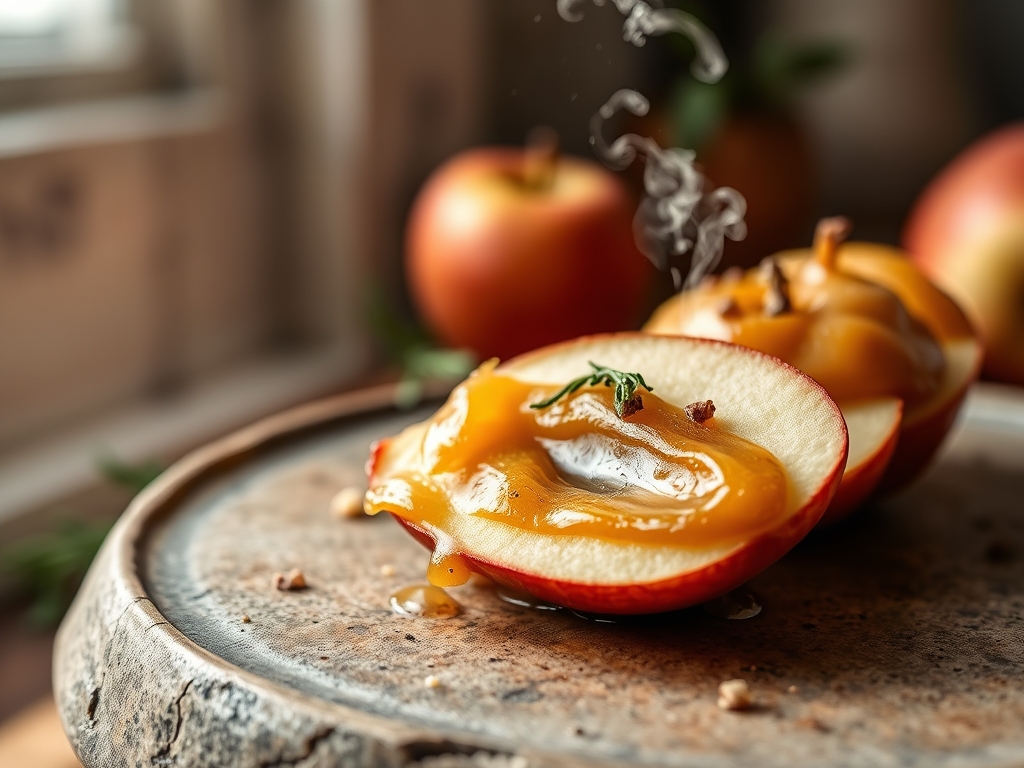
Referencing the Masterclass photo, look for the "Glistening Threshold." The nut butter should have a slight sheen without appearing oily. If the surface looks matte or cracked, the butter is dehydrated; whisk in 1/2 teaspoon of neutral oil to restore the luster. If your apple slices appear translucent or grey, they have oxidized; this cannot be reversed, only prevented with a more aggressive acid dip. The cinnamon should appear as distinct micro-specks rather than a muddy brown wash. If the colors look dull, increase the lighting in your prep area to ensure you are seeing the true vibrancy of the fruit skin, which should pop against the earthy tones of the butter.
THE DEEP DIVE
Macro Nutrition Profile:
A standard serving provides approximately 280 calories, 18g of healthy fats, 24g of carbohydrates (with 7g of fiber), and 8g of protein. This 3:1 carb-to-protein ratio is ideal for post-workout recovery or mid-afternoon cognitive maintenance.
Dietary Swaps:
- Vegan: Already compliant. Ensure the nut butter is processed without honey.
- Keto: Swap the apple for celery stalks or cucumber rounds to reduce net carbs while maintaining the lipid delivery system.
- GF: Naturally gluten-free; however, audit your nut butter labels for "shared equipment" warnings if cross-contamination is a medical concern.
Meal Prep & Reheating Science:
Never reheat this dish. The application of heat to a fresh apple destroys the pectin structure, resulting in a mushy texture. For meal prep, store whole apples and use a small condiment container for the nut butter. If the butter hardens in the fridge, the friction from a thirty-second vigorous stir will usually render enough heat to soften the fats without needing a microwave.
THE KITCHEN TABLE
Why does my nut butter always slide off the apple?
The apple surface is too wet. Use a lint-free kitchen towel to pat each slice dry before applying the butter. The lipids cannot bond to a layer of surface moisture.
Can I use dehydrated apple chips instead?
You can, but you lose the hydration benefits. Fresh apples are 86 percent water; using dried fruit increases caloric density and removes the structural "snap" that defines this snack.
Which apple variety is technically superior?
The Honeycrisp offers the best cell-wall structure for slicing. Its large cells rupture easily, releasing juice that cuts through the viscous nature of almond butter perfectly.
How do I stop the nut butter from sticking to the roof of my mouth?
Increase the salt content or add a drizzle of honey. These ingredients stimulate saliva production, which helps break down the lipid film more efficiently during mastication.