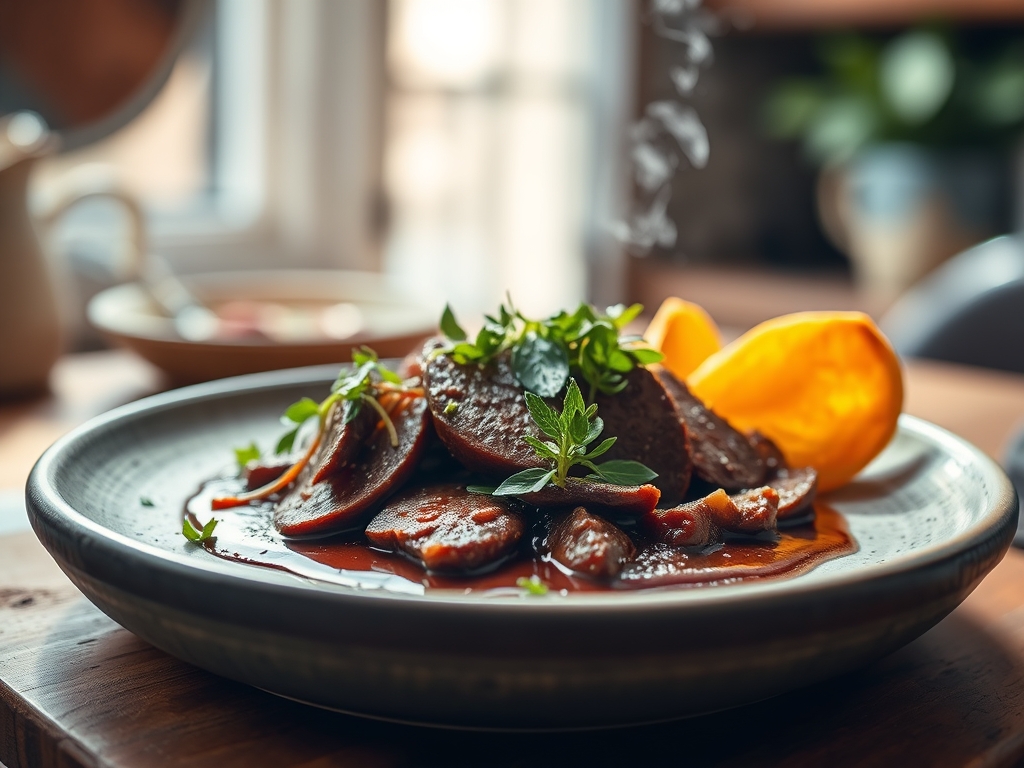
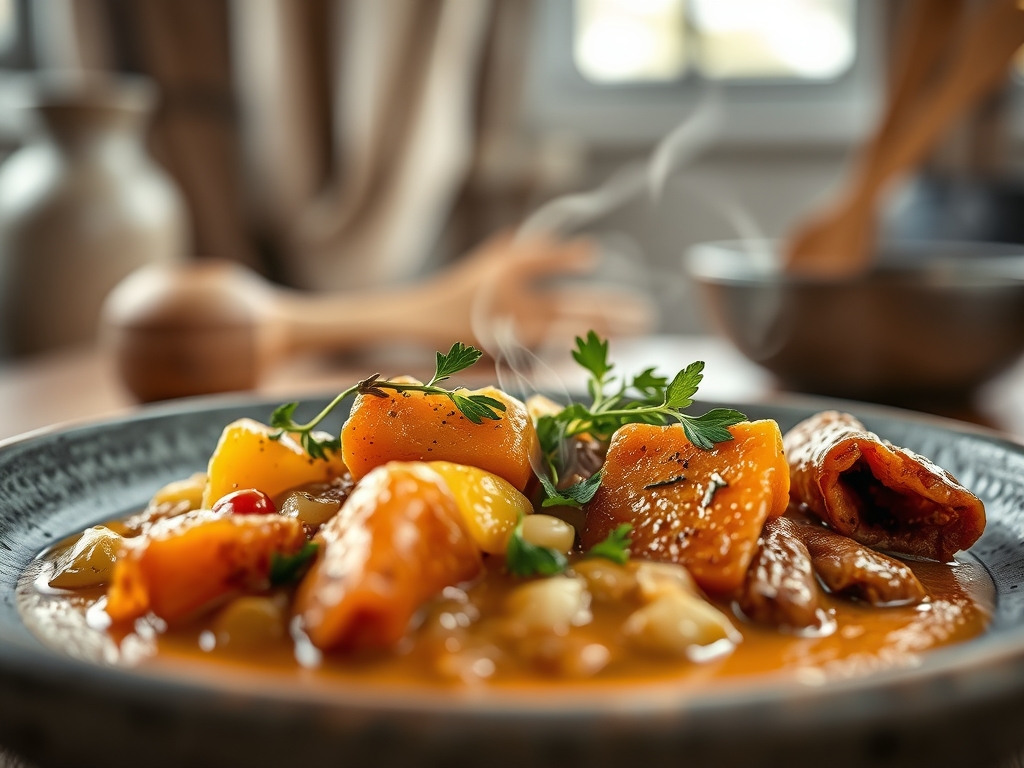
Listen up, culinary architects. We are not just tossing scraps into a bucket; we are engineering a high-performance fuel cell designed to survive the rigors of the wilderness. When you are miles from a polished granite countertop, the margin for error evaporates. This is where the physics of Campsite Stew Ratios becomes your primary survival metric. We are looking for a specific equilibrium between lipid-driven satiety and hydration-focused viscosity. A sloppy ratio leads to a thin, pathetic broth that leaves your metabolic rate crashing by midnight. Conversely, an over-thickened sludge scorches the bottom of your Dutch oven, ruining your hardware and your evening. We aim for a 3:2:1 ratio of structural proteins, complex carbohydrates, and aromatic aromatics, all suspended in a liquid medium that has been perfectly emulsified. Every gram of fat must be accounted for. Every milligram of sodium must be calibrated to drive cellular hydration. This is the technical infrastructure of a one pot masterpiece, built to withstand the elements and satisfy the primal demand for caloric density.
THE DATA MATRIX
| Metric | Specification |
|---|---|
| Prep Time | 25 Minutes |
| Execution Time | 90 Minutes |
| Yield | 6 Servings |
| Complexity (1-10) | 4 |
| Estimated Cost per Serving | $3.75 |
THE GATHERS
Ingredient Protocol:
- 900g / 2 lbs Beef Chuck (cubed into 2cm uniform blocks)
- 450g / 1 lb Yukon Gold Potatoes (starchy structural base)
- 300g / 3 medium Carrots (peeled and biased-cut)
- 250g / 2 large Yellow Onions (diced for sweetness)
- 45ml / 3 tbsp Tomato Paste (umami concentrate)
- 750ml / 3 cups Bone Broth (collagen-rich liquid)
- 30ml / 2 tbsp Avocado Oil (high smoke point lipid)
- 15g / 1 tbsp Kosher Salt (electrolyte balance)
- 5g / 1 tsp Cracked Black Pepper (piquant finish)
- 3 cloves Garlic (minced for aromatic depth)
Section A: Ingredient Quality Audit:
If your beef chuck lacks the necessary intramuscular fat, do not panic. Sub-par lean cuts will turn into shoe leather without intervention. You must render additional fat, such as bacon lardons or tallow, to provide the necessary lubrication for the muscle fibers. If your potatoes are "waxy" rather than "starchy," they will not break down enough to naturally thicken the stew. The technical fix is to grate one-quarter of a potato directly into the pot; the released starch granules will infuse the liquid and create a viscous mouthfeel without requiring a flour-based roux. Finally, if your aromatics are wilted, a 10-minute ice water bath will re-hydrated the cellular walls through osmotic pressure, restoring their structural integrity before they hit the heat.
THE MASTERCLASS
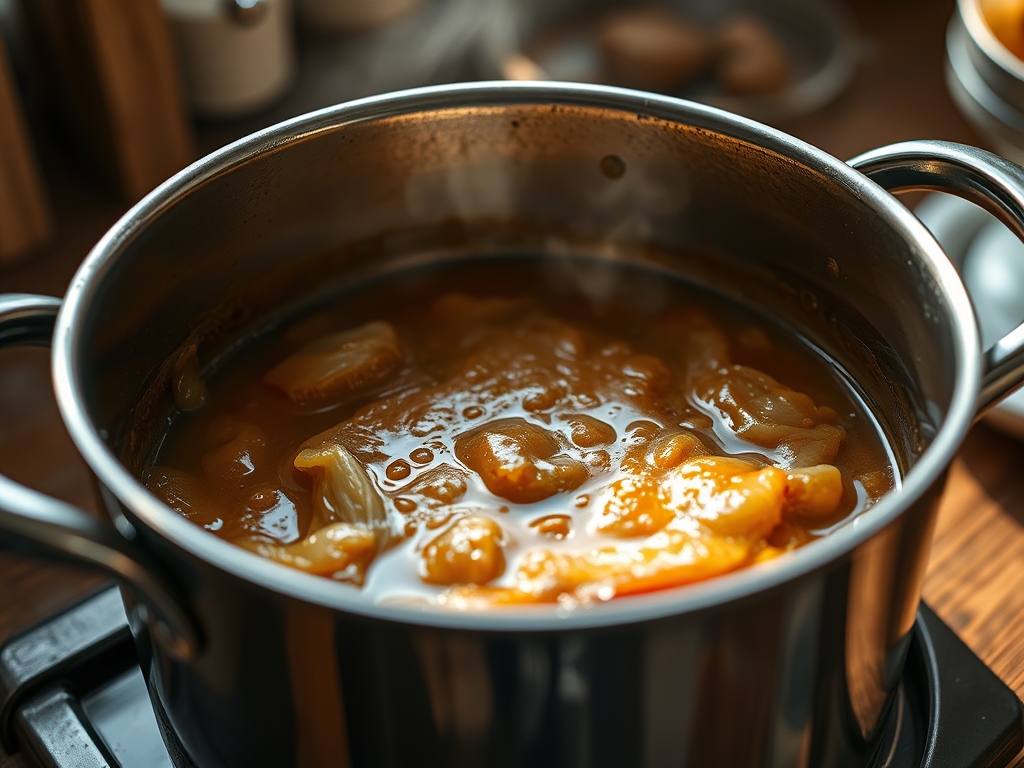
1. The Maillard Initiation
Pat the beef dry using lint-free towels to ensure zero surface moisture. Set your heavy-bottomed Dutch oven over high heat and add the oil. Sear the beef in batches to avoid crowding the vessel, which would drop the temperature and cause the meat to steam rather than brown.
Pro Tip: Use a digital scale to ensure your protein portions are uniform. This ensures that the Maillard reaction occurs evenly across all surfaces, creating the complex flavor compounds necessary for a deep, savory profile.
2. Aromatic Foundation
Remove the meat and add the onions and carrots. Use a bench scraper to clear your cutting board efficiently, ensuring every scrap of vegetable enters the pot. Sauté until the onions are translucent and the edges of the carrots begin to caramelize.
Pro Tip: The Maillard reaction is not just for meat. Sugars in the vegetables undergo pyrolysis at high temperatures, which adds a layer of sweetness that balances the salt. Use a wooden spatula to scrape the "fond" (browned bits) from the bottom.
3. Deglazing and Emulsification
Add the tomato paste and garlic, stirring constantly for 60 seconds to "toast" the paste. Pour in 100ml of the broth to deglaze the pot. This process releases the concentrated flavor trapped on the bottom of the vessel back into the liquid phase.
Pro Tip: A professional saucier would tell you that this is the most critical stage for color. If the liquid remains pale, you haven't toasted your tomato paste long enough to reach the dark, brick-red stage of caramelization.
4. The Long Simmer
Return the beef to the pot along with the potatoes and the remaining broth. Bring to a boil, then immediately reduce to a whisper of a simmer. Cover with a tight-fitting lid to maintain a constant thermal environment.
Pro Tip: Use a digital probe thermometer to monitor the ambient temperature of the liquid. You want to maintain a steady 90 degrees Celsius (195 degrees Fahrenheit) to slowly break down the tough collagen in the beef into silky gelatin.
5. Final Viscosity Check
Remove the lid for the final 15 minutes of cooking. This allows for slight evaporation, concentrating the flavors and tightening the sauce. Taste for seasoning and add a splash of vinegar or lemon juice if the profile feels "flat" or overly heavy.
Pro Tip: Acidity acts as a chemical "brightener." It doesn't just add sourness; it cuts through the heavy lipids and allows the piquant notes of the pepper and garlic to resonate on the palate.
Section B: Prep & Timing Fault-Lines:
The most common human error in stew construction is "The Boil." If you allow the stew to reach a rolling boil for extended periods, the muscle fibers in the meat will contract violently, squeezing out all moisture and leaving the beef dry and stringy. Temperature control is your primary lever for success. If you find your timing is off and the vegetables are softening faster than the meat, remove the vegetables with a slotted spoon and set them aside. Continue to simmer the beef until it reaches the desired "fork-tender" state, then reintegrate the vegetables for the final five minutes of heating. This prevents the dreaded "veggie mush" syndrome.
THE VISUAL SPECTRUM
Section C: Thermal & Visual Troubleshooting:
Referencing the Masterclass photo above, notice the deep mahogany hue of the broth. If your stew looks like dishwater, you failed to properly deglaze the fond or under-toasted your tomato paste. Solution: Simmer a tablespoon of Worcestershire sauce or a teaspoon of instant coffee into the mix to artificially deepen the color and umami profile. If the potatoes look jagged and broken, you likely stirred the pot too aggressively. Stew is a gentle process; use a folding motion rather than a frantic stir. Dull colors can be corrected at the finish with a handful of fresh parsley or chives, which provide a visual contrast against the dark, rich tones of the stew.
THE DEEP DIVE
Macro Nutrition Profile
Each serving provides approximately 450 calories, with 35g of protein, 22g of fats, and 28g of complex carbohydrates. This profile is optimized for sustained energy release rather than a quick glucose spike. The high gelatin content from the bone broth supports joint health, which is vital for high-altitude trekking or heavy campsite labor.
Dietary Swaps
- Vegan: Replace beef with 500g of King Oyster mushrooms and use a mushroom-based "no-beef" broth. Swap the oil for vegan butter to maintain the lipid profile.
- Keto: Eliminate the potatoes and carrots. Substitute with cauliflower florets and radishes (which lose their bite and mimic potatoes when stewed).
- GF: This recipe is naturally gluten-free as we rely on potato starch for thickening rather than a flour-based roux.
Meal Prep & Reheating Science
Stew is molecularly superior on day two. As the mixture cools, the flavors continue to infuse and the starch network stabilizes. When reheating, do not use a microwave, as it creates localized "hot spots" that can break the emulsion. Instead, reheat slowly on a stovetop, adding 30ml of water or broth to loosen the proteins without scorching.
THE KITCHEN TABLE
Why is my beef still tough after an hour?
You likely haven't reached the "collagen climax." Beef chuck requires consistent heat to transform tough connective tissue into gelatin. Give it another 30 minutes at a low simmer; patience is a technical requirement for this cut.
Can I use a slow cooker instead?
Yes, but you must still perform the Maillard initiation in a pan first. Slow cookers cannot reach the temperatures required for browning. Without that initial sear, your stew will lack the necessary depth and color.
The stew is too salty. How do I fix it?
Add a peeled, halved potato and simmer for 15 minutes. The potato acts as a sponge for excess sodium. Alternatively, add a teaspoon of sugar and a splash of apple cider vinegar to balance the salt through flavor opposition.
What is the best way to store leftovers?
Transfer the stew to an airtight glass container within two hours of cooking. Glass is non-reactive and won't absorb the piquant aromas of the garlic and onions. It will stay shelf-stable in the refrigerator for up to four days.