Imagine the logistical nightmare of a liquid-heavy protein delivery system failing in a high-stakes environment. You are in the field; the wind is biting; and you need a caloric payload that provides both thermal stability and structural integrity. Standard soups are too volatile. They slosh; they splash; they lack the structural backbone required for a truly mobile feast. This is where the Portable Chili Audit begins. We are not just making dinner; we are engineering a high-density, nutrient-dense substrate designed for maximum portability and flavor retention. We require a stew that maintains its viscosity through temperature fluctuations and transport vibration. We are looking for that perfect ratio of rendered bovine lipids to piquant capsaicin heat. Every gram of particulate must be accounted for in this architectural marvel of culinary engineering. If your current chili lacks the tectonic plate-like stability of a well-reduced sauce, you are failing the mission. Prepare to overhaul your inventory and recalibrate your expectations for what a portable meat stew can achieve when subjected to rigorous infrastructure standards.
THE DATA MATRIX
| Metric | Specification |
|---|---|
| Prep Time | 30 Minutes |
| Execution Time | 150 Minutes |
| Yield | 8 Servings |
| Complexity (1-10) | 4 |
| Estimated Cost per Serving | $3.25 |
THE GATHERS
Ingredient Protocol:
- 1 kg / 2.2 lbs Chuck Roast, hand-cubed to 1cm uniform squares.
- 500g / 1.1 lbs Ground Beef (80/20 lean-to-fat ratio).
- 45ml / 3 tbsp Neutral Oil (High smoke point).
- 2 large Yellow Onions, finely diced.
- 6 cloves Garlic, microplaned.
- 75g / 0.5 cup Chili Powder Blend (Ancho, Guajillo, and Chipotle).
- 15g / 1 tbsp Cumin Seeds, toasted and ground.
- 800g / 28 oz Crushed Tomatoes.
- 500ml / 2 cups Beef Bone Broth (High gelatin content).
- 30ml / 2 tbsp Worcestershire Sauce.
- 15g / 1 tbsp Dark Cocoa Powder.
- To taste: Kosher Salt and Black Pepper.
Section A: Ingredient Quality Audit:
The primary failure point in many stews is the moisture-to-protein ratio. If your beef arrives sitting in a pool of myoglobin, it will steam rather than sear. Use a bench scraper to move your protein efficiently and pat it dry with lint-free towels before it touches the heat. If your spices lack a vibrant, pungent aroma, they have oxidized. To fix this, bloom them in hot oil for 60 seconds to release fat-soluble volatile compounds. Sub-par broth can be rescued by whisking in a teaspoon of unflavored gelatin; this ensures the sauce remains viscous and clings to the meat rather than separating during transport.
THE MASTERCLASS
1. The Maillard Initiation
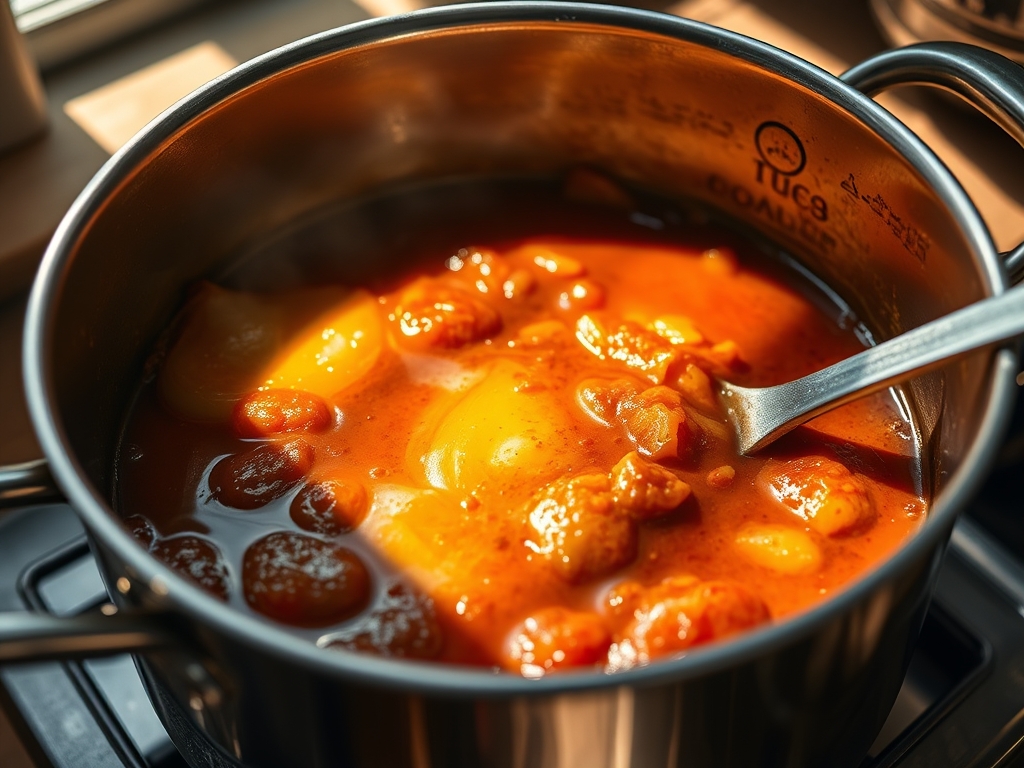
Begin by heating your heavy-bottomed saucier or Dutch oven over high heat. Add the oil and sear the cubed chuck in small batches. You are looking for a deep, mahogany crust on all sides. This is not just for color; it creates complex flavor molecules that are the foundation of the stew.
Pro Tip: Do not crowd the pan. Overcrowding drops the surface temperature, causing the meat to release water and boil. A digital scale ensures your batches are uniform in weight for even searing.
2. Rendering and Aromatics
Remove the beef and add the ground protein. Render the fat until the meat is crispy and granular. Use your bench scraper to clear any stuck bits from the bottom. Add the onions and garlic, cooking until translucent and fragrant.
Pro Tip: The fat acts as a heat transfer medium. If the pan looks dry, add a splash more oil to ensure the aromatics aerate and soften without scorching.
3. The Spice Infusion
Add your chili blend, cumin, and cocoa powder directly into the fat. Stir constantly for 90 seconds. The heat will infuse the oil with the essential oils from the spices, deepening the color and flavor profile significantly.
Pro Tip: Cocoa powder adds an earthy depth and polyphenols that mimic the complexity of a long-aged mole sauce; it provides a "bass note" to the high-pitched heat of the peppers.
4. Deglaze and Hydrate
Pour in the bone broth and Worcestershire sauce. Use a sturdy spoon to deglaze the bottom of the pot, scraping up every bit of the "fond" (the browned bits). Add the crushed tomatoes and return the seared beef to the vessel.
Pro Tip: Use a digital thermometer to ensure your liquid is at least 90C before lowering the heat to a simmer. This jump-starts the collagen breakdown process in the chuck roast.
5. The Low-Slow Reduction
Cover and simmer on the lowest setting for two hours. The goal is a gentle bubble, not a rolling boil. In the final thirty minutes, remove the lid to allow excess moisture to evaporate, concentrating the flavors and thickening the texture.
Pro Tip: Check the consistency by coating the back of a spoon. If you can draw a line through the sauce and it holds, the viscous integrity is sufficient for high-portability standards.
Section B: Prep & Timing Fault-Lines:
The most common human error is rushing the render phase. If the fat is not fully integrated, it will form an oily slick on top of the chili as it cools. If you find yourself behind schedule, do not turn up the heat; instead, use a wider pot to increase the surface area for evaporation. If the chili is too thin at the 120-minute mark, a small slurry of cornmeal and water can provide an emergency structural fix without compromising the flavor profile.
THE VISUAL SPECTRUM
Section C: Thermal & Visual Troubleshooting:
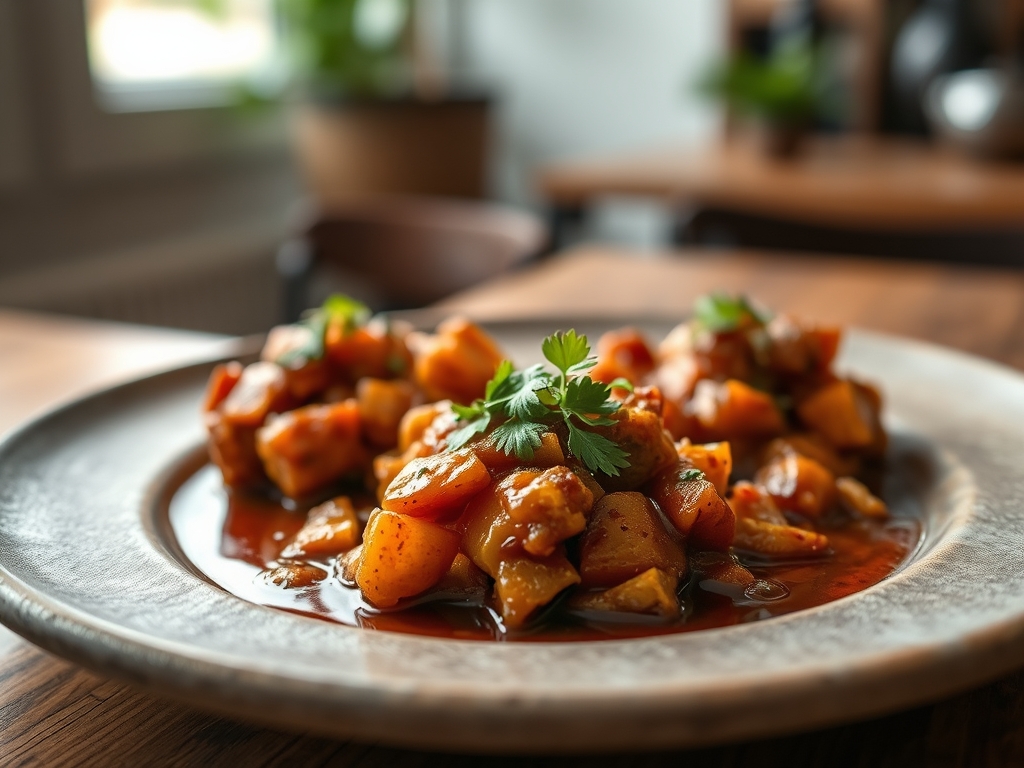
Referencing the Masterclass photo, your final product should exhibit a deep, brick-red hue rather than a bright orange. A bright orange color indicates under-cooked tomatoes or oxidized spices. If the texture looks "broken" or greasy, the emulsion has failed. To fix this, vigorously stir in a splash of cold broth to re-emulsify the fats. If the beef cubes look grey, your initial sear was insufficient. You can improve the visual appeal of a dull stew by adding a teaspoon of espresso powder, which darkens the liquid and adds a sophisticated matte finish to the sauce.
THE DEEP DIVE
Macro Nutrition Profile
Each serving provides approximately 450 calories, 35g of protein, 22g of fat, and 18g of carbohydrates. This is a balanced, high-density fuel source designed for sustained energy release. The high protein content supports muscle recovery, while the healthy fats provide long-lasting satiety.
Dietary Swaps
- Vegan: Replace beef with a combination of black beans, kidney beans, and crumbled tempeh. Use vegetable bouillon enriched with nutritional yeast for umami.
- Keto: Omit the beans (if using) and tomatoes; increase the beef content and use a small amount of tomato paste for color and flavor.
- GF: This recipe is naturally gluten-free; however, ensure your Worcestershire sauce and beef broth are certified.
Meal Prep & Reheating Science
To maintain the molecular structure during reheating, avoid the microwave if possible. Microwaves cause uneven heating that can "break" the sauce, leading to water separation. Reheat on a stovetop over medium-low heat, adding a tablespoon of water to replace what was lost during storage. This preserves the viscous nature of the chili and ensures the protein remains tender.
THE KITCHEN TABLE
How do I prevent the chili from becoming watery in a thermos?
The key is the final reduction. Ensure the sauce is thick enough to coat a spoon heavily before packing. The residual heat in a thermos will continue to soften the fibers, but it will not evaporate moisture.
Can I use a slow cooker for this audit?
Yes, but you must sear the meat and bloom the spices in a separate pan first. Slow cookers cannot reach the temperatures required for the Maillard reaction, which is essential for the structural flavor profile.
What is the best way to transport this for a hike?
Use a vacuum-insulated stainless steel container. Pre-heat the container with boiling water for five minutes before adding the piping hot chili. This ensures the internal temperature stays above the safety zone for hours.
My chili is too spicy; how do I neutralize it?
Do not add water. Add a small amount of acidity, such as lime juice or apple cider vinegar. The acid cuts through the capsaicin. Alternatively, a dollop of Greek yogurt or sour cream at the point of service will bind to the heat.